



The “Heisei Romance Exhibition” is now on at the Roppongi Museum! Dedicated to all the “lovers” who lived through the Heisei era.
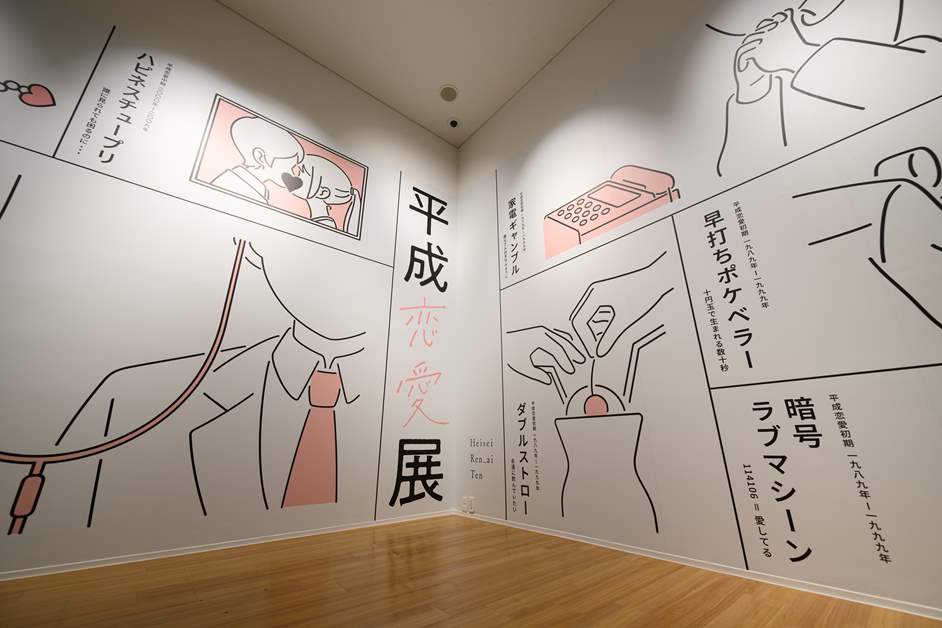
The Heisei era spanned from 1989 (Heisei 1) to 2019 (Heisei 31). It began in the wake of the bubble economy, and as pop culture flourished and the internet and cell phones emerged, people’s lives changed dramatically. The “Heisei Romance Exhibition,” which focuses on “romance” during the Heisei era, is currently on view at the Roppongi Museum. Visitors can relive the various forms of romance that unfolded over approximately 30 years through a vast collection of items and stories. We’ll take you on a tour of the “Heisei Romance Exhibition,” which runs from April 7 to June 28, 2026.
A Turning Point in History: The Story of the Heisei Era Begins at the Roppongi Museum
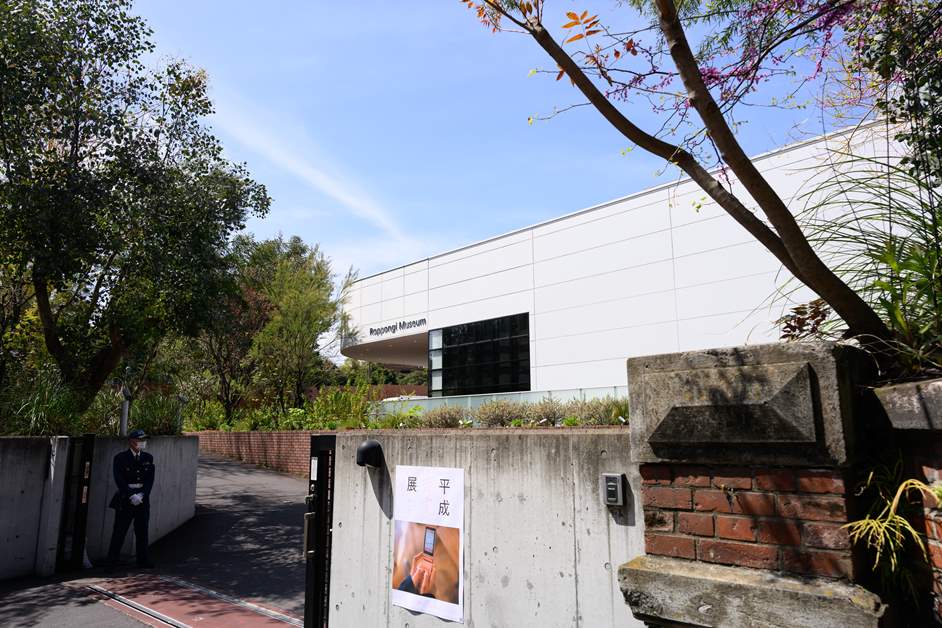
Located just a short distance from the hustle and bustle of Roppongi, the Roppongi Museum opened in January 2019 and adopted its current name in 2021. The museum, which opened in the year marking the end of the Heisei era and the beginning of the Reiwa era, is currently hosting the “Heisei Romance Exhibition.”
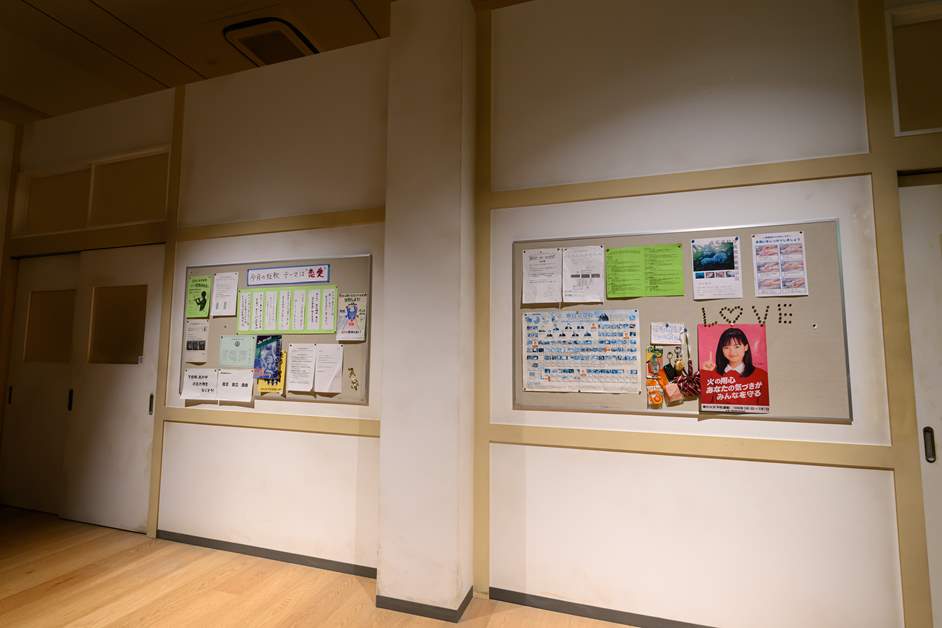
The exhibition begins in a school hallway. It’s enveloped in a unique atmosphere where you can almost hear the sound of indoor shoes and the school bell. Even the casual notices posted on the walls are all from that era. You could definitely feel the warmth of “someone” who lived through the Heisei era.
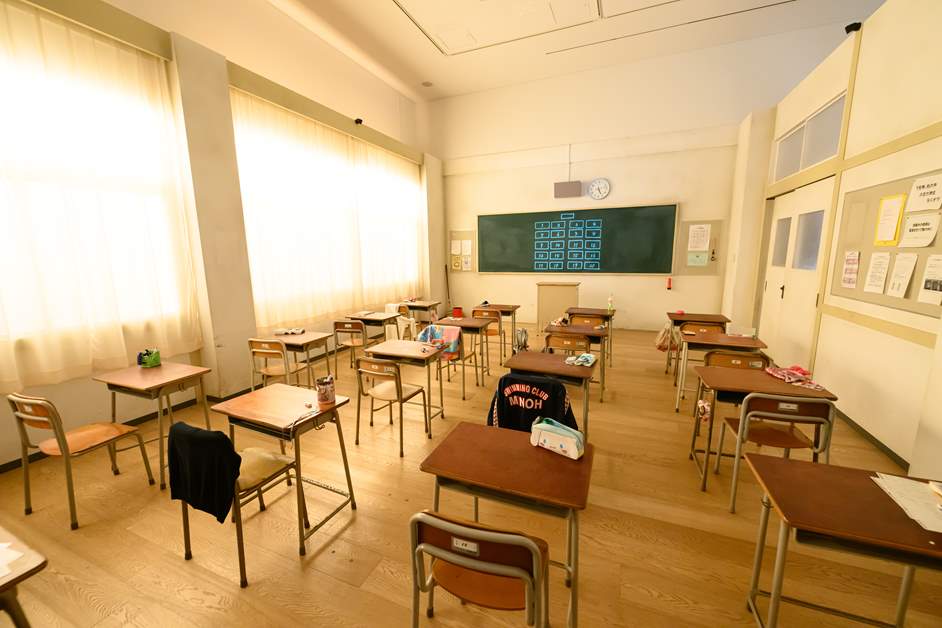
Next, we headed to a space that faithfully recreated a high school classroom from that era. Wooden desks and chairs, scratched tabletops, and a blackboard with a faint dusting of chalk powder. On the desks were pencil cases featuring characters popular at the time and other nostalgic stationery items. When you take a seat according to the number drawn from the lottery in the hallway, memories of those days come flooding back.
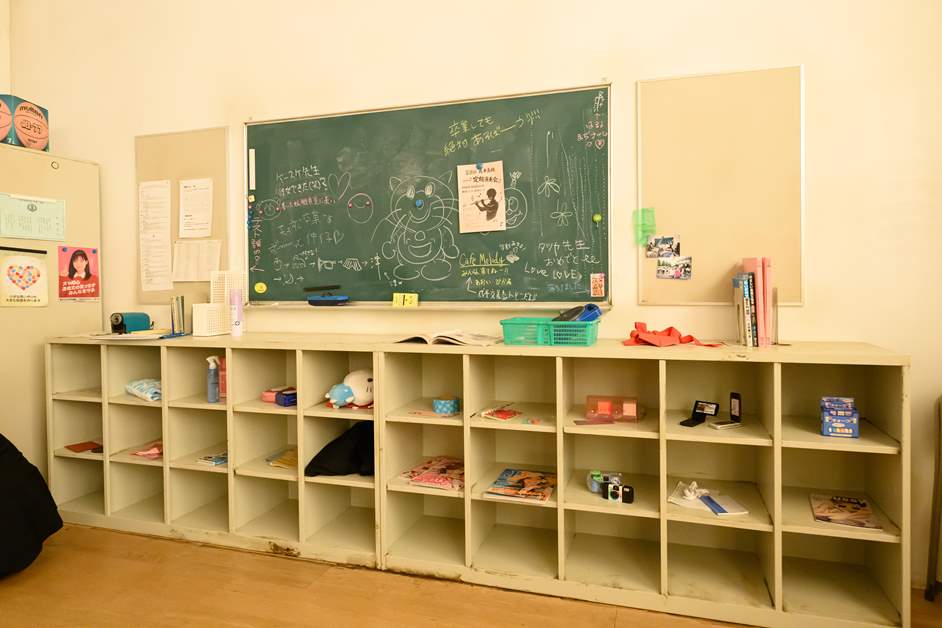
In a moment, the opening video for the “Heisei Romance Exhibition” will begin. Projected onto the blackboard-style monitor in front of you are items and cityscapes that symbolize the Heisei era. From here, you’ll embark on a journey tracing the history of romance over the past 30 years.
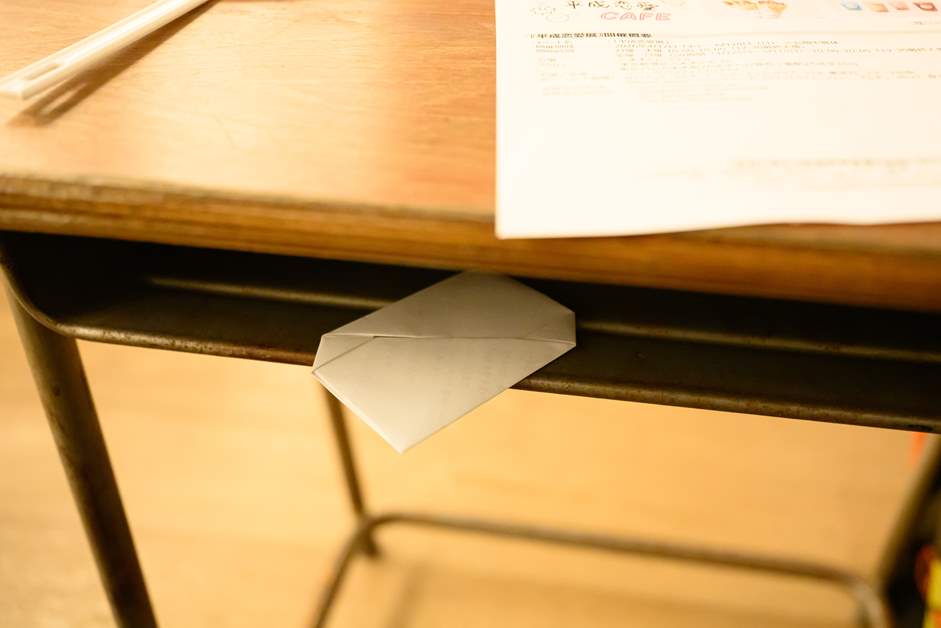
When I reached into the desk, I found a letter. Inside was one of those “pass-the-note” letters that female students used to exchange during class back then. This exhibition employs the much-discussed “mockumentary” style (a technique that portrays fictional events in a documentary-like manner). The characters’ stories unfold not only through these letters but also via cell phone screens, radio advice shows, shared diaries, and couples’ social media accounts.
Pure Love and Passion in the Early Heisei Era, Fostered by Limited Means of Communication
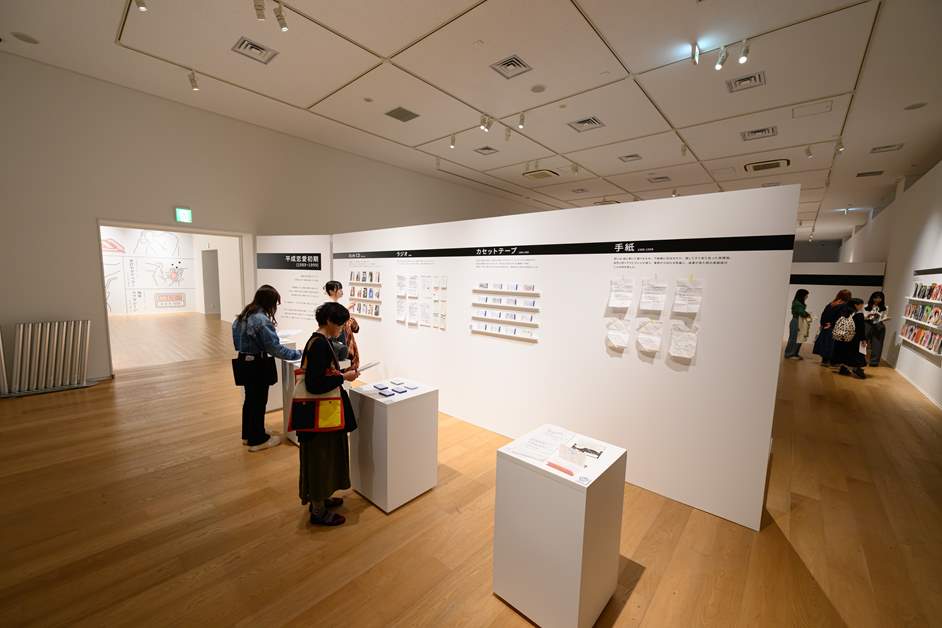
This exhibition divides the approximately 30 years of the Heisei era into three periods: “Early,” “Mid,” and “Late.” During “Early Heisei Romance (1989–1999),” it wasn’t possible to send messages anytime, anywhere as it is today. Perhaps that’s why the time spent thinking about one’s partner was longer and more profound. The exhibition area features 8-centimeter CDs, cassette tapes, postcards sent to radio shows, and letters—all of which colored the romances of that era.
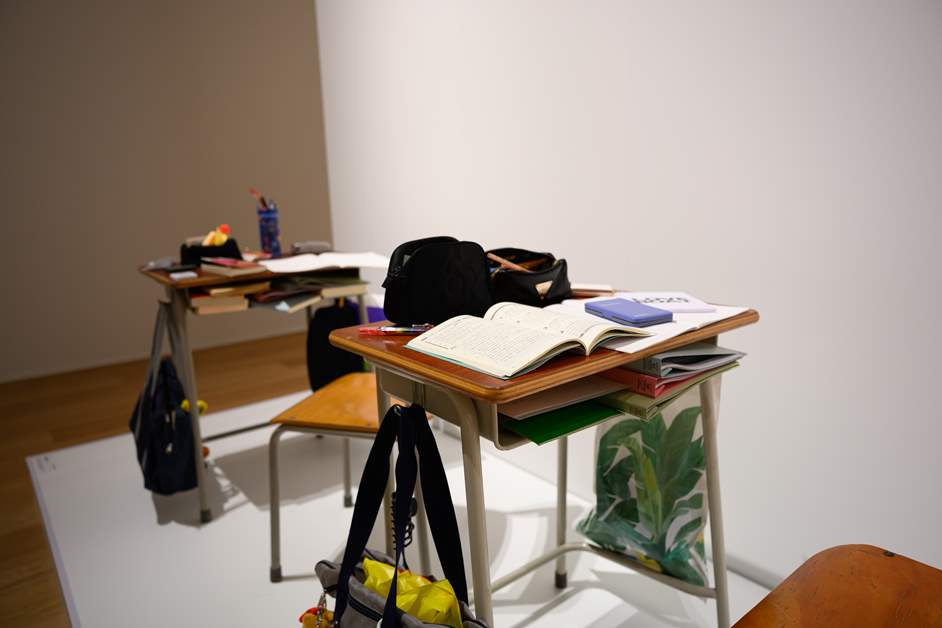
In one corner of the room stood two desks. I’m sure many of you felt your hearts race during casual conversations at recess or those moments when you secretly borrowed an eraser during class.
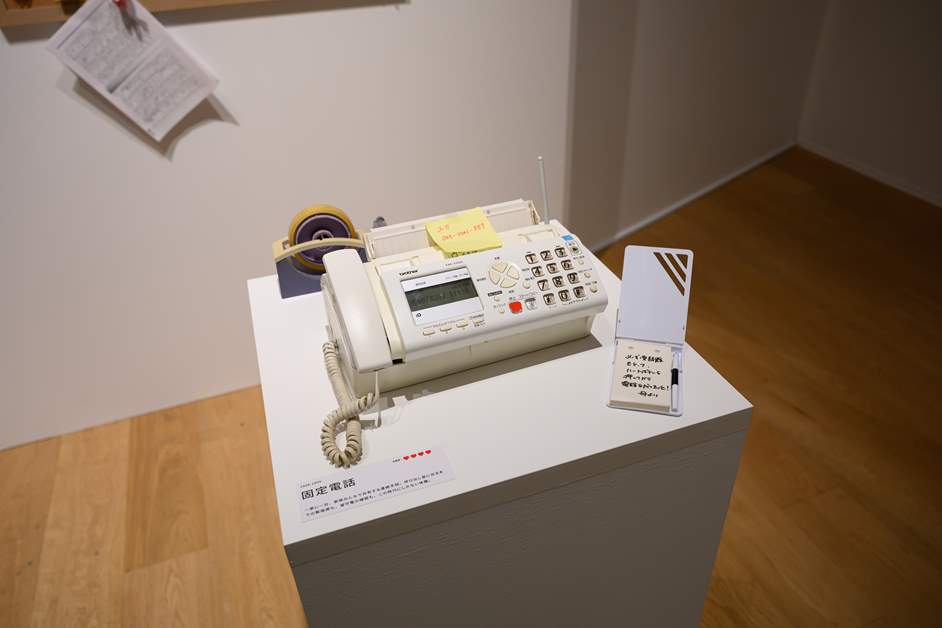
Before cell phones became widespread, the only way to contact friends or romantic partners directly was through a home landline. When calling someone you had a crush on, the biggest hurdle was “having their mom or dad answer the phone.” At the exhibition booth, you can actually pick up a push-button phone receiver and dial the number written on a note.
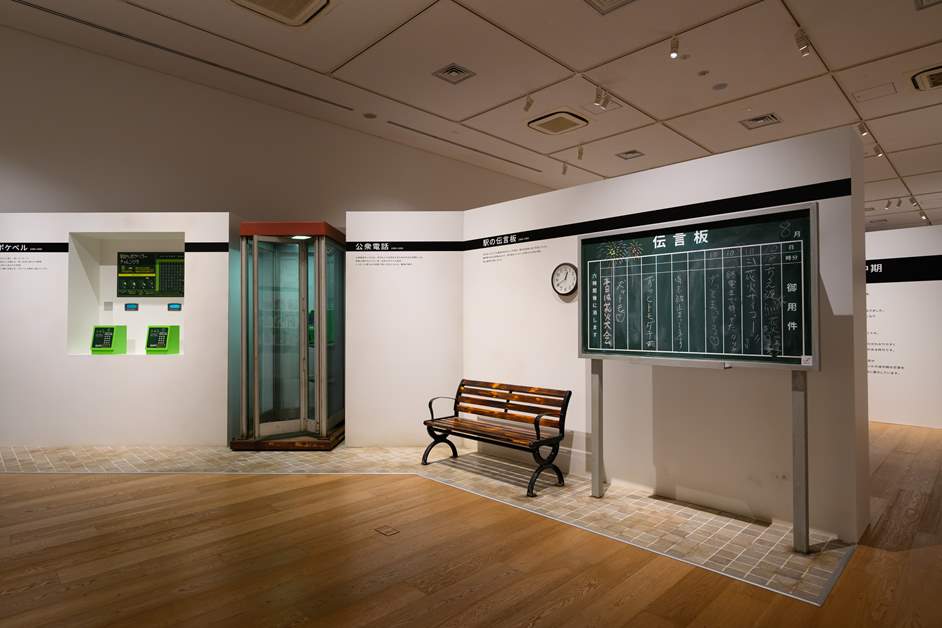
Back in the Heisei era, even making date plans was a hassle. We had to set the time and place exactly in advance.
To avoid missing each other at the meeting spot, we used the “message boards” located near the station ticket gates. We’d write messages in chalk—such as “I’m heading there first” or “I’ll be waiting at ◯◯”—to let each other know what was going on.
To avoid missing each other at the meeting spot, we used the “message boards” located near the station ticket gates. We’d write messages in chalk—such as “I’m heading there first” or “I’ll be waiting at ◯◯”—to let each other know what was going on.
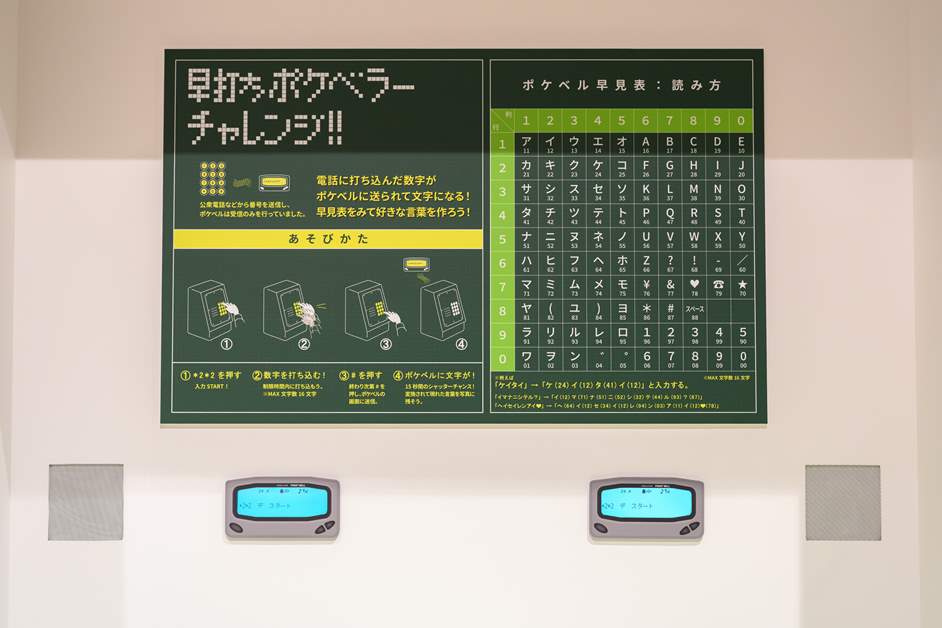
From the early to late 1990s, pager phones became a massive craze, especially among high school students. Since early models could only send numbers, a unique “pager code” developed. “0840 (Good morning),” “428 (Shibuya),” “14106 (I love you),” and “0510 (Where are you now?)”—the sight of young people lining up at pay phones and pressing the buttons was a common scene back then. Pager models later evolved to allow Katakana input via a two-touch system. At the exhibition booth, you can take on the “Fast-Typing Pager Challenge,” where you must enter numbers within a time limit.
With the shift to digital, the pace of romance also accelerated rapidly in the mid-Heisei era
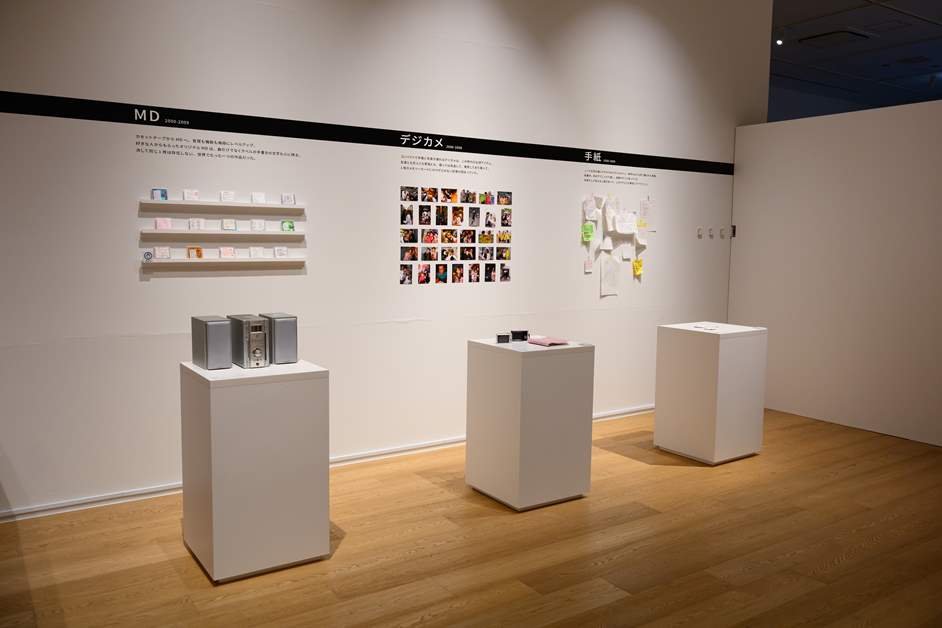
Fast forward to the 2000s. With the widespread adoption of digital devices, the landscape of romance underwent a major transformation. In the “Mid-Heisei Era Romance (2000–2009)” section, exhibits included MDs (MiniDiscs) and early digital cameras—items that symbolized the youth culture of that time.
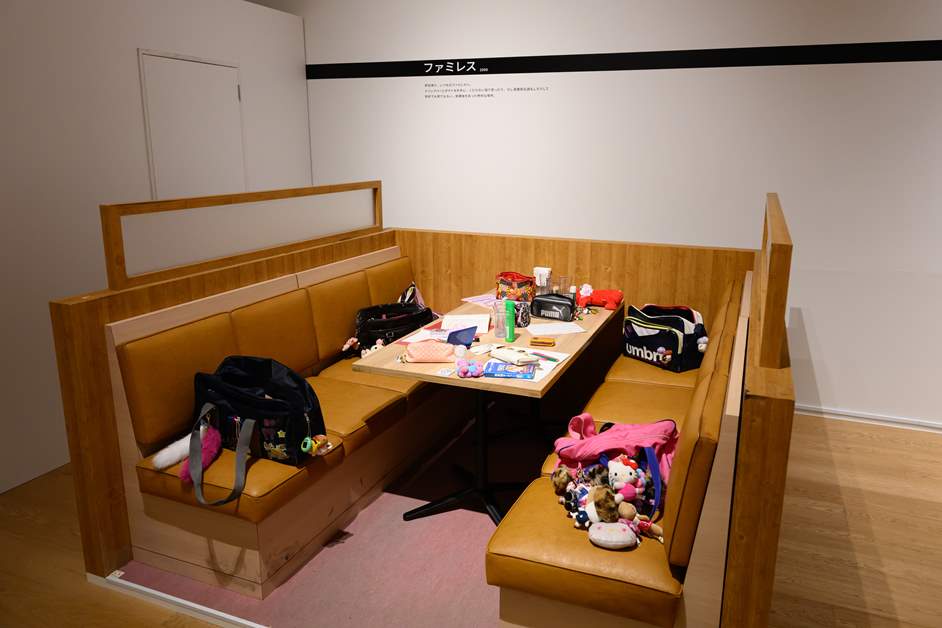
Back then, family restaurants were the go-to hangout spots for young people. We’d linger for hours over a drink bar and a plate of fries, talking all night about school, our futures, and—most of all—the people we liked. Here, the sofa seating from those family restaurants has been recreated.
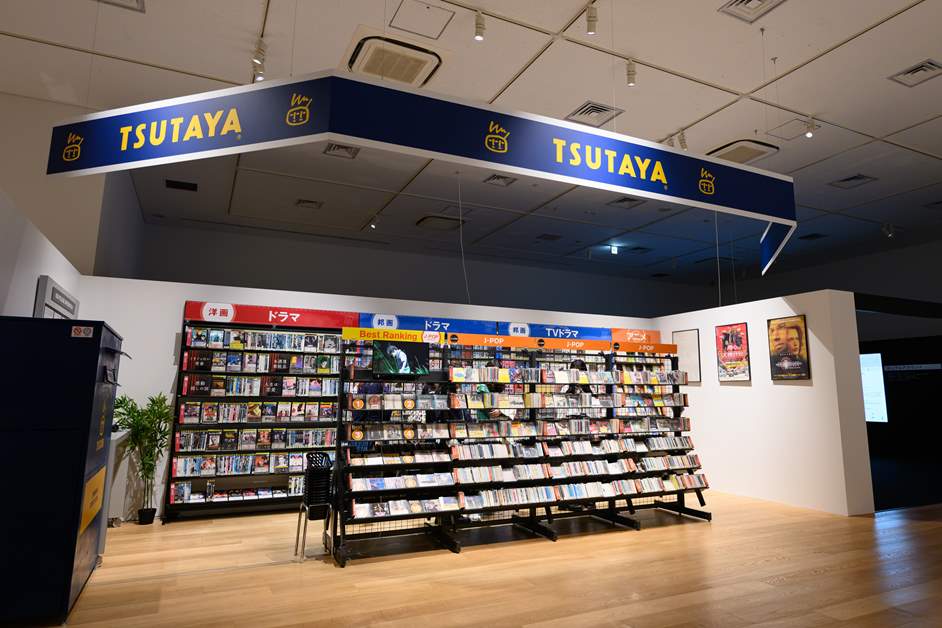
Rental shops like “TSUTAYA” were an indispensable part of Heisei-era entertainment. Just seeing the nostalgic J-POP CD covers and TV drama cases lined up in the display area brings back memories of that time. I’m sure many people remember checking every corner of the shelves.
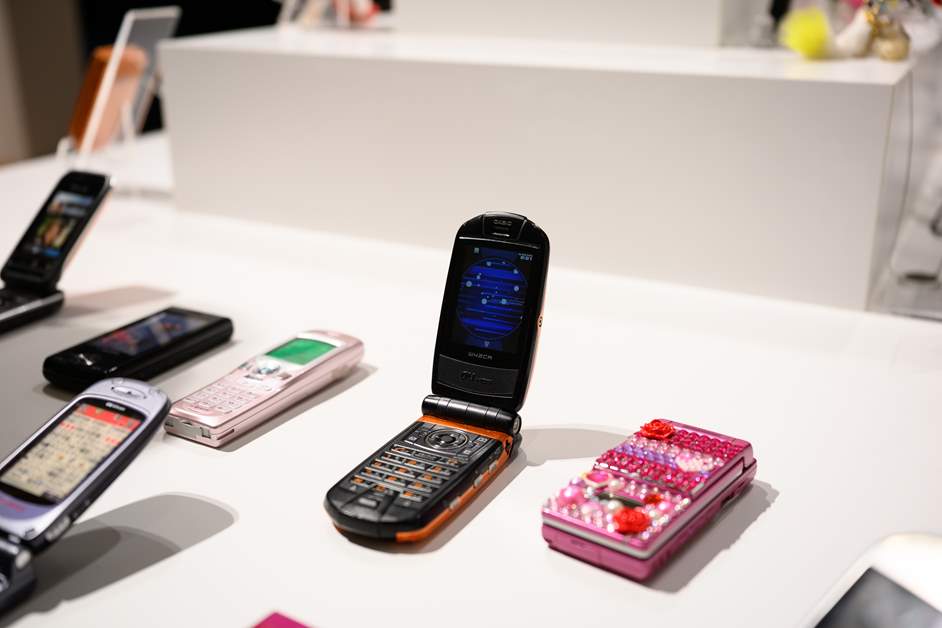
The star of the show in this area is, without a doubt, the “feature phone.” In the blink of an eye, cell phones became a must-have item for young people in the Heisei era. We created our own ringtones, made the antenna light up, and protected important messages. Those were the days when, even while fearing we’d run out of data, we’d stay up late exchanging messages. There was a unique sense of attachment—something smartphones just don’t have—to the satisfying “click-clack” of opening and closing the phone and the tactile sensation of tapping out text.
The “deco culture”—where people covered their flip phones and planners with rhinestones and stickers—was also one of the hallmarks of this era. It reflected the passion people poured into expressing their individuality and standing out from the crowd. The exhibition booth even featured a corner where visitors could write in a planner. Why not try writing down your thoughts from back then in that nostalgic “gal script”?
The Late Heisei Era: When Romance Became Visible Through Smartphones and Social Media
As the Heisei era drew to a close, “smartphones” finally made their debut. Social media then became an integral part of daily life. The “Late Heisei Romance (2010–2019)” section depicts an era in which romance shifted from being a “secret between just the two of us” to something “visible to others” through social media timelines.
Social media has made romance visible. While some people enjoyed posting about the wonderful moments they spent with their partners and gauging their happiness by the number of “likes,” others felt that, behind all the convenience, they had become overwhelmed by other people’s emotions and the sheer volume of information.
The highlight of the exhibition is the “Message Corner,” designed to resemble a notebook. Here, visitors can write down their memories of the Heisei era or things they can only say now.
Continuing After School at the Merchandise Shop & Café
The gift shop features a dazzling array of items, ranging from whimsical stationery from the early Heisei era to merchandise featuring popular characters of that time, and even items exclusive to this exhibition. It also offers a selection of unique goods, such as mini clear folders that recreate those flashy phone wallpapers and clear multi-purpose pouches featuring iconic features of feature phones.
There’s also a photo booth machine set up next to the shop. When it comes to classic Heisei-era fun, photo booths are definitely the go-to. If you take some photos there now with friends or your partner, you’ll be able to take home that same sense of excitement you felt back then.
The exhibition also features the “Everyone’s! Heisei Romance Exhibition CAFE.” It offers a lineup of items that seem to bring back conversations from that era, such as “family restaurant fries that make you say, ‘We’re all eating, right? I’ll go ahead and order!’” and “crepes from that crepe shop where you’d say, ‘We’re definitely going to eat there after club practice today.’” An “Heisei Romance Exhibition Original Profile Book” is provided at each table, so you can jot down your own “embarrassing moments” and “golden days” while enjoying the conversation.
Throughout this exhibition, creative touches were incorporated in various places to allow visitors to actively experience “Heisei-era romance.” For adults who spent their youth during the Heisei era, it’s a place where they can reconnect with their younger selves from “back then,” while for young people of the Reiwa era—who have taken digital technology for granted since birth—it’s a space where “analog romance” should feel refreshingly new. Furthermore, if you explore every corner of the exhibition, you’ll discover the romantic outcomes of the characters whose stories have been chronicled in this mockumentary. Why not take a trip back in time to the Heisei era right here in Roppongi?