



I was moved by the artisans’ handiwork! The beauty of Japan I discovered at “Traditional Crafts Aoyama Square”
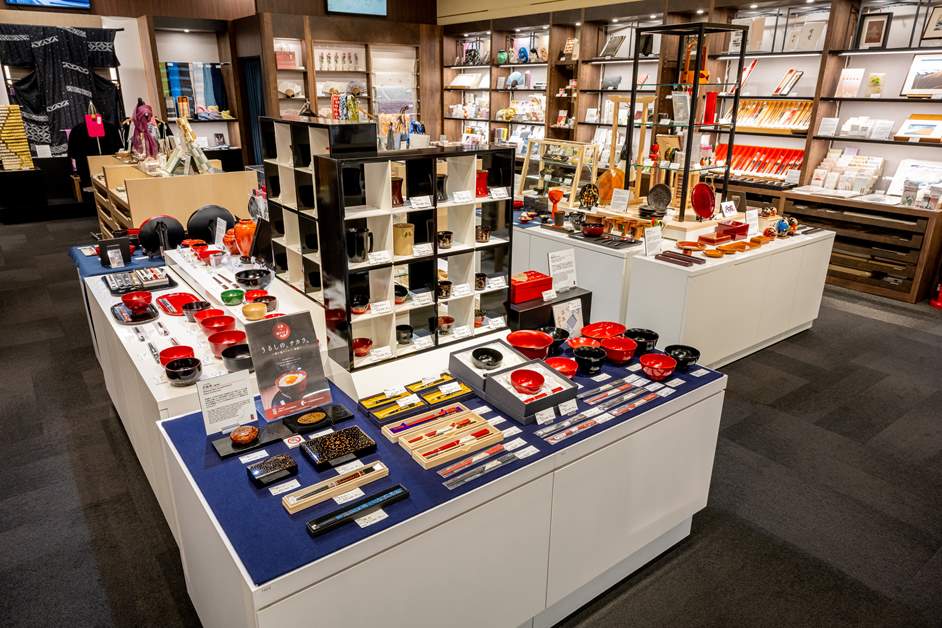
It’s a 3-minute walk from North Exit 4 of Aoyama-itchome Subway Station. Along Aoyama-dori Avenue, which stretches from Shibuya to Akasaka, there’s a special place where traditional crafts from all over Japan are gathered. “Traditional Crafts Aoyama Square” in Akasaka 8-chome, Minato Ward, is a gallery and shop that displays and sells traditional crafts—and admission is, of course, free. The moment you step inside, you’ll find yourself in a space brimming with “Japanese beauty.” We asked store manager Kazuhiko Asakawa to give us a tour of this facility, which feels like a museum where the passion and history of artisans are condensed.
What is the definition of “traditional crafts,” of which there are currently 243 categories?
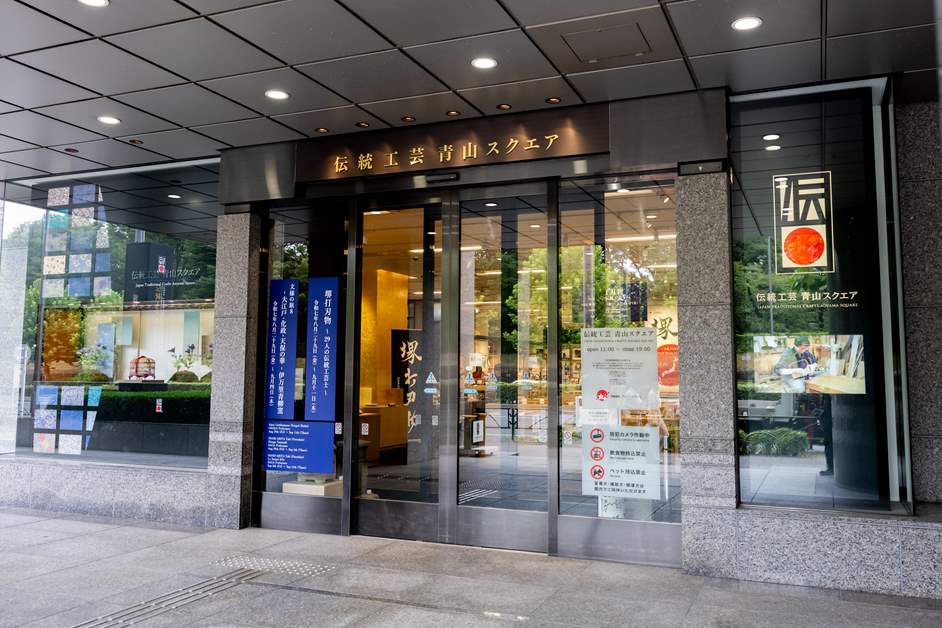
“Traditional Crafts Aoyama Square” is operated by the General Incorporated Foundation Association for the Promotion of Traditional Crafts. Its predecessor, the “National Center for Traditional Crafts,” was established in Showa 54 (1979) to promote the appeal of outstanding traditional crafts from across the country. In Heisei 24 (2012), it relocated to its current location in Aoyama. Aoyama is an area with a tranquil atmosphere, even though it is located in the heart of the city. Mr. Asakawa, who also serves as a standing director of the association, reveals the background of the relocation, saying, “I think one of the reasons for the move was the judgment that Aoyama, with its many cultural facilities, would be a good location for promoting Japan’s traditional crafts.”
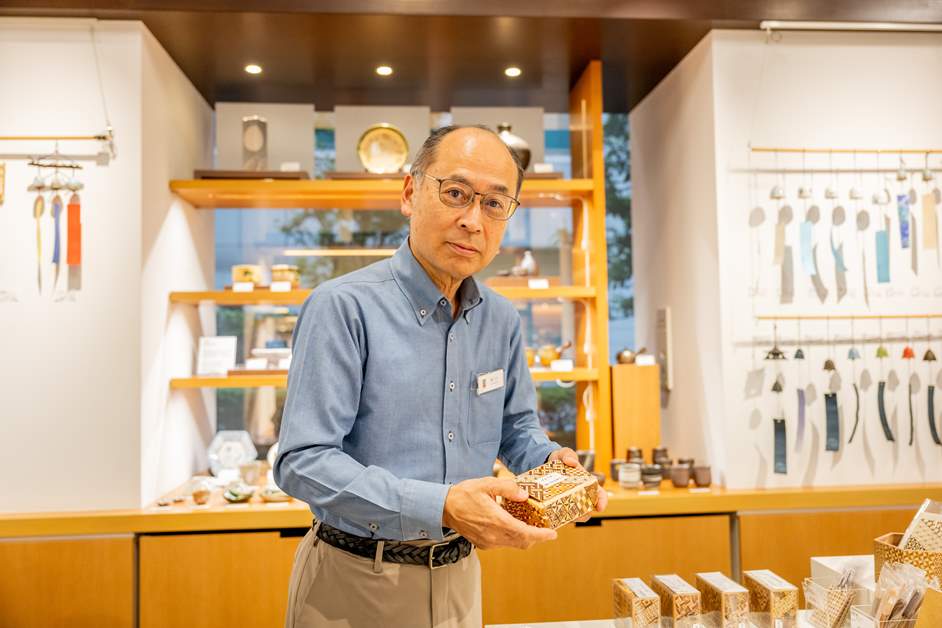
In addition to the permanent exhibition, the museum also hosts special exhibitions and a “Masters’ Corner,” where visitors can experience a variety of traditional crafts. Incidentally, “traditional crafts” refer to crafts designated by the Minister of Economy, Trade and Industry. The definition is established under the “Act on the Promotion of Traditional Craft Industries (Traditional Crafts Act),” and items must meet the following criteria: “primarily used in daily life,” “the main production processes are done by hand,” and “made using techniques and methods that have been in use for over 100 years.” “made from raw materials that have been in use for over 100 years,” and “produced in a region that maintains a certain scale of production.” Mr. Asakawa explains, “What’s important is that there are multiple artisans and that it functions as a viable industry. Therefore, most of the items on display here are not works of art that will gain value in the future, but rather everyday items that can be used in daily life.”
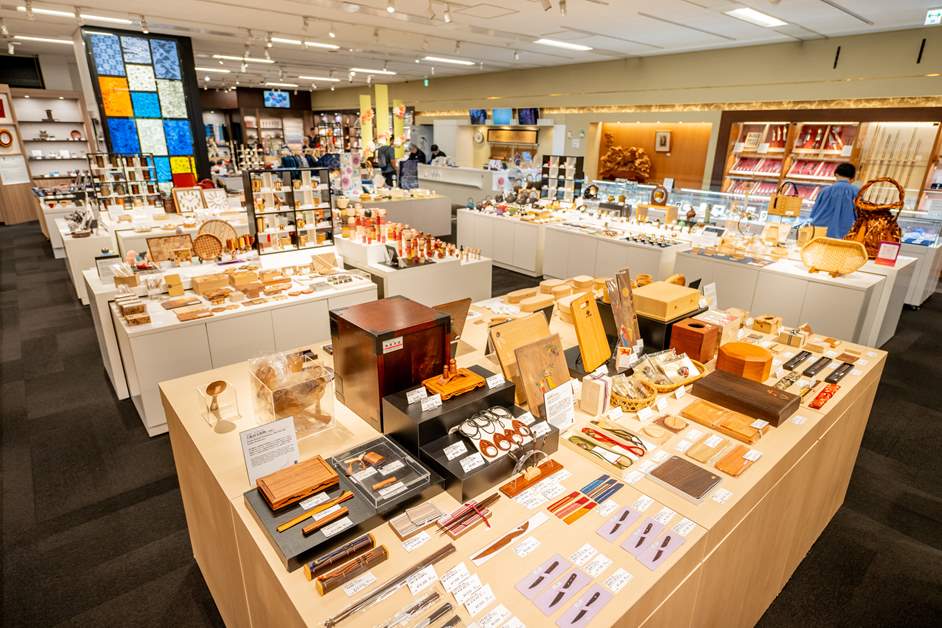
There are 243 types of traditional crafts designated by the Minister of Economy, Trade and Industry nationwide (as of October Reiwa 6), and “Traditional Crafts Aoyama Square” reportedly carries about 130 of these types, totaling approximately 4,000 items.
In the Artisan Corner, you can experience the skills of master craftsmen up close
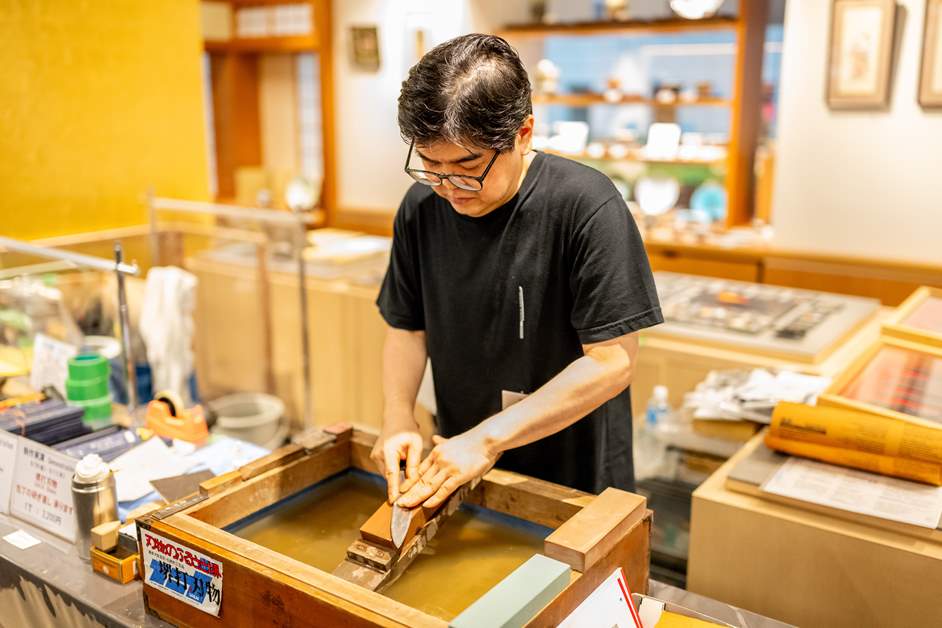
In the “Artisans’ Corner,” you can watch skilled craftsmen at work right before your eyes. At the time of our visit (early September Reiwa 7), Hideki Ino, a knife sharpener specializing in Sakai-style cutlery, was giving a demonstration of knife sharpening. He sharpened the knives using a progression of whetstones—starting with a coarse stone, moving to a medium stone, and finishing with a fine stone.
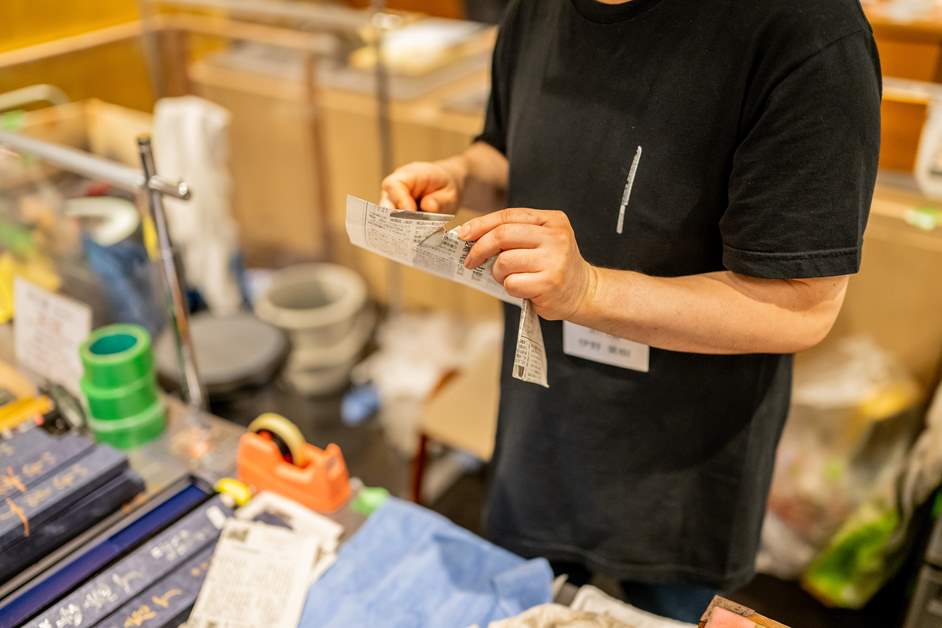
Once you’ve finished sharpening, make a test cut on a piece of newspaper so the customer can see the results clearly. The key, they say, is to guide the paper evenly from the base of the blade to the tip to confirm that the entire blade has been sharpened. A sharp blade makes all the difference in the taste of the food.
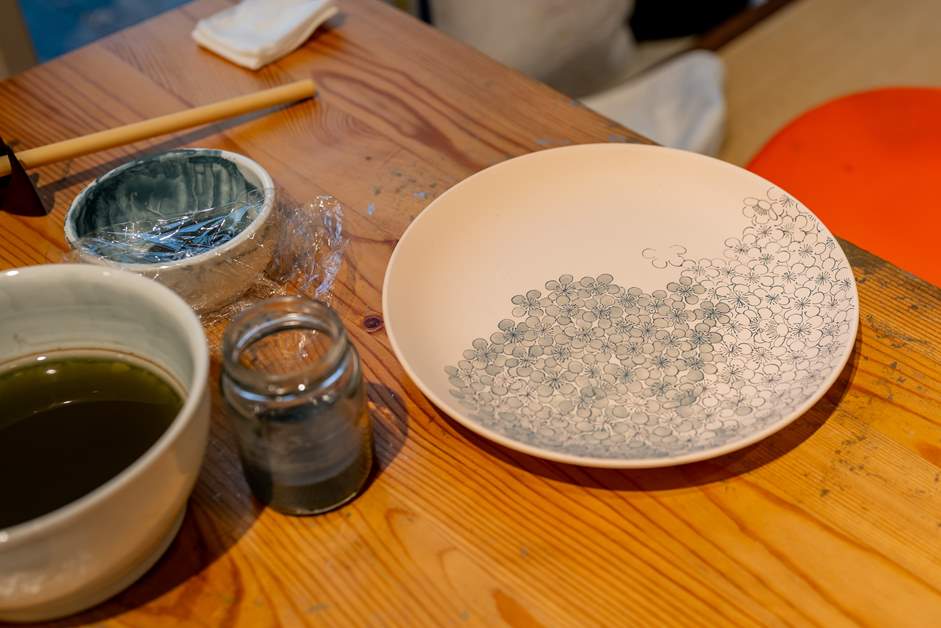
In addition, there will be a demonstration by Shingo Yamazaki, a potter specializing in Imari and Arita ware, showing how to apply underglaze designs to bisque-fired porcelain. You’ll be moved by the delicate artistry of this master craftsman. Among artisans, specialists who possess experience, skill, and knowledge are awarded the title of “Traditional Craftsman.” Currently, there are reportedly about 3,400 Traditional Craftsmen active throughout Japan (as of February Reiwa 6). “Traditional Crafts Aoyama Square” also serves as a venue where visitors can interact with artisans. “We hold about 70 events annually, including various live demonstrations, hands-on experiences, and workshops, so please check our official website,” says Mr. Asakawa.
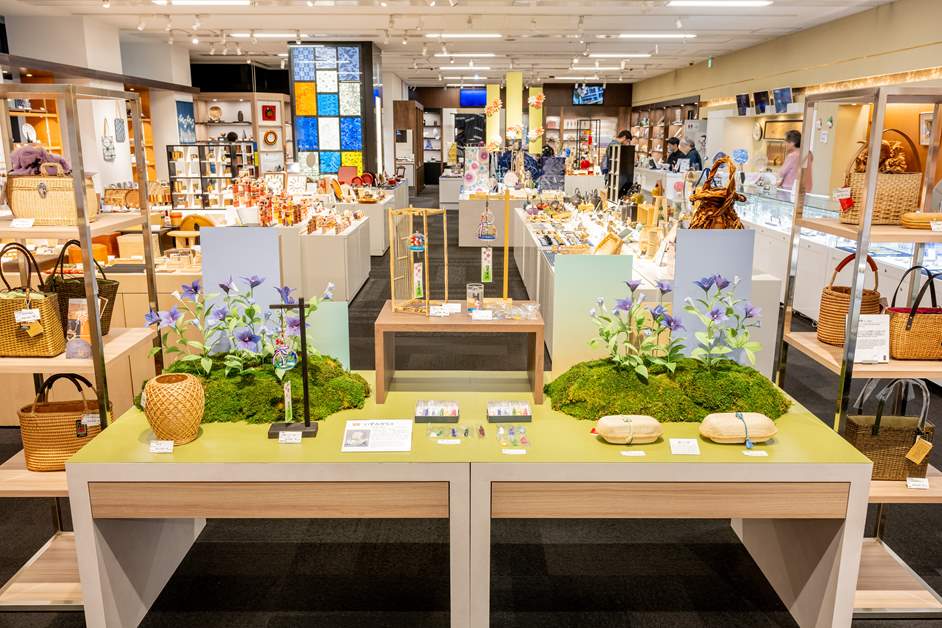
In front of the permanent exhibition, limited-time events reflecting the seasons are held nine times a year. At the time of our visit, items on display included Edo-style wind chimes, baskets made from Toyooka willow, and chopstick rests made from Izumi glass. Of course, all of these items are available for purchase.
A permanent exhibition featuring a wide array of traditional crafts from all over Japan
The permanent exhibition displays and sells traditional crafts organized by category. Miyagi traditional kokeshi dolls are made in various parts of Miyagi Prefecture, primarily in Sendai City, as well as in Osaki City (Naruko) and Matsushima Town.
Edo Kimekomi dolls, created by tucking fabric into the grooves of wooden figures, come in a wide variety and are a joy to look at. The maneki-neko (lucky cat) is particularly popular with international visitors. Partly due to the influx of international tourists, “Traditional Crafts Aoyama Square” reportedly sees 40 percent of its visitors coming from overseas. “Many of them come after being recommended by review sites in their home countries or by hotel concierges. Since we’re a facility that displays traditional crafts designated by the Minister of Economy, Trade and Industry, I think that gives them peace of mind when visiting,” says Mr. Asakawa.
Edo Kiriko—a craft in which patterns are carved into the surface of glass using metal discs and grinding stones—is another item that international visitors frequently purchase. The shop goes to great lengths to accommodate international customers, such as including English translations in product descriptions and providing English instruction manuals to buyers. “If requested, we provide gift wrapping or attach a noshi ribbon—we strive to offer traditional Japanese services to our international customers as well,” says Mr. Asakawa.
In recent years, Nanbu iron teapots have become particularly popular among visitors from China. Their history began in the early 17th century when the Nanbu Domain invited tea kettle craftsmen from Kyoto; today, they are produced in Morioka City and Oshu City in Iwate Prefecture.
What really stood out inside the store was the Inami-style dinosaur carving displayed next to the cash register. It’s a piece of wood called an “oni-ita,” traditionally used to decorate festival floats, and measures about 130 cm wide. This is sure to delight children. “Our Japanese customers are mainly seniors and families. Since schools sometimes have classes on traditional crafts and entrance exams include related questions, we’re seeing more parents and children visiting as part of their educational experience. During summer vacation, we held various workshops—such as painting and dyeing—so the store was bustling with children,” said Mr. Asakawa.
Kamo Paulownia Chests account for 70 percent of all paulownia chests nationwide. Made from domestically sourced paulownia wood and crafted using special techniques, these eco-friendly paulownia smartphone speakers require no batteries or power source. You can actually try them out by placing your smartphone inside. While continuing to create innovative products like this, we are committed to passing on the culture of traditional crafts to future generations.
Echizen lacquerware, renowned for its exquisite design, is not only used for its traditional purposes—such as tea sets and sake cups—but is also often purchased by international customers to display as interior décor in their homes.
Wajima-nuri bowls and chopsticks are perfect for everyday use. Ms. Asakawa says, “I think some people might feel a bit intimidated by the idea of traditional crafts, but I hope you’ll feel free to look at items like these bowls—for example—with the same casual attitude as when you pour your usual miso soup into a bowl. “Of course, some items are quite expensive, but if you have them repaired, they’ll last a lifetime. They’re made from natural materials, are lightweight, and fit comfortably in your hand. I think if you actually hold one in your hands, you’ll understand its value,” she says.
Awa Shōrai Shijira-ori is a type of textile from Tokushima City, Tokushima Prefecture. It is a traditional craft that evolved from “Tatae-ori,” a striped cotton fabric originally woven in the Awa region, which was refined during the Meiji era. Its surface features a fine, textured pattern, and it is characterized by a light, airy feel that prevents kimonos and other garments from clinging to the skin.
We also carry a wide selection of small items that make perfect gifts, such as drawstring pouches, coin purses, seal cases, and Japanese paper for postcards.
"Traditional Crafts Aoyama Square" does more than just display and sell traditional crafts—it also regularly hosts live demonstrations by artisans and workshops. The store’s greatest appeal is that visitors can see, touch, and feel the traditional techniques firsthand. As I walked through the store, listening to Mr. Asakawa’s explanations, I learned about the history of crafts I hadn’t known before and the thoughts of the artisans who created them. “We’re a specialty store—a rarity in Japan—that carries traditional crafts from all over the country. We hold events every single day of the year, so please feel free to stop by. And if you find something you like, please do use it in your daily life,” said Mr. Asakawa. Why not pay a visit to “Traditional Crafts Aoyama Square,” where you might just find a piece you’ll cherish for years to come?