



Head to Minato Ward’s “Favorite” Spots, as Recommended by a Yamato Transport Sales Driver!
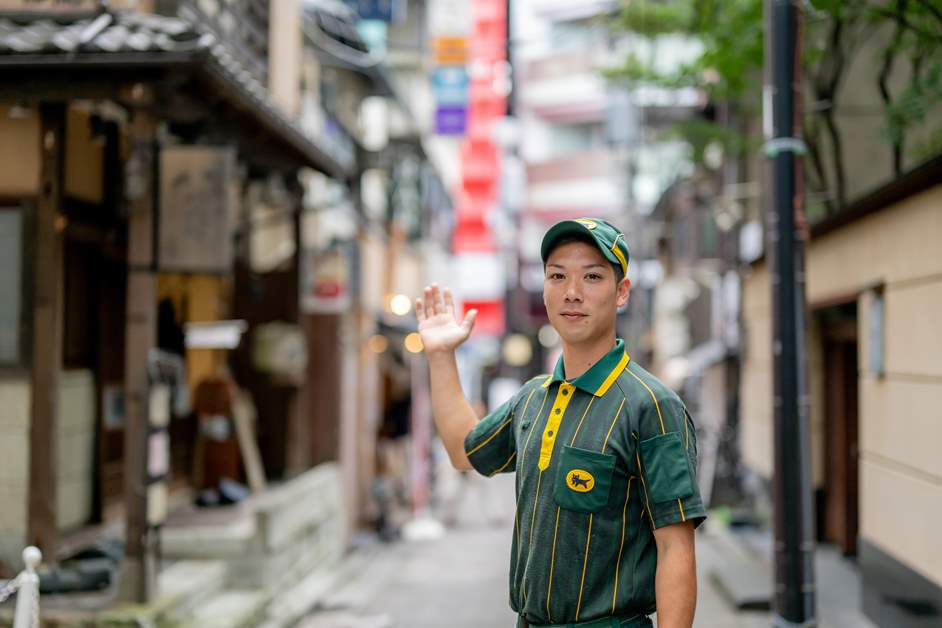
Yamato Transport Co., Ltd., best known as “Kuroneko Yamato,” operates approximately 2,800 branches nationwide, with about 60,000 sales drivers (hereinafter “SDs”) providing delivery services centered on its “Takkyubin” service. SDs, who race through the streets delivering a wide variety of packages to both individuals and businesses, could be considered experts on their neighborhoods. So, for this feature, we asked SDs responsible for collection and delivery in various areas of Minato Ward, Tokyo, to share their favorite spots. From beautiful tree-lined streets to cozy parks and even Tokyo’s iconic landmarks, we toured Minato Ward’s must-see spots as recommended by the pros.
Platinum Street in Shirokane, Where You Can Enjoy the Changing Seasons
Shirakawa, an upscale residential neighborhood lined with traditional shops, is dotted with lush green spaces such as the Tokyo Metropolitan Art Museum and the Nature Education Garden. It is characterized by a streetscape where nature and culture harmoniously coexist. Akihiro Hattori, an SD at the Minato-Tennozu Sales Office, which covers the Shirakawa area, recommends Shirakawa’s Platinum Street.
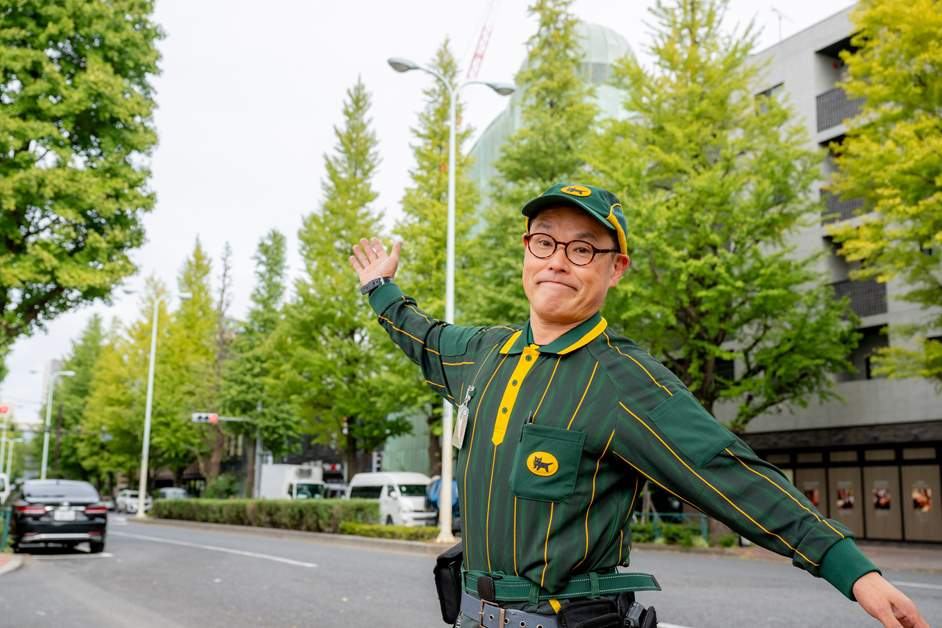
Platinum Street is a ginkgo-lined avenue just under 1 km long that connects Meguro Street and Gaien Nishi Street; it is also part of Gaien Nishi Street. “I drive through here every time I make my delivery rounds,” says Mr. Hattori, describing the charm of Platinum Street. “The ginkgo trees, which are a vibrant green in summer, turn yellow in the fall, and even the winter avenue, with its fallen leaves, has its own unique charm. I enjoy watching the changes throughout the seasons, and it’s a very pleasant street to drive down in my delivery van.”
Stylish cafes and restaurants line Platinum Street, attracting large numbers of tourists. “Since the pandemic ended, so many people have been coming—especially on weekends—that parking spaces are often completely filled. Local residents keep the area clean on a regular basis, so the street is always neat and tidy,” says Mr. Hattori.
Stylish cafes and restaurants line Platinum Street, attracting large numbers of tourists. “Since the pandemic ended, so many people have been coming—especially on weekends—that parking spaces are often completely filled. Local residents keep the area clean on a regular basis, so the street is always neat and tidy,” says Mr. Hattori.

She’s been working in the Shirokane area for six years. She says she’s gotten to know more and more customers. “There are a lot of customers who are considerate of SD staff,” Hattori said. “They’ll offer me a drink and say, ‘Here, take this.’ Even though it’s an upscale residential neighborhood, there’s a down-to-earth feel to it, and everyone is very kind. “Since working as an SD involves communicating with all kinds of customers, I feel it’s a good fit for me,” Ms. Hattori told us with a smile.
Restaurants in Akasaka Where Delicious Food Abounds
Located in the northwestern part of Minato Ward, Akasaka is a major commercial district lined with high-rise buildings and restaurants. Home to the TBS headquarters and Tokyo Midtown, among other landmarks, it bustles with people day and night. Ryota Minamiya, the group leader at the Akasaka 3-chome Sales Office, which covers the Akasaka area, says he frequently visits restaurants in Akasaka in his personal time as well. “I usually have lunch at a restaurant in Akasaka. There are so many dining options here compared to other areas that I never get bored,” he says.
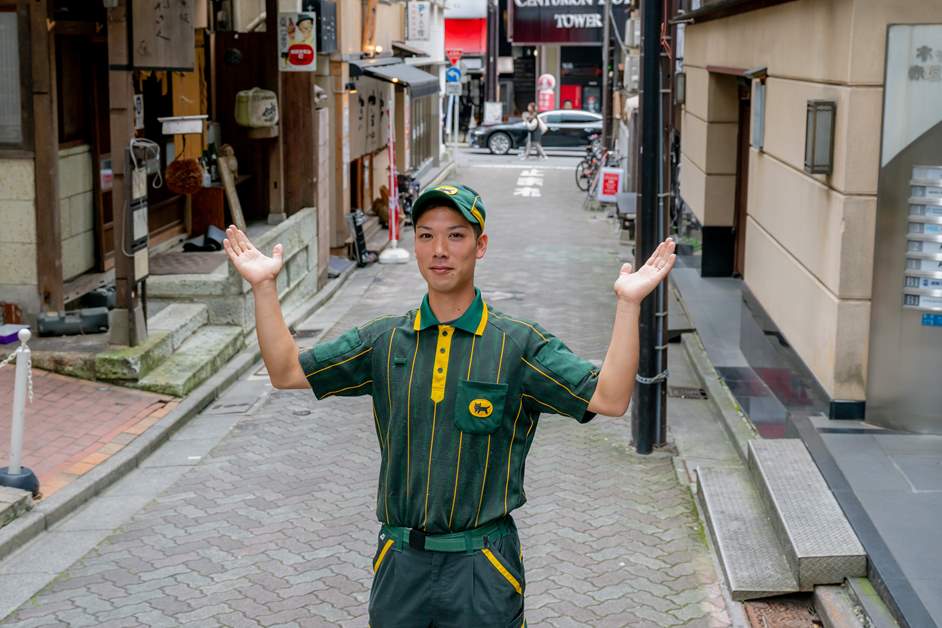
One place he visits particularly often is “Ichidori,” a restaurant specializing in Miyazaki-style free-range chicken. “For lunch, I usually have their ‘staff curry’—which is curry rice—or chicken nanban. It’s so delicious that I think I go there about once a week,” says Mr. Minamiya.
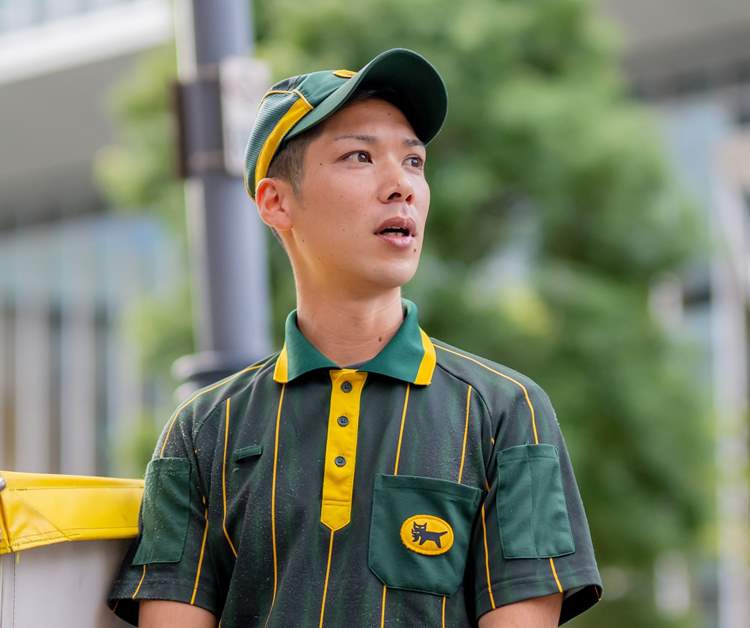
Mr. Minamiya, who has been in charge of the Akasaka area for about five years, says he has noticed changes in the neighborhood: “There are 12 hotels in Akasaka 3-chome, so I’ve had more opportunities to handle suitcases and other items for international tourists visiting Japan. “I also make pickups and deliveries at office buildings and privately-owned restaurants, but I get the impression that there are more international customers,” he confides. When asked about places other than restaurants, he replied, “Akasaka has a variety of tourist attractions, and many people visit from both Japan and abroad. I highly recommend places like Akasaka Hikawa Shrine—where we go to pray for traffic safety—and Toyokawa Inari Shrine in Moto-Akasaka, across Route 246, so please be sure to pay them a visit,” says Mr. Minamitani.
A long-established bean snack shop in Azabu-Juban, brimming with old-town charm
Azabu-Juban has a sophisticated, stylish image while still exuding a down-to-earth, old-town atmosphere. The Azabu-Juban Shopping Street, which dates back to the Edo period, stretches from Azabu-Juban Station toward Roppongi and is lined with more than 300 shops. Hironori Komatsu, an SD at the Konan Sales Office who has been in charge of the Azabu-Juban area for 13 years, introduced us to the main store of “Mame-Gen,” a bean snack shop that is also one of our pickup and delivery clients.
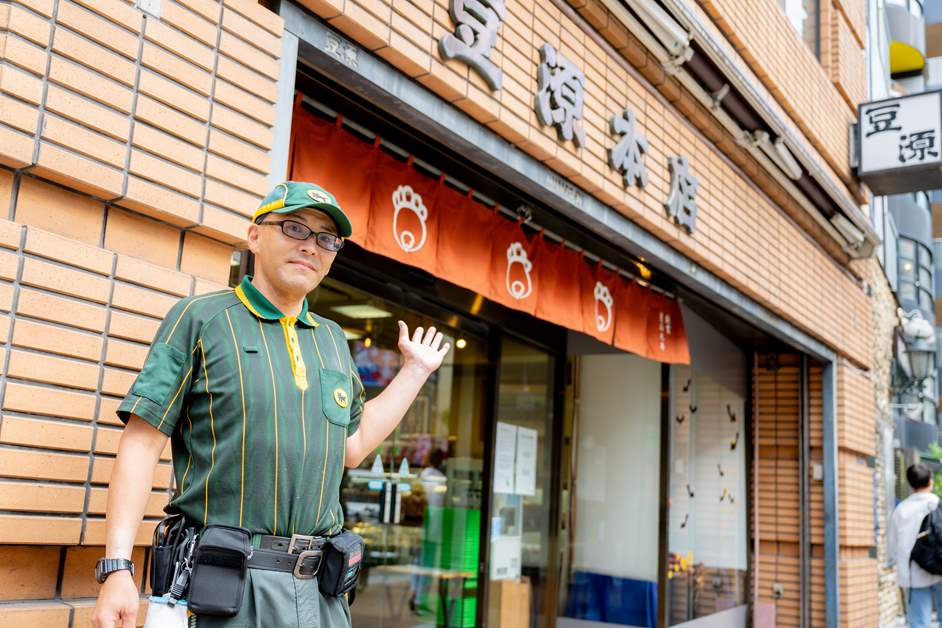
Mr. Komatsu says that the bean snacks from “Mame-gen”—a historic shop founded in the first year of the Keio era (1865)—are his absolute favorite. “The salted rice crackers fried right there at Mame-gen are absolutely delicious. They’re perfectly salted, and once I start eating them, I just can’t stop (laughs). “I often come here to buy them even in my free time,” he said, sharing his personal recommendation for the bean snacks. The main store, located in the heart of the Azabu-Juban Shopping District, sells freshly fried rice crackers and Nankin-tou candies that have just been coated with sugar. “I visit Togen almost every day for work, and I’m always greeted with a smile—I’m truly grateful,” said Mr. Komatsu.
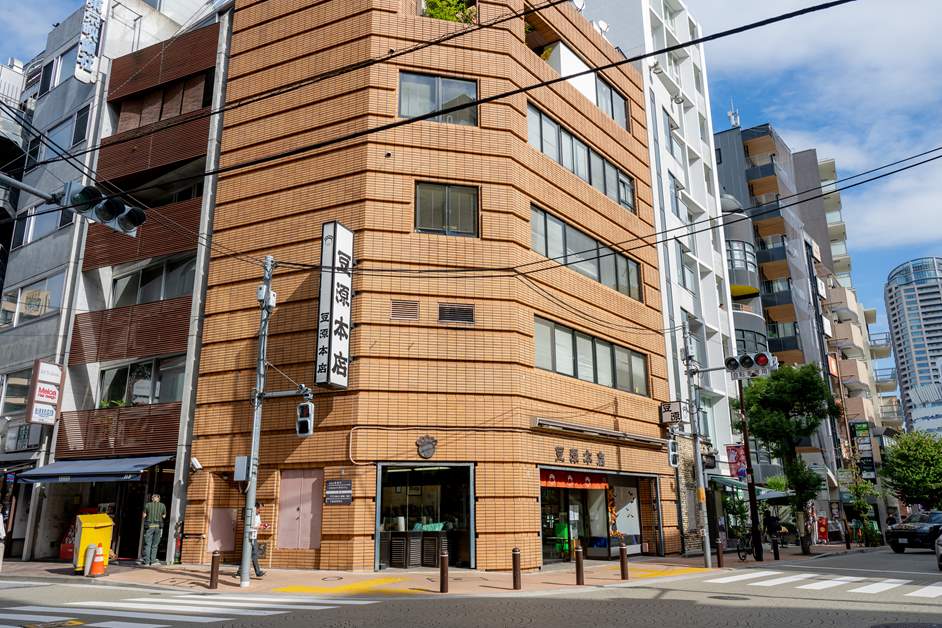
Foot traffic in the Azabu-Juban Shopping District is, as expected, heaviest on Saturdays and Sundays. On the other hand, it’s much quieter on weekdays, and apparently the area is particularly quiet on Tuesdays, when many stores are closed.

Mr. Komatsu, who has many regulars and has built close relationships with a large number of customers, said, “I remember writing ‘Greet people cheerfully’ as one of my goals when I was a new employee. “Going forward, I want to make sure the local community continues to call me ‘Mr. Komatsu’ rather than just ‘Yamato,’ so I’ll never forget my original intentions—I’ll greet everyone cheerfully and communicate effectively,” he said, expressing his determination.
Shinagawa Central Garden in Konan: A Hidden Gem
Konan is a waterfront town with a canal running through it, located east of JR Shinagawa Station and Takanawa Gateway Station. In charge of this area, where high-rise buildings and tower condominiums stand side by side, is Yutaka Nagai, Group Leader at the Konan 2-chome Branch of the Konan Sales Office. Mr. Nagai’s favorite spot is Shinagawa Central Garden, a vast pedestrian space stretching between the high-rise buildings of Shinagawa Intercity and Shinagawa Grand Commons. Mr. Nagai even struck the “Black Cat” pose for us at the garden’s entrance!
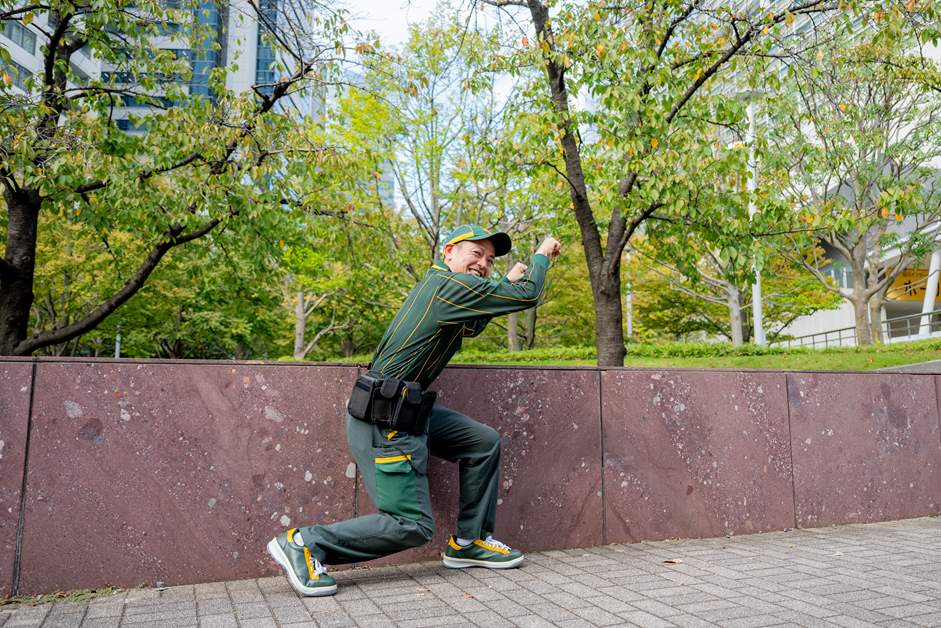
Stretching north to south, Shinagawa Central Garden—approximately 45 meters wide and 400 meters long—serves as a place of respite for businesspeople. Mr. Nagai, who often passes through the garden on his delivery rounds, says, “In the summer, the shade from the trees keeps it cool, and during the Christmas season in winter, the lights come on and it’s absolutely beautiful. Since it’s in a business district, some people come here for lunch, but it’s never too crowded, so it’s actually a hidden gem. Shinagawa Station is also a major transportation hub, so many people find themselves with a little time to kill before their next connection. I’m sometimes asked by international visitors for recommendations on places to visit, and when I suggest Shinagawa Central Garden, they’re always delighted,” he shared.
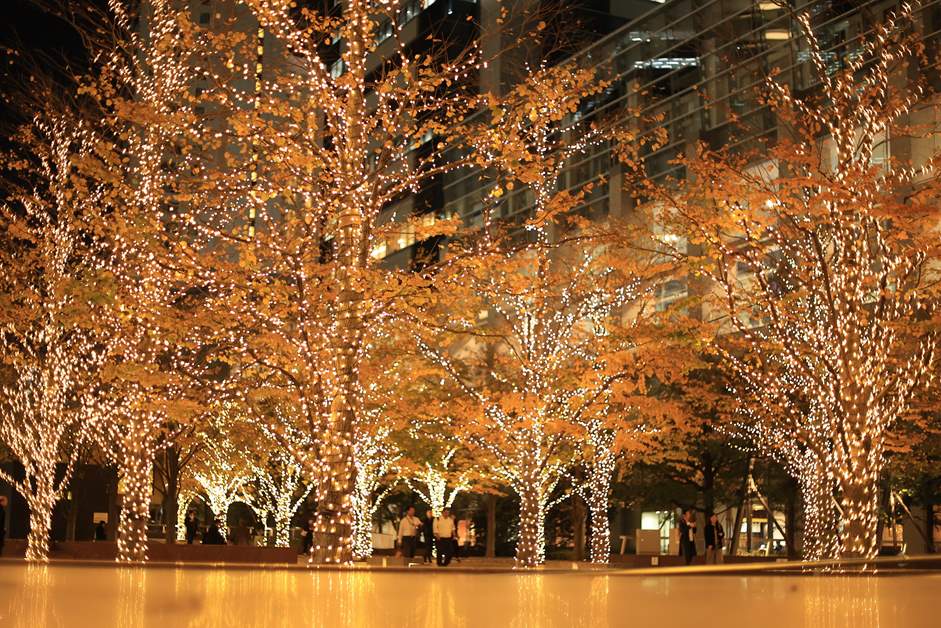
The illuminations at Shinagawa Central Garden will run through February 14, 2025. 100,000 light bulbs will brighten up the night in Shinagawa. Mr. Nagai, who has been working in the Konan area for four years after managing about 13 branch offices in Minato Ward, When asked about other recommended spots, he said, “Konan is home to the Central Wholesale Market’s Meat Market, and the ‘Tokyo Meat Market Festival’ held there is always a huge hit every year. I especially felt that there were more visitors this year than last. With stage events, meat tasting corners, food trucks, and food stalls, it’s a lot of fun, so please be sure to check it out.”
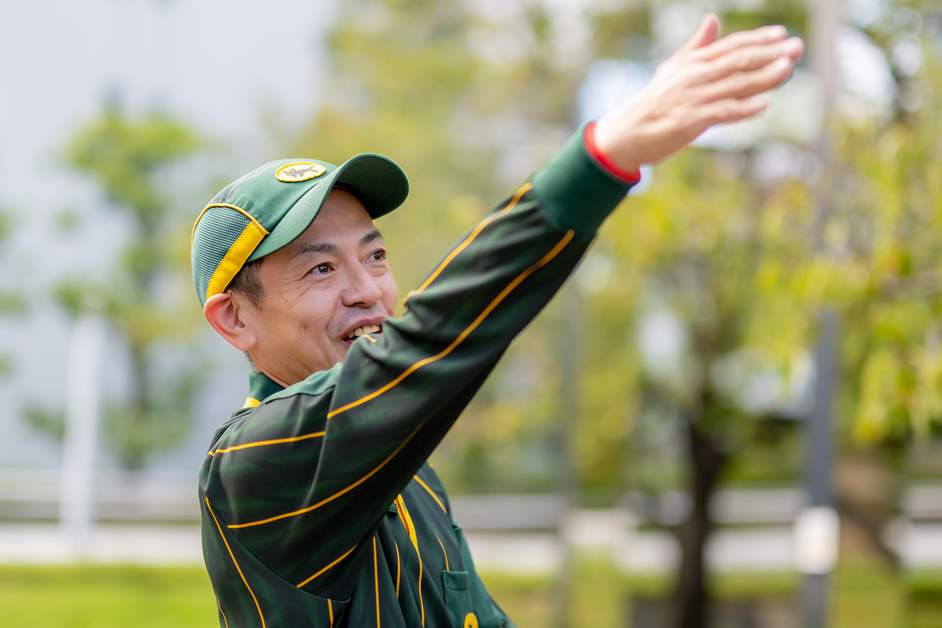
Konan, lined with high-rise buildings belonging to major corporations, is one of Japan’s premier office districts. Ms. Nagai said, “It’s precisely because I wear the Yamato Transport uniform that I’m able to meet such a wide variety of customers. “Konan, in particular, has a wide variety of corporate clients, so it’s a great learning experience for me and helps broaden the scope of my work,” he said. He also shared his thoughts on his job, adding, “Above all, I want to remember to be grateful and, as a team leader, approach each and every customer with a sense of responsibility.”
Tokyo Tower in the Shiba District, Which I Can Always Look Up At
Shiba Park traces its origins to Meiji 6 (1873), when the grounds—which had originally been part of the Zojo-ji Temple precincts—were opened to the public as a park. The Shiba Park area surrounds Zojo-ji Temple and features Shiba Park itself as well as hotels and other facilities; among these, the Tokyo Tower—a symbol of Tokyo—is one of the must-see tourist attractions. Daisuke Konishi, an SD at the Minato-Ariake Sales Office, which oversees the Shiba Park area, naturally recommends Tokyo Tower.
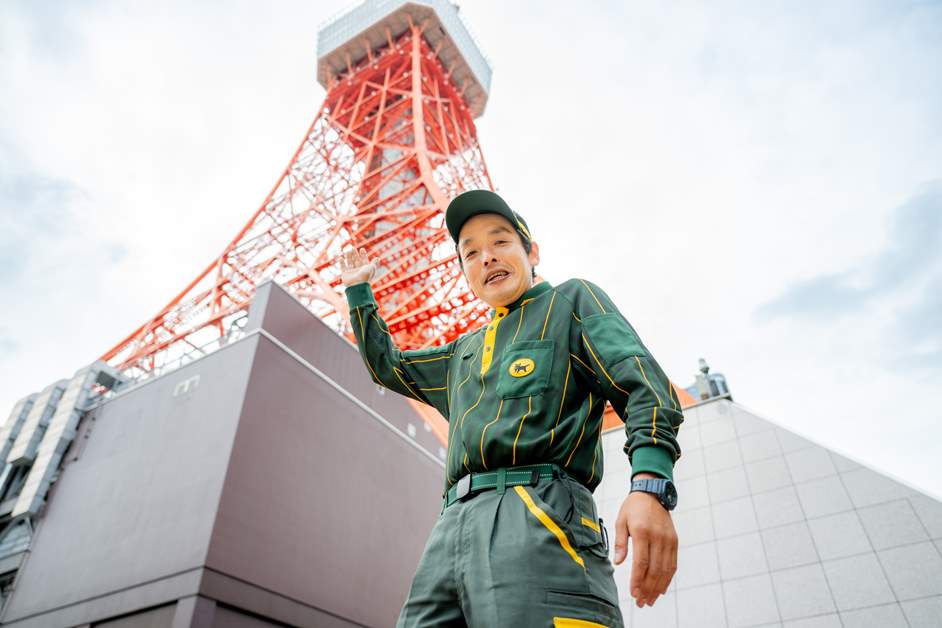
Mr. Konishi says that whenever he’s making his rounds in the delivery area, Tokyo Tower is always in his line of sight. He says that looking up at it somehow puts him at ease. “It’s not exactly ‘the good old days,’ but Tokyo Tower has a certain charm, and seeing it puts me at ease. I’m honestly happy to be able to work in a place like this. There’s also Zojo-ji Temple, which has a long history, and I think this is an area where traditional culture is deeply rooted,” says Mr. Konishi.
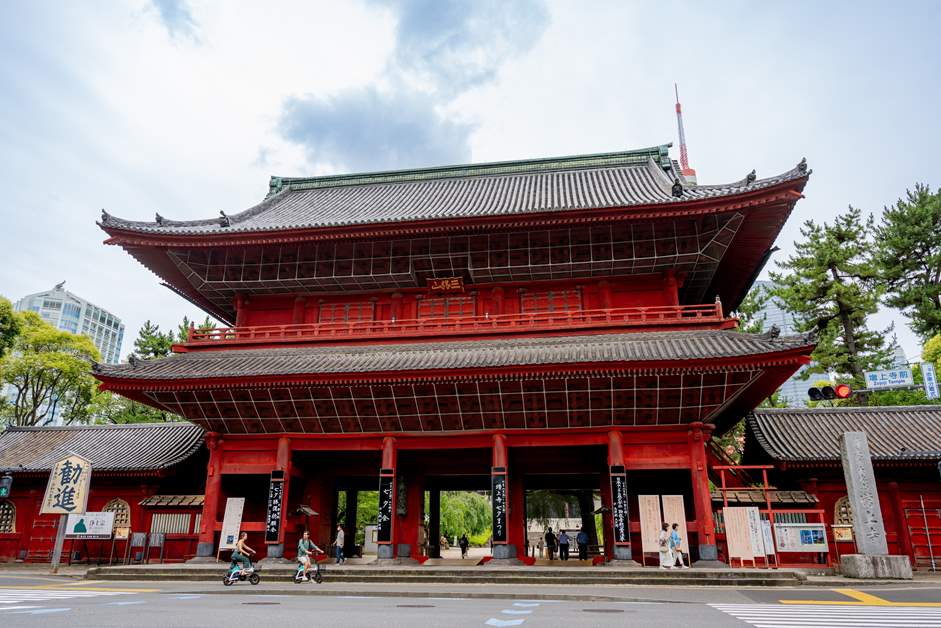
As a popular tourist destination, the Shiba Park area has seen a steady increase in the number of visitors. Ms. Konishi says, “Based on my own observations, I think the number has roughly doubled compared to last year. I do see a lot of visitors traveling with suitcases.”Incidentally, Yamato Transport reportedly offers “luggage storage and same-day luggage delivery” services at airports, train stations, tourist facilities, and select branch offices.
Yamato Transport “Luggage Storage and Same-Day Luggage Delivery” https://www.kuronekoyamato.co.jp/ytc/customer/send/services/hands-freetravel/
Yamato Transport “Luggage Storage and Same-Day Luggage Delivery” https://www.kuronekoyamato.co.jp/ytc/customer/send/services/hands-freetravel/

Ms. Konishi, who has been in charge of the Shiba Park area for two years, shares her goal: “For example, if a customer is having trouble, I want to be someone they can trust and turn to right away. To that end, I want to make a special effort to be approachable.”
The SDs from each area shared information about places they actually visit almost every day. Why not take a tour of these charming “favorite spots” while thinking of the SDs wearing their mother-and-kitten badges?
The SDs from each area shared information about places they actually visit almost every day. Why not take a tour of these charming “favorite spots” while thinking of the SDs wearing their mother-and-kitten badges?