



The World of “A” Comes to Life! “Design A Exhibition neo” Opens at Toranomon Hills TOKYO NODE
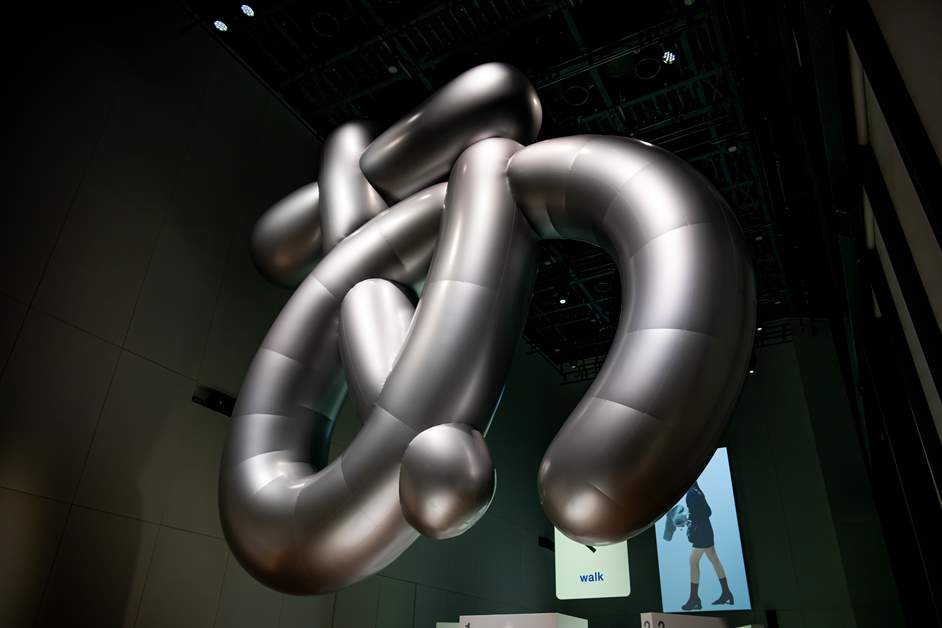
Staying true to the concept of the popular NHK E-Tele series “Design A neo,” the “Design A Exhibition neo”—an exhibition where people of all ages, from children to adults, can experience the fun and depth of design—will be held from Friday, April 18, 2025, through Tuesday, September 23, 2025 (a national holiday), at “TOKYO NODE” in Toranomon Hills. Marking a return approximately four years after the previous exhibition—which drew a cumulative total of 1.16 million visitors—this exhibition features 35 works centered on the theme of “actions (verbs).” It invites visitors to rediscover everyday actions—such as “walking,” “eating,” “sitting,” and “holding”—from a design perspective. In this article, we’ll report on the currently running “Design A Exhibition neo,” highlighting its key attractions and ways to enjoy the exhibition.
About 220 meters above ground! Currently taking place on the upper floors of a skyscraper
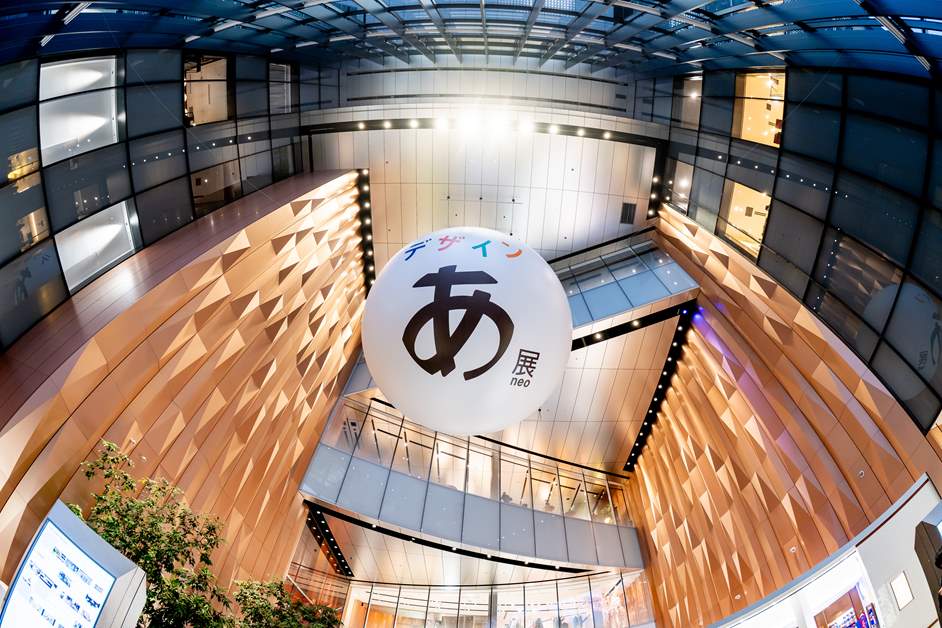
The venue, “TOKYO NODE,” is an information hub located at the very top of the “Toranomon Hills Station Tower,” which opened in 2023. Upon entering the building, you’ll first be greeted by a giant round balloon from the “Design Ah Exhibition neo.” Since it’s directly connected to Toranomon Hills Station on the Hibiya Line, you can access it without getting wet, even on rainy days.
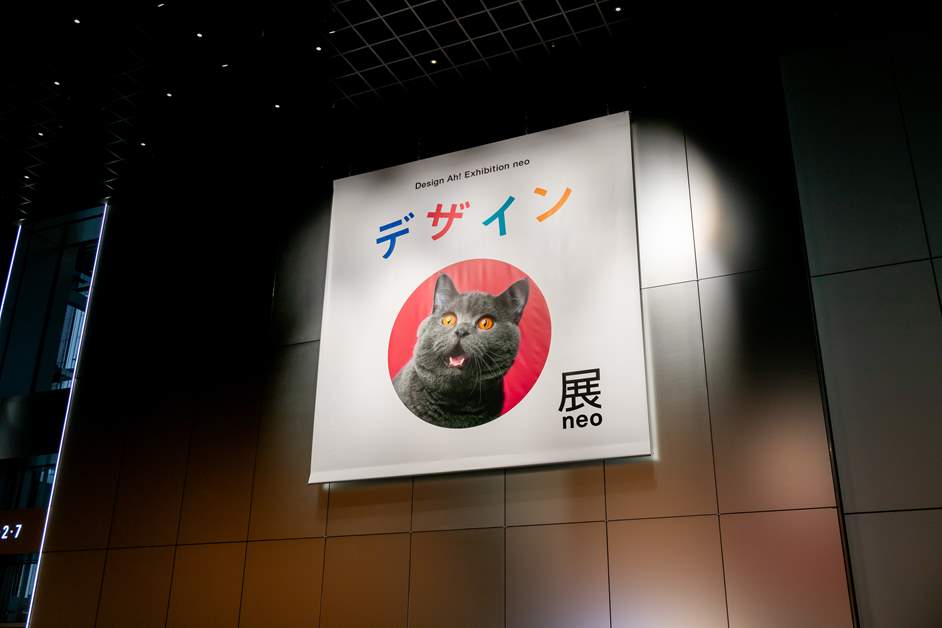
"Design A Neo" is a program that focuses on the "design" found in everyday life, helping viewers discover its mechanisms and appeal from multiple perspectives—all while eliciting that "Ah!" moment of surprise. Just like the cat on the giant tapestry, there are many moments at the exhibition that will make you involuntarily exclaim, "Ah!"
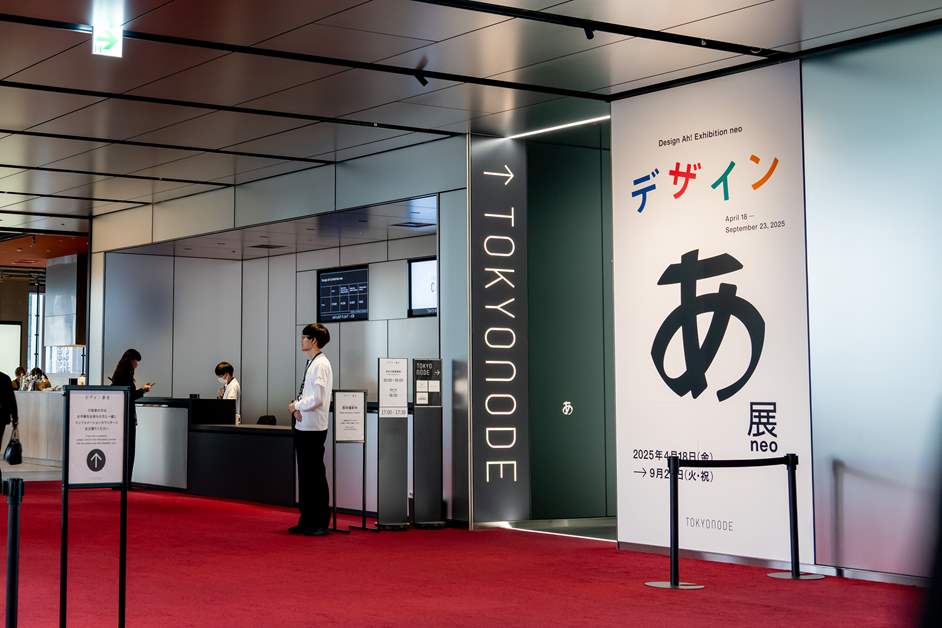
Check-in is at the 8th-floor entrance. This exhibition operates on a reservation-only basis with designated time slots, and admission slots are allocated in 30-minute intervals. Tickets can be purchased at the ticket counter or from ticket vending machines on the day of your visit if there are still available slots, but they will not be sold at all if they are sold out online. If you’ve already decided on your visit date, be sure to purchase your tickets early through the official website.
I immediately took the elevator up to the 45th floor and entered the exhibition. On the first floor, a balloon shaped like the letter “A”—which was absolutely enormous—was floating in the air. What an impressive sight!
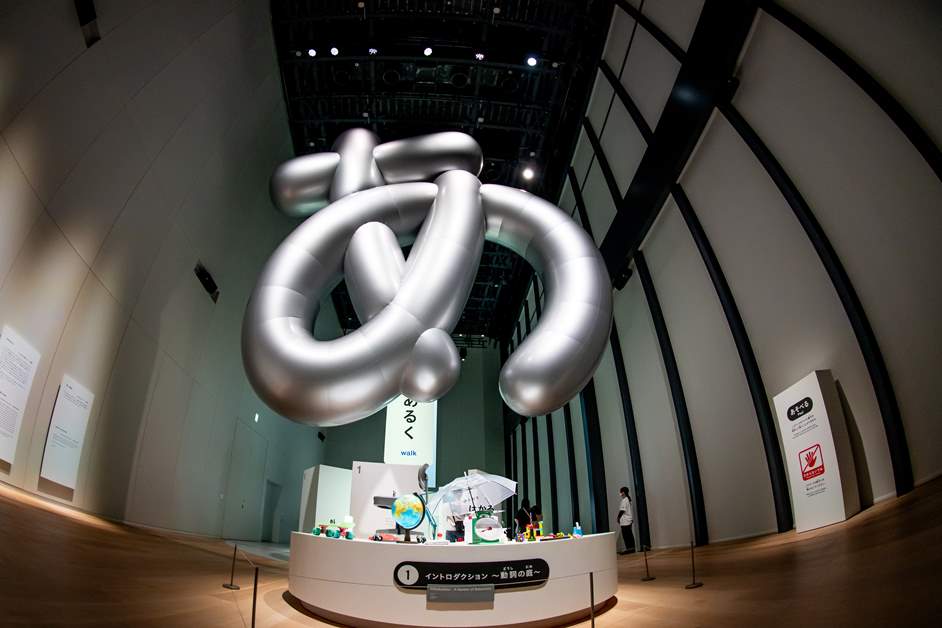
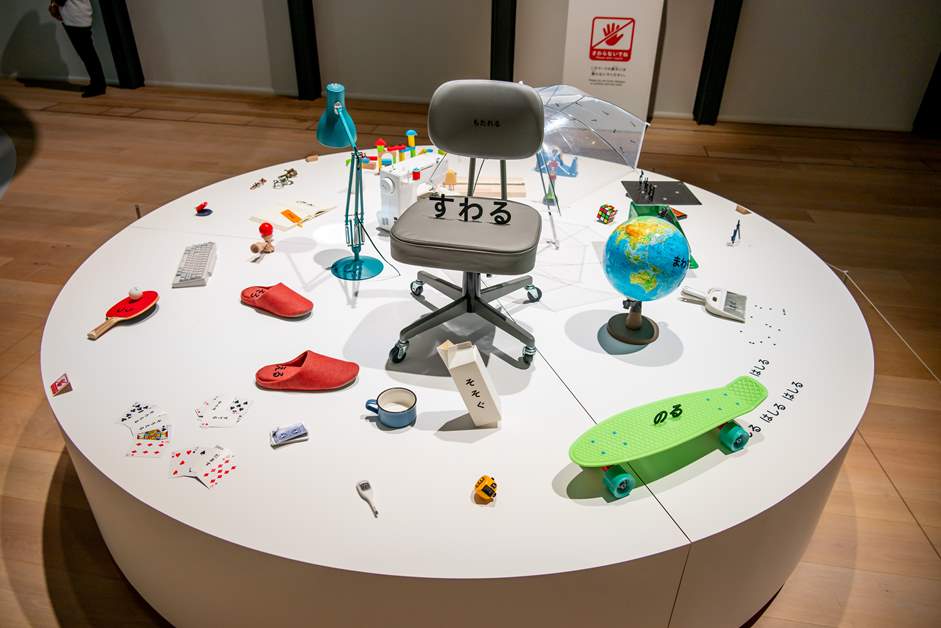
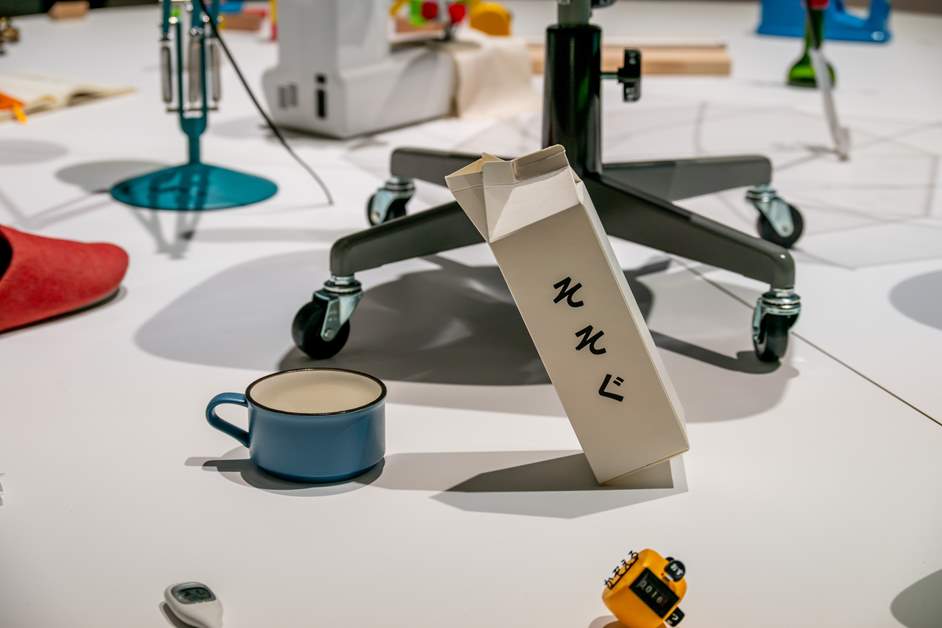
"Introduction: The Garden of Verbs," which greets visitors at the start of the exhibition, is a display that symbolically conveys the theme of "action (verbs)." In this installation, everyday tools moved freely without anyone touching them.
The 35 works on display at the “Design A Exhibition neo” were created by a team of creators led by graphic designer Taku Sato, who serves as the exhibition’s general director. Kentaro Masuda, a producer at NHK Promotion—one of the exhibition’s organizing bodies—revealed, “During the planning stage, the creators brought a variety of ideas to the table, and through repeated discussions, the exhibition’s content was finalized.”
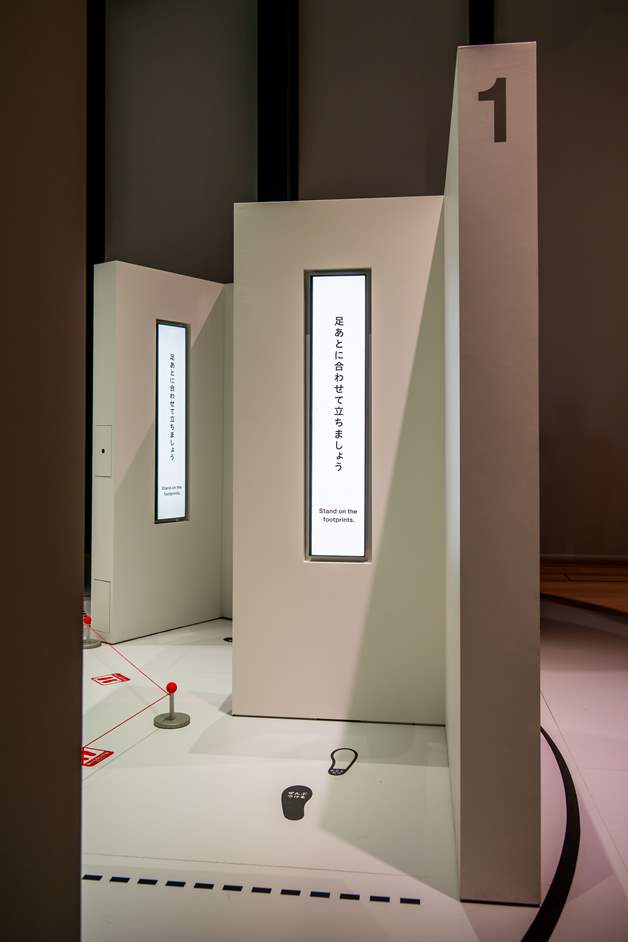
First up is an exhibition centered on the theme of “walking.” In “Walking Log,” visitors strike walking poses according to the booth’s instructions, and their movements are displayed on a giant monitor. The venue spans approximately 1,500 square meters, with a maximum height of 15 meters. One of the exhibition’s highlights is the high degree of creative freedom afforded by the venue’s spacious layout. “We had to make adjustments for exhibits that wouldn’t fit in the venue or didn’t align with the blueprints, but since this is our third exhibition, I think the ideas proposed by the creators were, for the most part, quite feasible,” said Mr. Masuda.
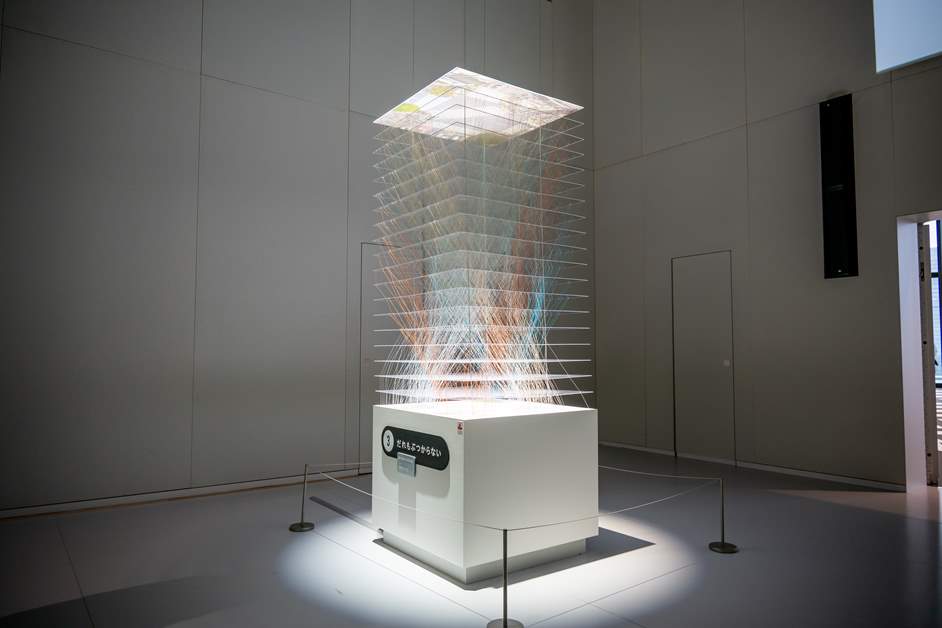
"No One Collides" is a work that uses threads to visualize the flow of people at Shibuya’s Scramble Crossing, a famous tourist attraction. Each thread represents the movement of a person, and it shows that, despite the heavy crowd, people are crossing the crosswalk without touching any of the other threads.
"Which One Is the Crosswalk?"—Use your intuition to guess the correct spacing between the stripes on a crosswalk from the options "A," "B," and "C." Since it’s something we don’t usually pay attention to, it’s actually quite a tricky question. Find out the correct answer at the event!
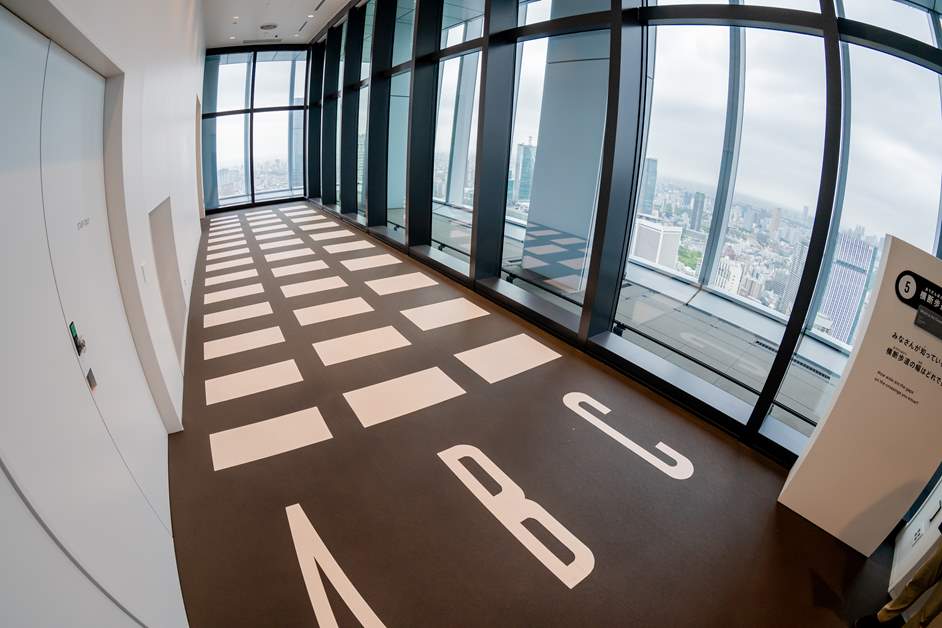
There were many interactive exhibits like this, and the “Which One Is the Crosswalk?” exhibit was enjoyed by visitors of all ages as they walked through it. “As for the visitor demographic, we naturally see families—primarily children who watch the show—but on weekdays, couples and groups of friends are also quite noticeable. In addition, there are quite a few so-called repeat visitors who enjoyed our past exhibitions,” said Mr. Masuda.
Both kids and adults are captivated by the hands-on exhibits!
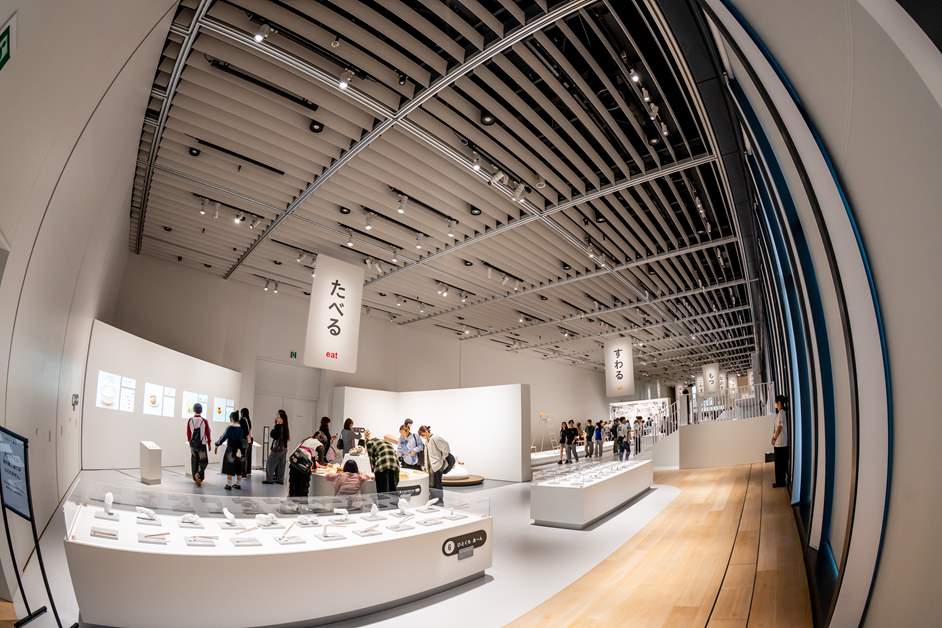
On the next floor as well, the exhibits are organized by “actions (verbs)”—starting with “eat,” followed by “sit,” “carry,” “search,” and “throw away.” Let’s start by checking out the pieces that catch your eye.
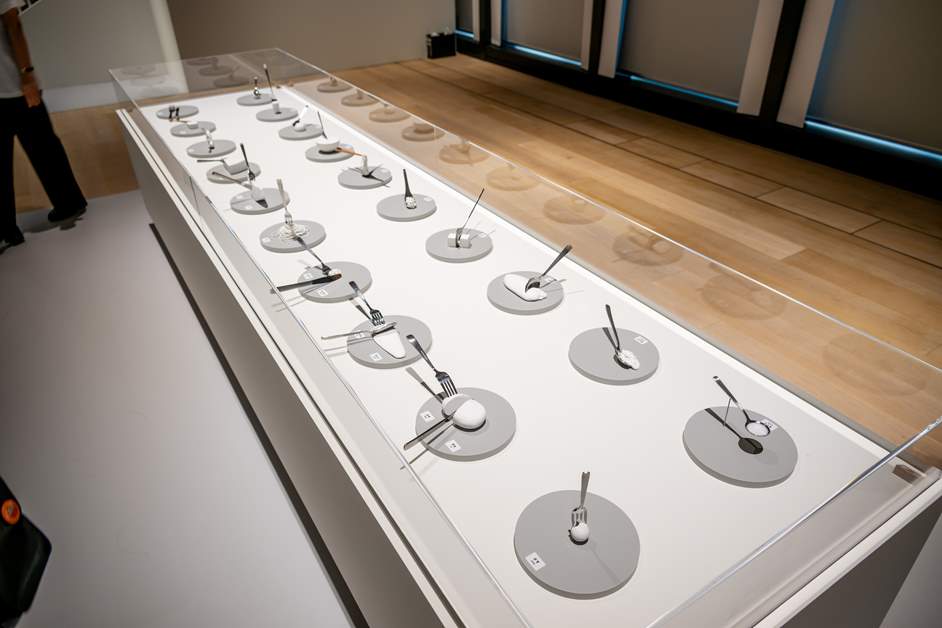
"One Bite: Aah" is an exhibition that showcases the various movements people make when eating with spoons, forks, chopsticks, or their hands. Visitors can observe how, even for the same eating action, hand movements and the use of utensils differ subtly.
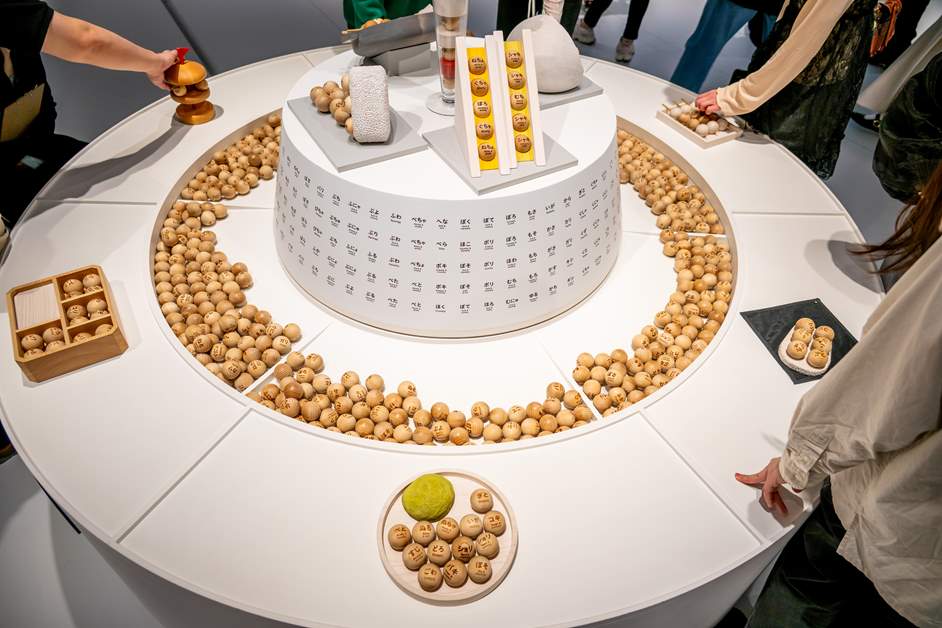
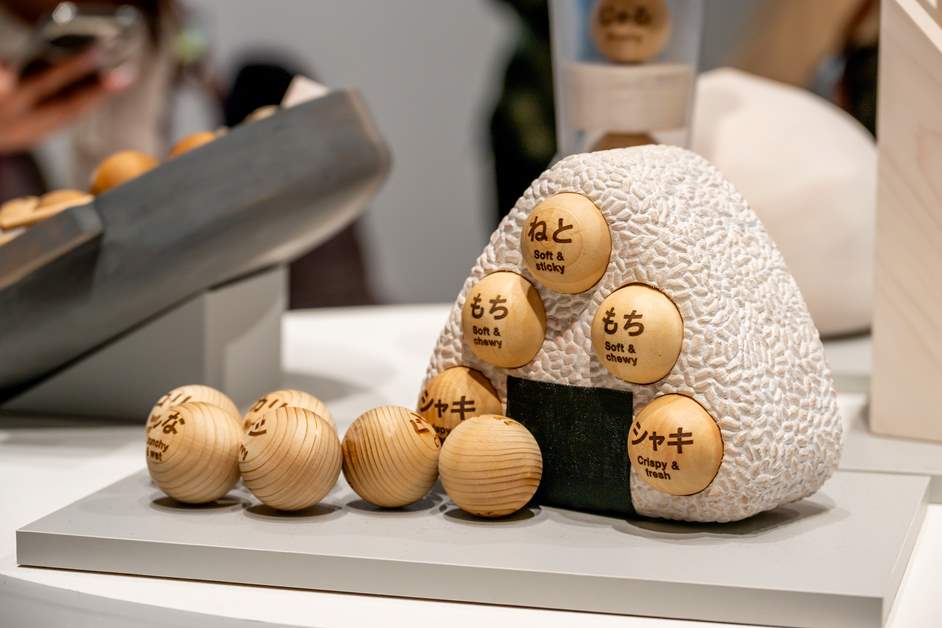
A crowd had gathered around “Onomatope Pieces,” an activity where participants fit onomatopoeic pieces representing textures—such as “fluffy,” “crunchy,” and “juicy”—into food shapes like rice balls, hamburgers, and rice bowls. Whether using classic combinations or unexpected ones, participants could freely experiment with the pieces, much like building blocks.
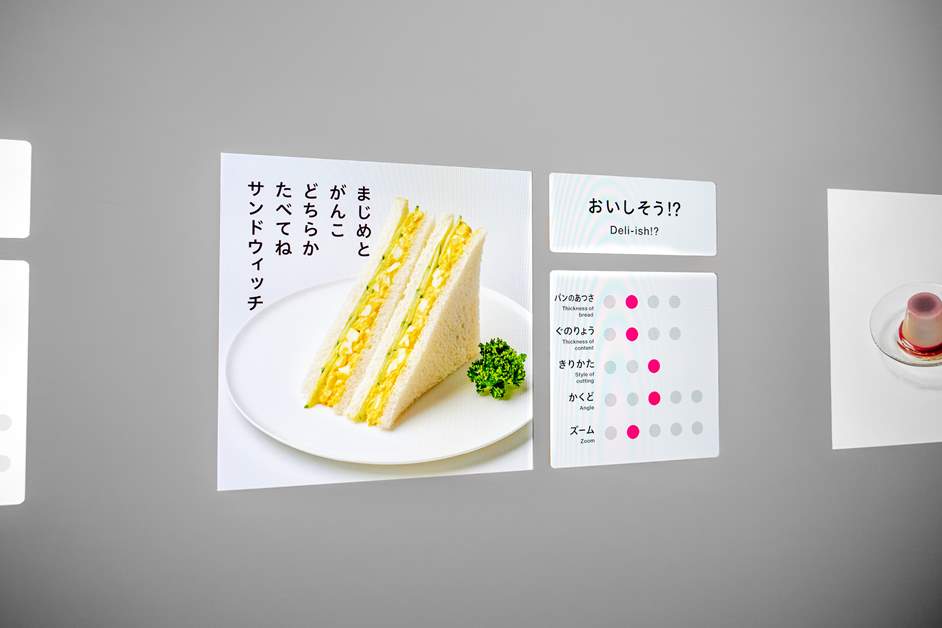
"Looks Delicious!?" is a hands-on activity where you can adjust the texture, thickness, and level of doneness of food to create a delicious-looking dish just the way you like it. There are four menu options: rice, hamburger steak, sandwich, and pudding. I tried it out with the sandwich, and I think it turned out pretty delicious, don't you?
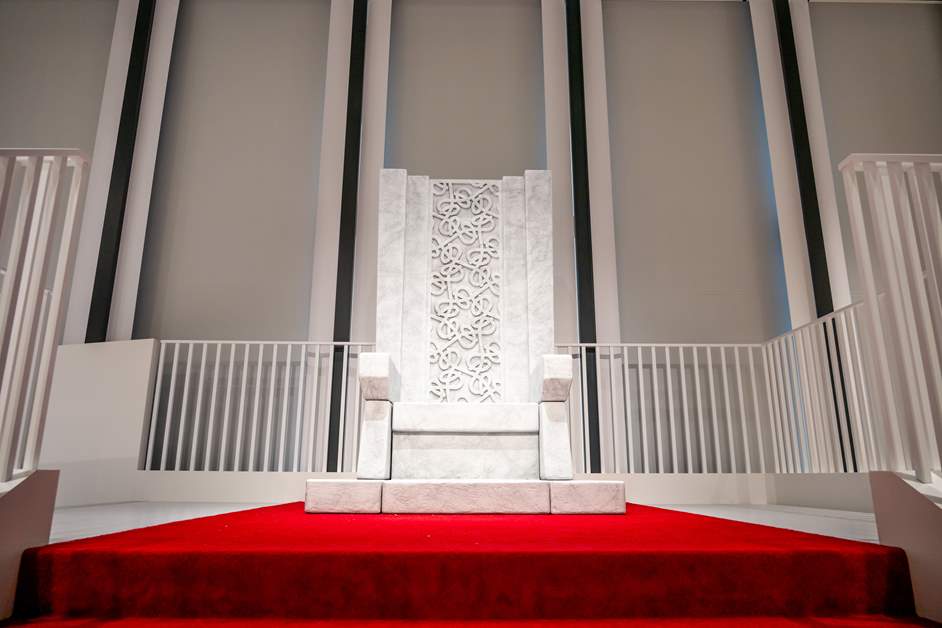
Perched on a hill, the “Prestigious Chair” is a magnificent chair that lets you feel like an important person just by sitting in it. It’s also a prime photo spot, and there was a constant stream of people taking pictures. “There’s a ramp, so people in wheelchairs can enjoy the experience too,” said Ms. Masuda.
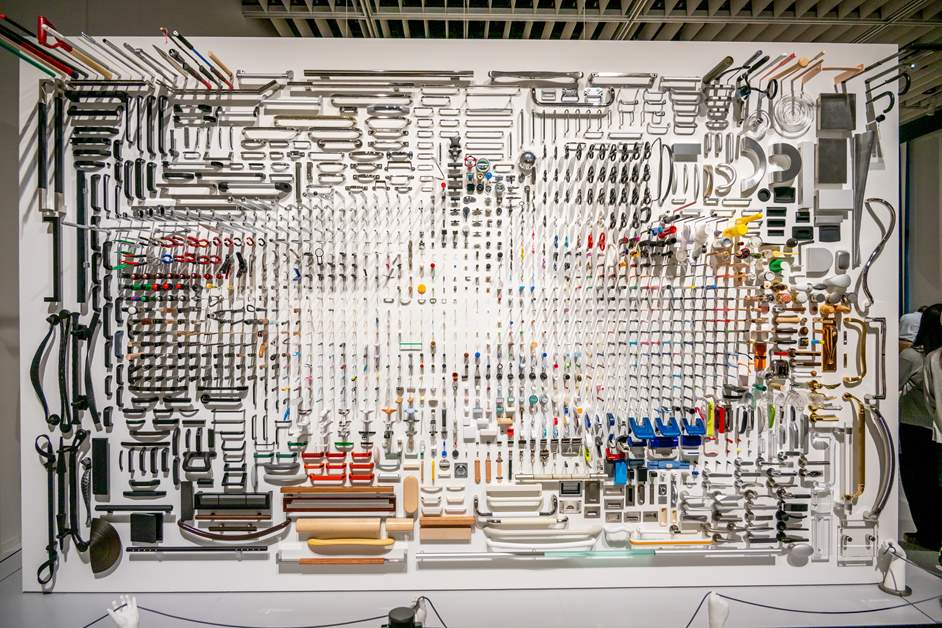
"A Collection of Handles"—a display featuring everyday "handles" such as scissors, screwdrivers, and doorknobs—is truly overwhelming in its sheer number. It becomes clear that even though they are all called "handles," their shapes and sizes vary greatly depending on their function.
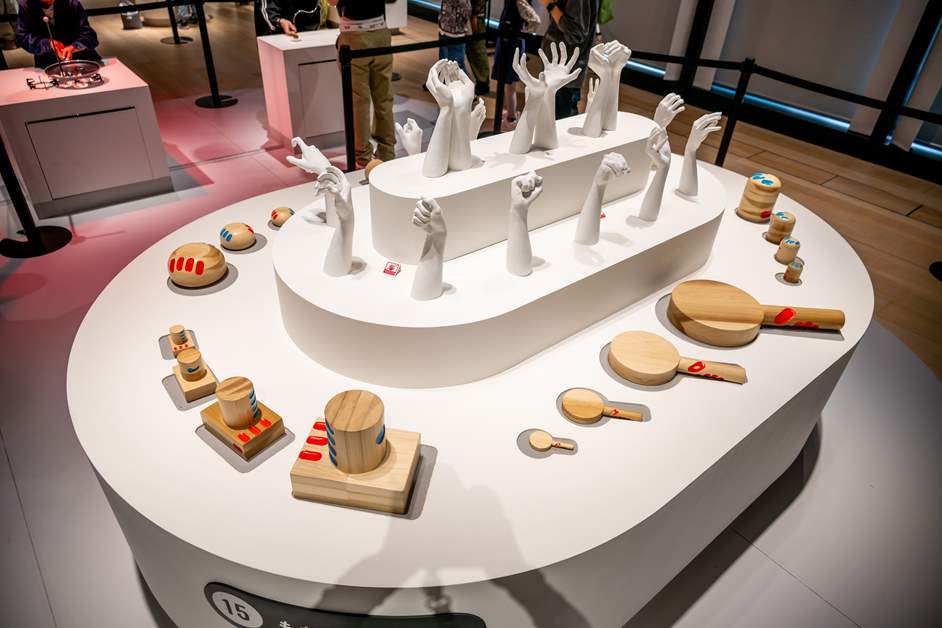
"The Feel of Holding" is an exhibition that focuses on the different shapes and sizes of people's hands. Visitors can experience how various tools feel in their hands, organized by size.
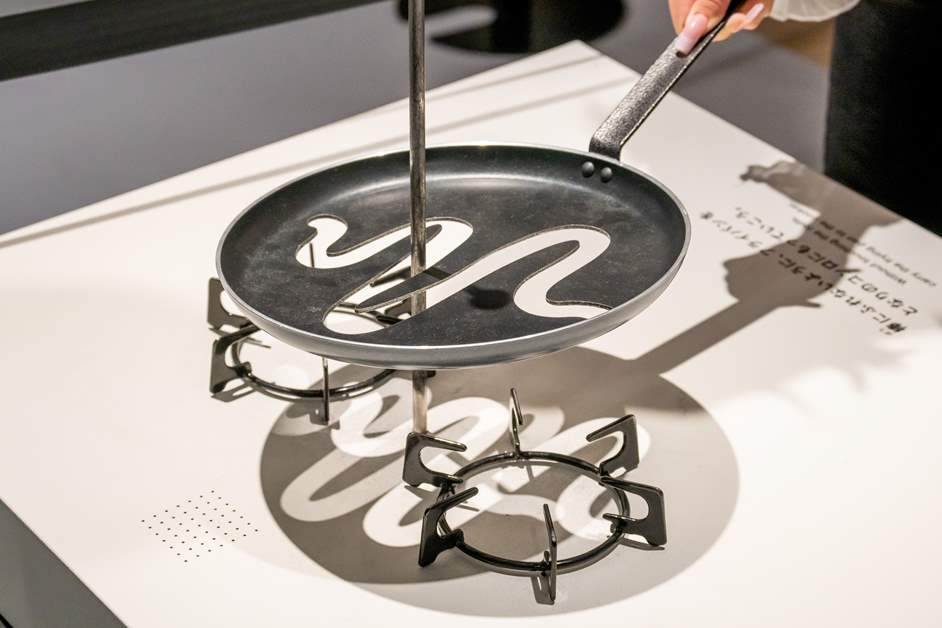
The “Mochihakobi Trial,” where you have to move objects like frying pans and guitars without letting them hit the pipes, is addictive thanks to its simple rules and heart-pounding excitement. It tests your concentration and dexterity.
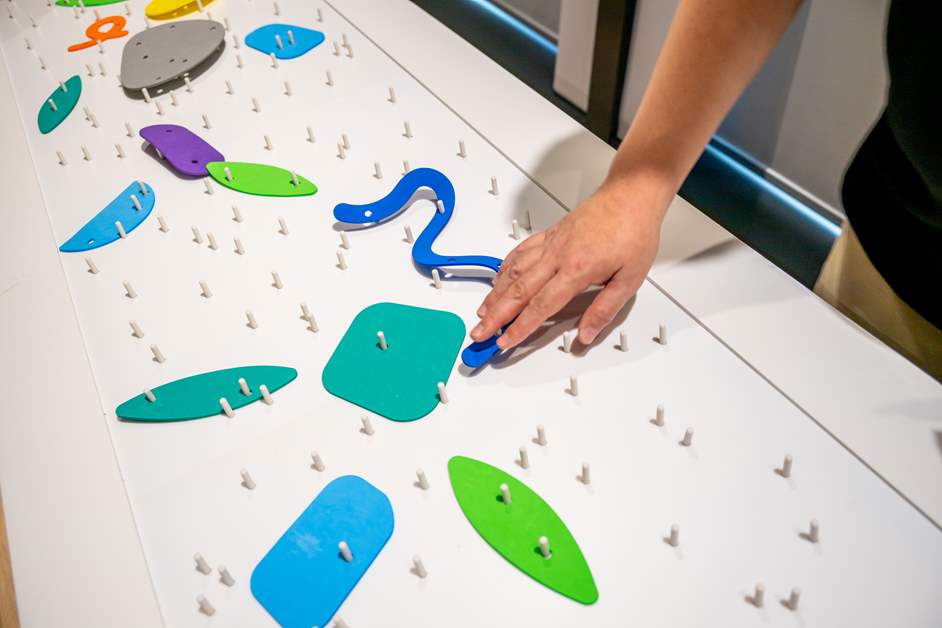
"Jikkuri Shikkuri," a game where you fit sheets of various shapes with holes into the pins that match them perfectly, is surprisingly addictive. The children were completely engrossed in searching for the pins that fit the sheets. “We didn’t know which exhibits would be popular until the exhibition actually began. Some people lingered at a single exhibit for a long time—it really varies from person to person,” said Ms. Masuda.
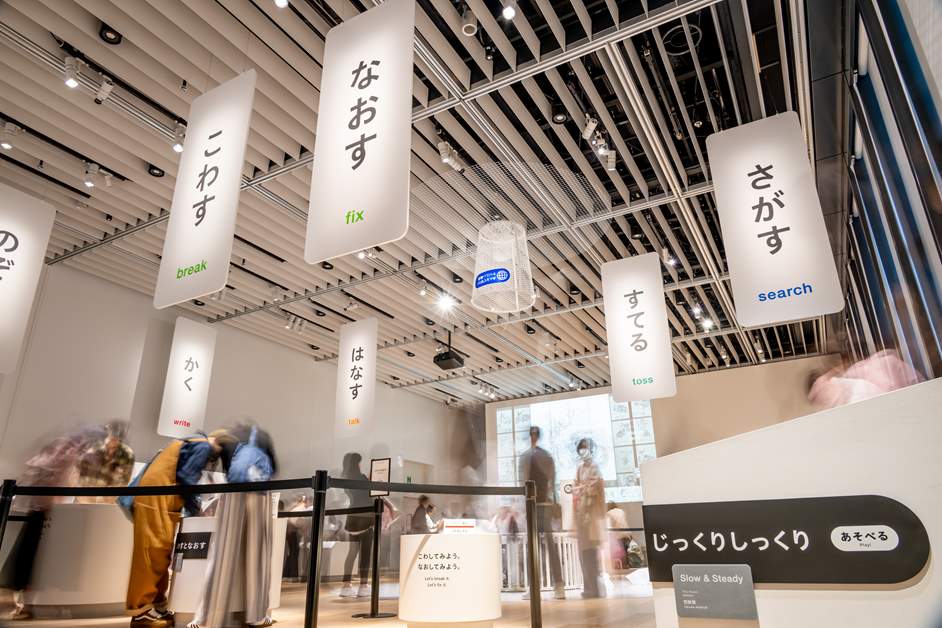
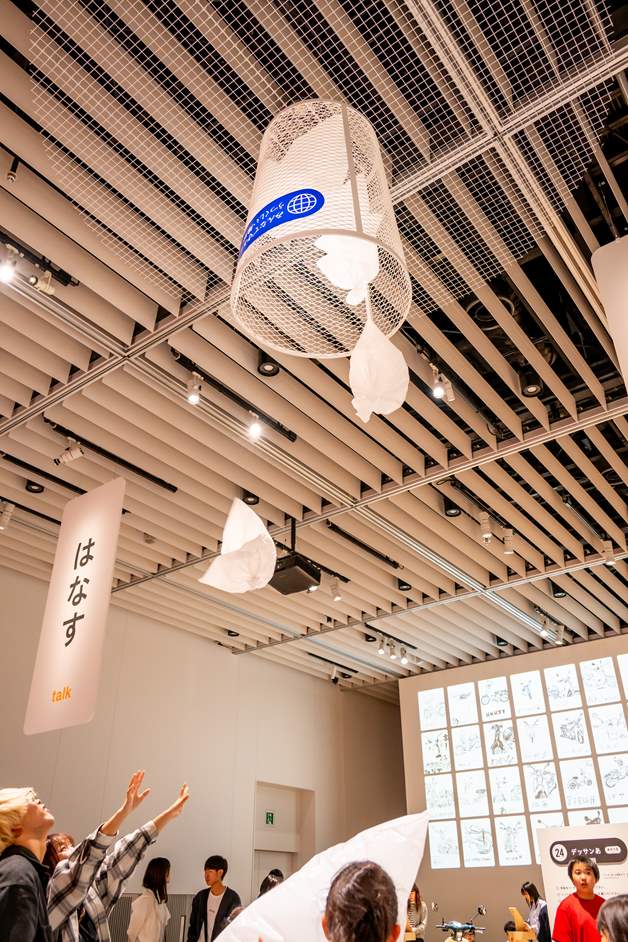
"Rutesu," which reimagines the act of "throwing away" through a reversal of conventional thinking, is an interactive installation where, instead of throwing trash down, visitors drop trash bags from below into a trash can mounted on the ceiling. It somehow reminds me of the ball-toss game at a school sports day.
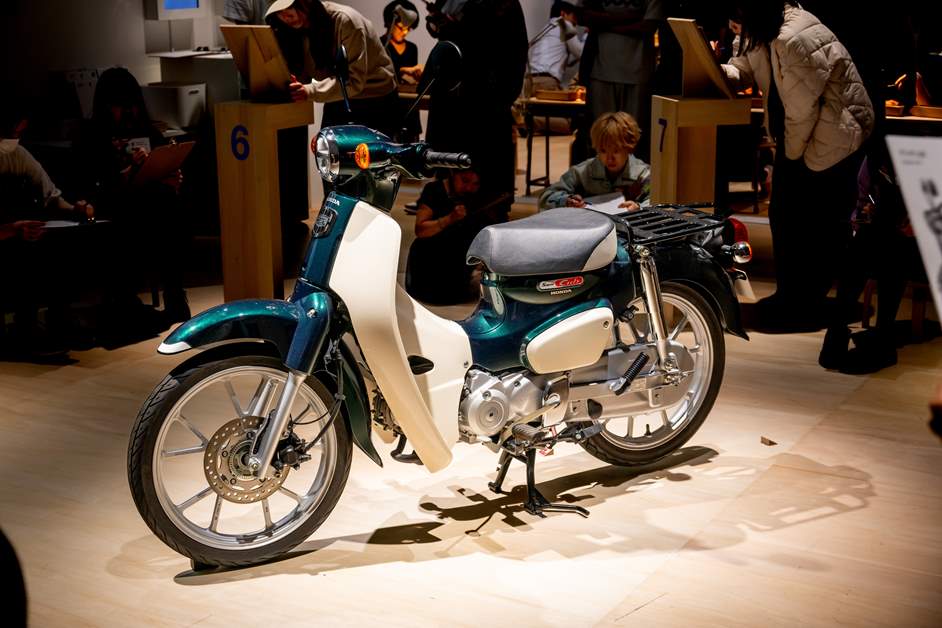
"Sketching A" is an event where visitors observe motifs such as mopeds from various angles and create sketches. The completed sketches are displayed on a large screen inside the venue. While cultivating observational and expressive skills, you may also make new discoveries by learning about other people’s perspectives. Additionally, on the special website, you can view sketches submitted from across the country during the exhibition period.
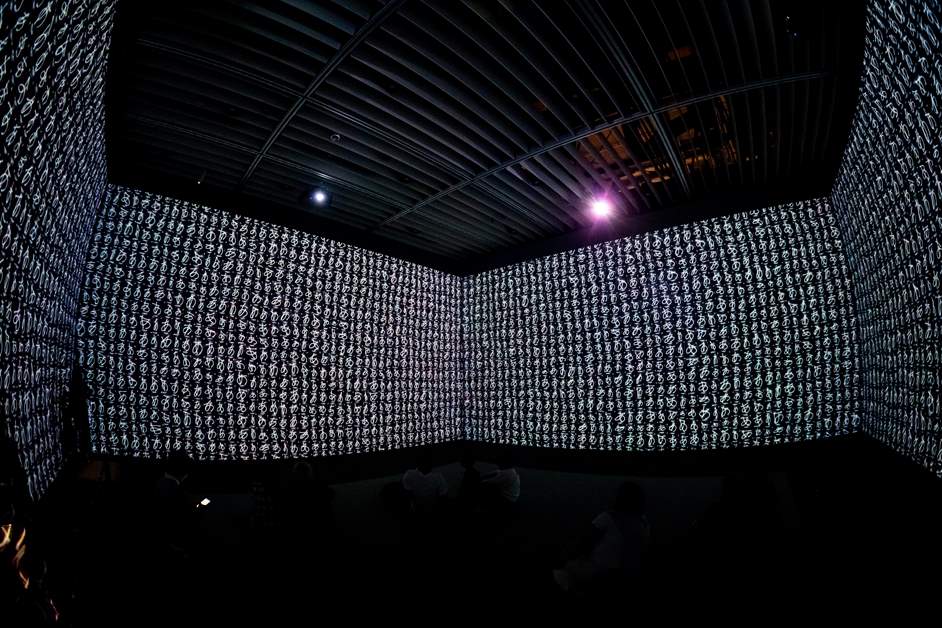
This exhibition also features a rich selection of video works by artists such as video director Yugo Nakamura and music director Shuta Hasunuma. In *"The 'A' Tune,"* visitors can immerse themselves in a shower of "A"s filling the entire screen, all set to rhythmic music.
"Which Design Wins?" is an interactive debate show. On everyday topics such as "Is milk better in a glass bottle or a carton?" the characters "Boy" and "Guy" debate their opinions, and the audience votes on which side they support. The entire venue comes together in a lively atmosphere, allowing everyone to deepen their understanding of design.
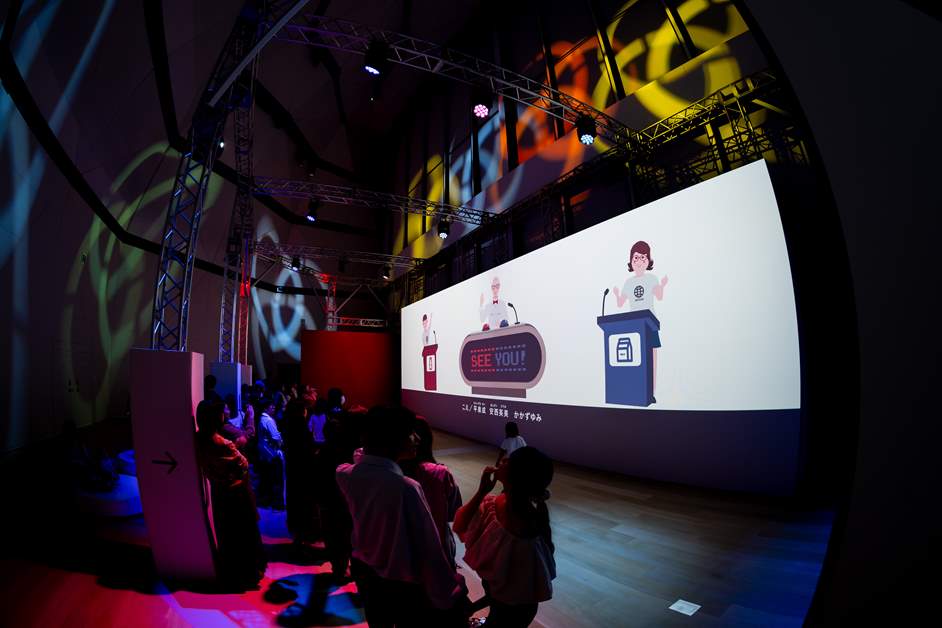
The “Design A Exhibition neo” was bustling with visitors again today. The exhibition runs through Tuesday, September 23 (a national holiday), but what’s the best day of the week and time of day to visit? Ms. Masuda explained, “While the organizers are doing their best to increase the number of time slots, tickets for weekends tend to sell out very quickly—which we’re grateful for—so I’d definitely recommend visiting on a weekday. If you come on a weekday morning, in particular, you’ll likely be able to enjoy the exhibition at a relatively leisurely pace.”
The merchandise and collaboration menu items are also appealing
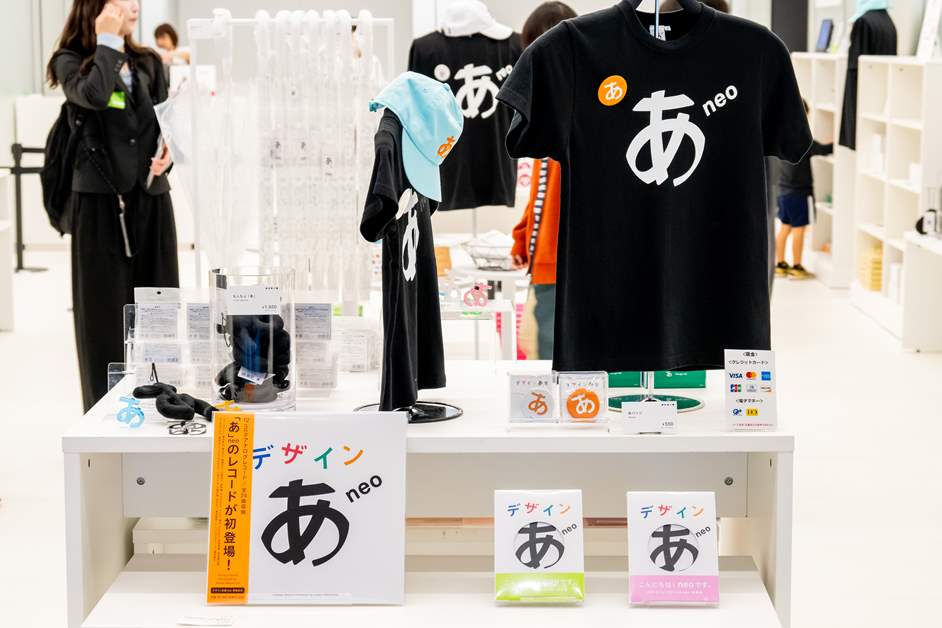
One of the highlights of visiting this exhibition is the “Design A Neo” merchandise. The special pop-up shop offers a variety of items that make perfect souvenirs. The original T-shirts and keychains are especially popular. We also recommend the vinyl record produced by Shuta Hasunuma, which features all 24 songs used in the show.
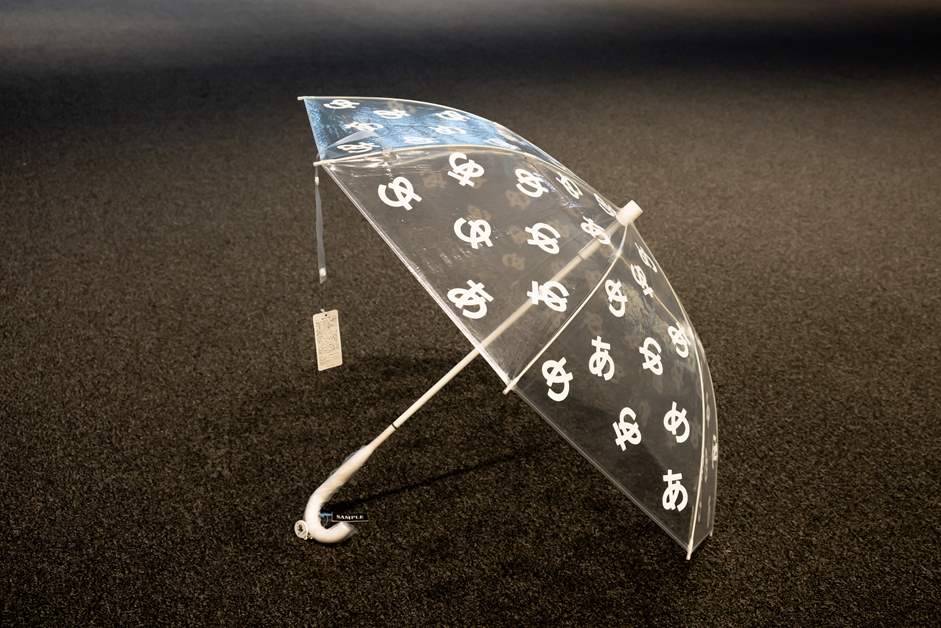
What makes it unique is the “Ame Blera,” which features the characters “あ” and “め.” It’s sure to turn heads on rainy days!
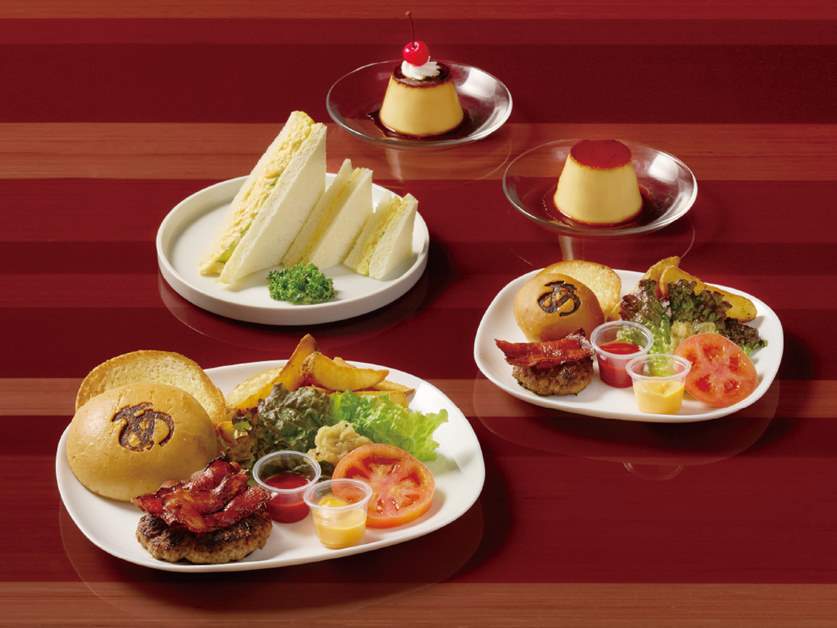
In addition, restaurants and cafés at Toranomon Hills—including “TOKYO NODE CAFÉ” on the 8th floor—are offering 15 special menu items to commemorate the “Design Ah Exhibition neo.” The photos below show sandwiches and puddings created in collaboration with “Oishisou!?” as part of the “Top, Sandwich, Eat Burger” series.
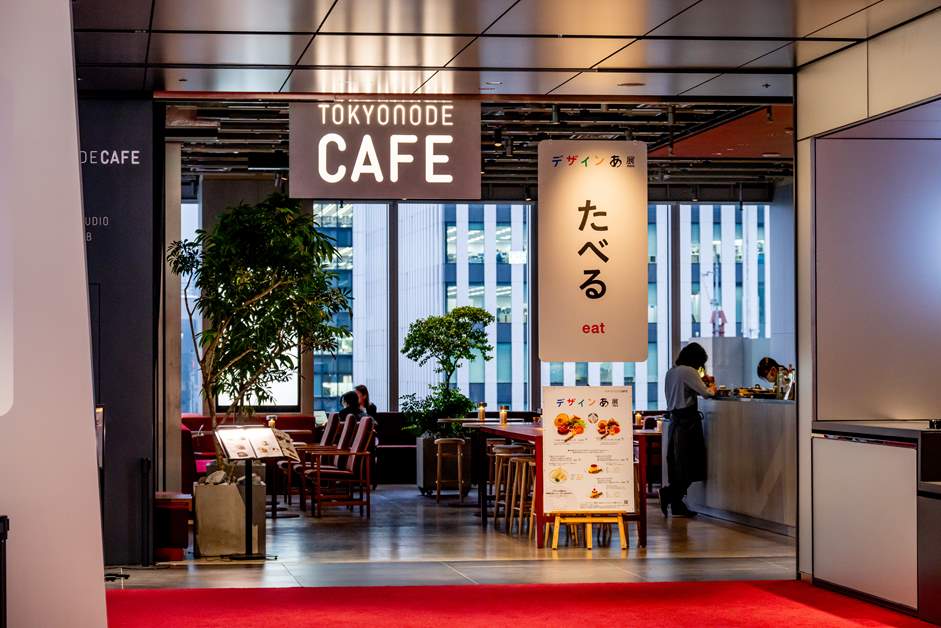
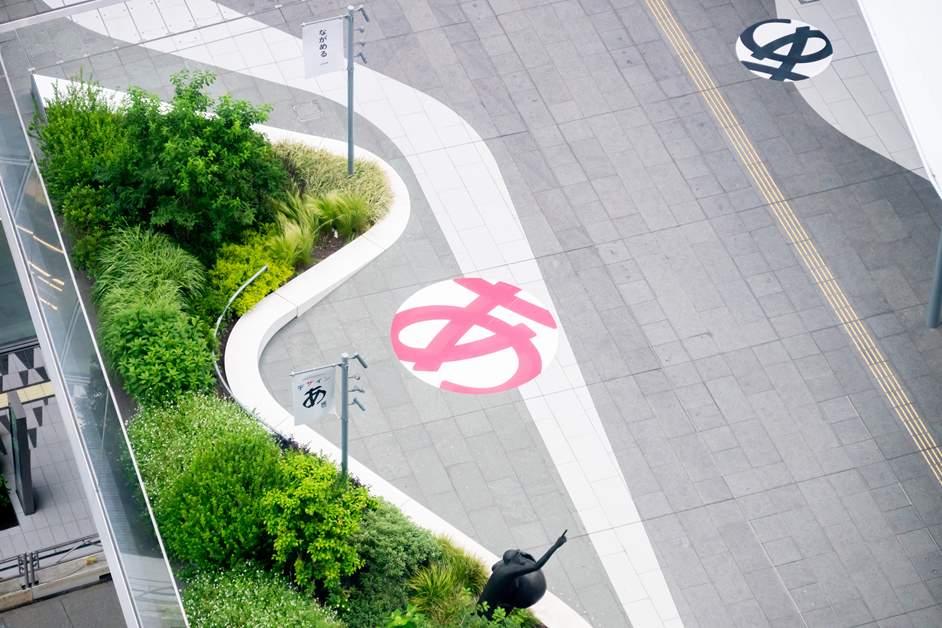
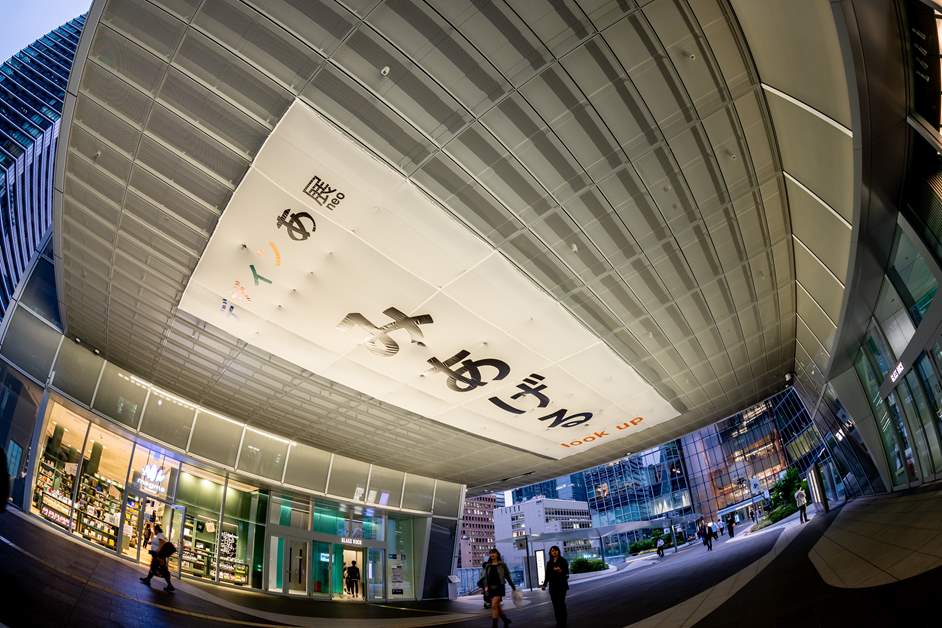
During the exhibition, the entire Toranomon Hills complex was transformed to reflect the “Design A Exhibition neo” theme. Everywhere I looked, I saw the letter “A” and promotional displays related to the theme of “action (verbs).”
“Design A Exhibition neo” is an exhibition that goes beyond simply appreciating design; it encourages visitors to move their bodies, think creatively, and—at times—laugh as they take a fresh look at the design found in everyday life. It’s an exhibition that everyone—children and adults alike—can enjoy. Ms. Masuda confidently recommended it, saying, “Feel free to speak out loud, and you’re welcome to take photos anywhere except in the designated no-photography areas. It’s a space designed for you to have fun. Since Toranomon Hills is in a business district, you might feel like the barrier to entry is a bit high, but that’s absolutely not the case—I hope you’ll feel free to come visit,” Ms. Masuda said, confidently recommending the exhibition. Design isn’t something special—it’s life itself. Why not come to the venue and experience that “realization” for yourself? For details on opening hours, ticket purchases, and more, please visit the official website below.
[Design A Exhibition Neo]
https://exhibition-ah-neo.jp/
https://exhibition-ah-neo.jp/