To the Future 100 Years from Now! The Complex Museum "MoN Takanawa: The Museum of Narratives" Opens
To the Future 100 Years from Now! The Complex Museum "MoN Takanawa: The Museum of Narratives" Opens
Translated from Japanese by
On March 28, 2026, coinciding with the grand opening of "TAKANAWA GATEWAY CITY," the complex museum "MoN Takanawa: The Museum of Narratives" opened its doors. With the grand mission of "connecting culture to the future 100 years from now," it is a facility that can be called a "nodal point" where culture, people, and ideas intersect, transmitting a new Japanese culture to the world through co-creation with diverse partners. We will share the full picture of this museum, which will become the new symbol of Takanawa.
The Spiral Architectural Beauty Woven by the Warmth of Wood and Plantings
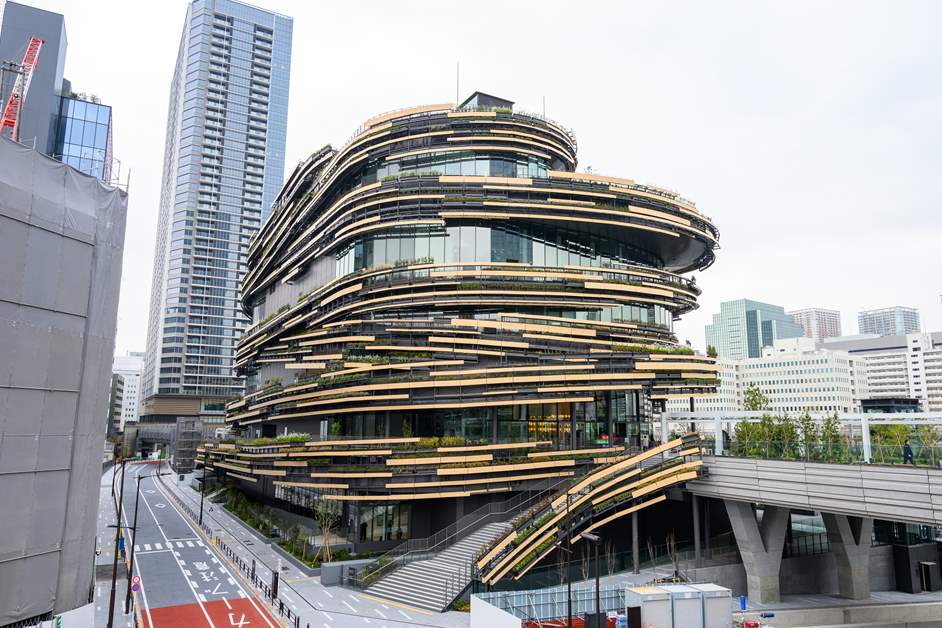
The facility is a low-rise building with 6 floors above ground, 3 floors below ground, and a height of approximately 45 meters
About a 5-minute walk from JR Takanawa Gateway Station along the deck within TAKANAWA GATEWAY CITY, an original building that seems to stretch spirally into the sky comes into view. The exterior design was handled by Kengo Kuma and Associates, a world-renowned architectural firm. Wood is used abundantly on the outer walls, and the green of the plantings is also impressive. It almost looks like a giant tree stump.
"Narratives" contains the intention to share stories and connect them to the future
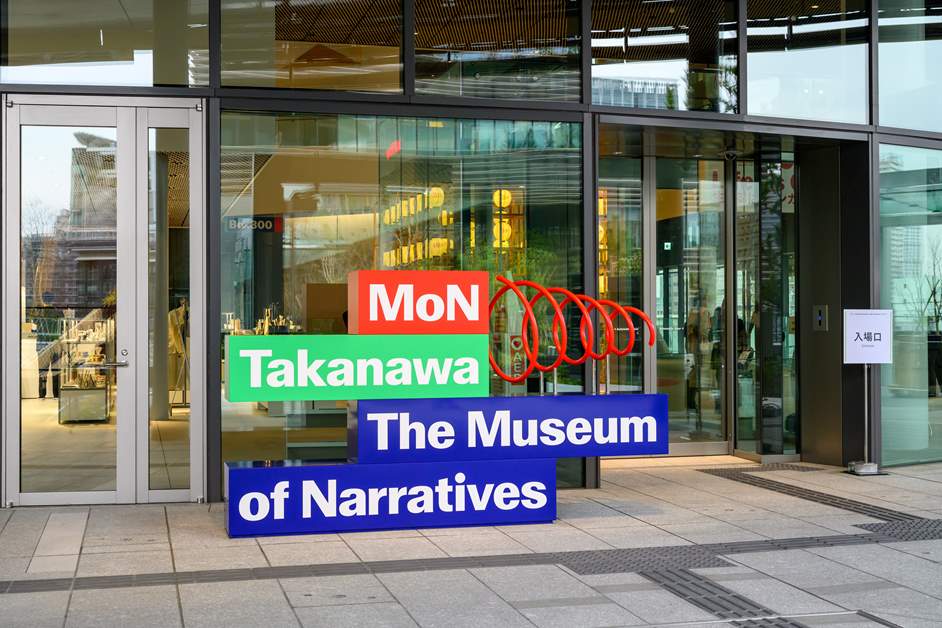
Displayed at the 2nd-floor entrance are the words "MoN Takanawa: The Museum of Narratives." "MoN" is said to encompass two meanings: "Mon" (Gate) as an entrance to a new world, and "Mon" (Question), which is necessary to live in the future.
The Entrance Lobby and Experimental Space Welcoming Visitors
The exhibition is for a limited time until April 17 (Fri)
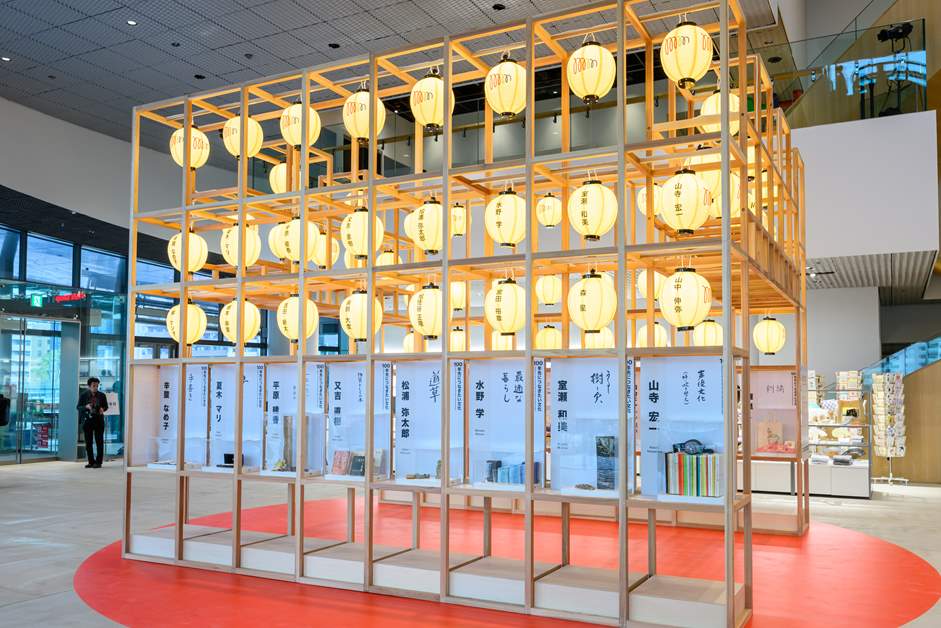
The museum holds exhibitions based on different themes twice a year. The opening commemorative theme is "To Live is Culture." The "Gate of Future Culture" installed in the entrance lobby asked 32 "culture creators," including artists, creators, and researchers representing modern Japan, "What culture do you want to leave for 100 years in the future?" and personal belongings and messages related to their answers are exhibited.
Perfect for Choosing Souvenirs for Yourself or Gifts for Loved Ones
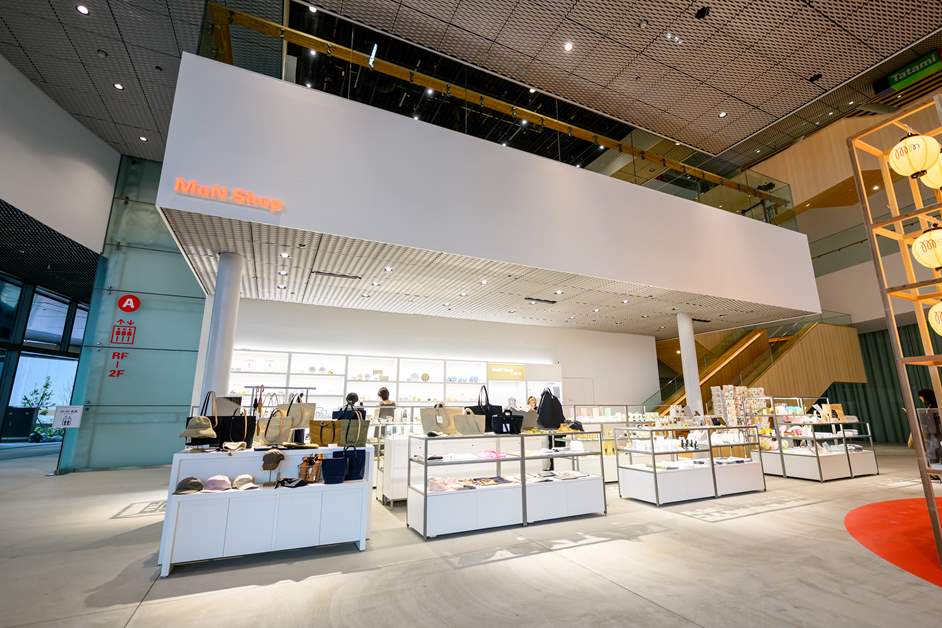
The 2nd floor also features a select shop managed by "Spiral Market." Excellent craft works and design goods from all over Japan, as well as MoN original tote bags, stationery, and unique keychains featuring motifs of Edo-period transit passes, are lined up.
Admission to the "Hirake Mon! Exhibition" is Free
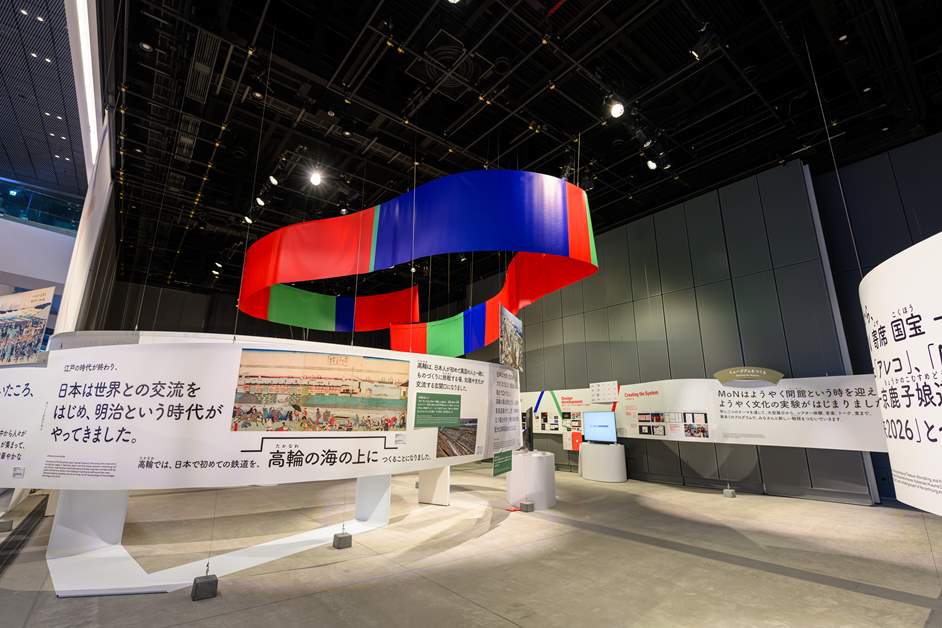
The approximately 300-square-meter event space "Box300" adjacent to the entrance lobby is an experimental space with a high degree of freedom. The "Hirake Mon! Exhibition: The Beginning of the Beginning," which unravels the history of Takanawa from a modern perspective, is being held until June 6 (Sat).
The "Labs" of Sky, Sea, and Earth, and a Terrace for Relaxation
"Sea Lab" Featuring Large Cushion Sofas
On the 3rd floor, there are three small exhibition spaces named "Sun Lab," "Land Lab," and "Sea Lab." Here, in addition to exhibitions, events and workshops are scheduled to be held. Each is themed around the sun, the earth, and the sea, which are the logo colors of "MoN."
You Can Also See the Shinkansen and Other Trains
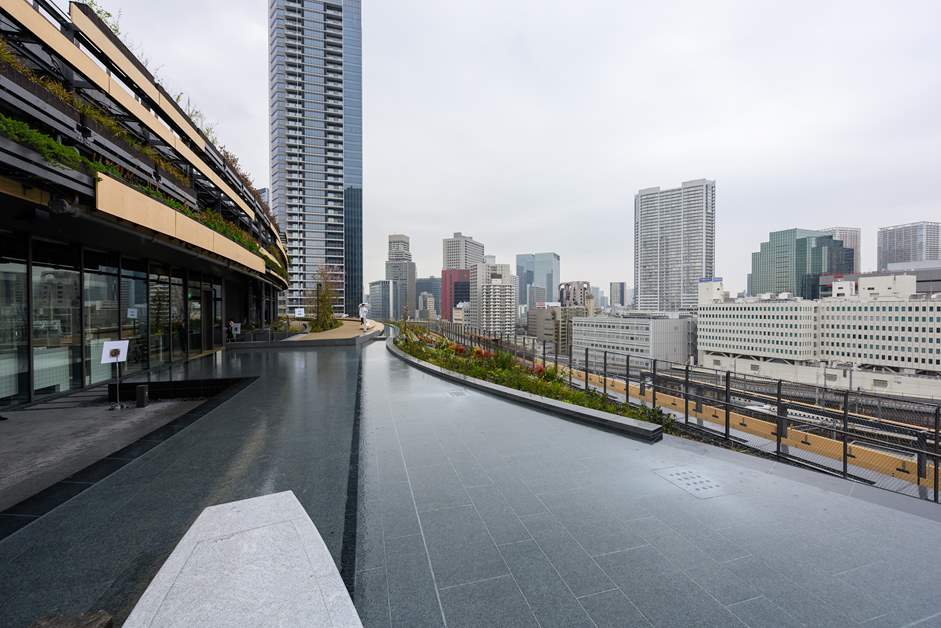
At the outdoor "Train Terrace," true to its name, you can watch trains such as the Yamanote Line and Keihin-Tohoku Line passing through Takanawa Gateway Station. Furthermore, a "Train Center" where trains are parked overnight spreads out below your eyes.
Serving Open Sandwiches, Stewed Meatballs, and More
If you get hungry, head to "MoN Kitchen" on the same floor. The spacious interior, which has 78 seats indoors and outdoors combined, is produced by "Spiral Cafe," and you can enjoy a wide menu ranging from carefully selected natural wines and seasonal mocktails to hearty meat dishes and delicate desserts.
Perfect for a Short Break
Next to the kitchen, there are stair-like bench seats leading to the "Land Lab," creating an open space where you can freely sit, read a book, enjoy chatting with friends, and spend time as you please.
A Luxurious Space of About 100 Tatami Mats Reusing Used Tea Leaves
Traditional Japanese Instruments Were Played During the Opening
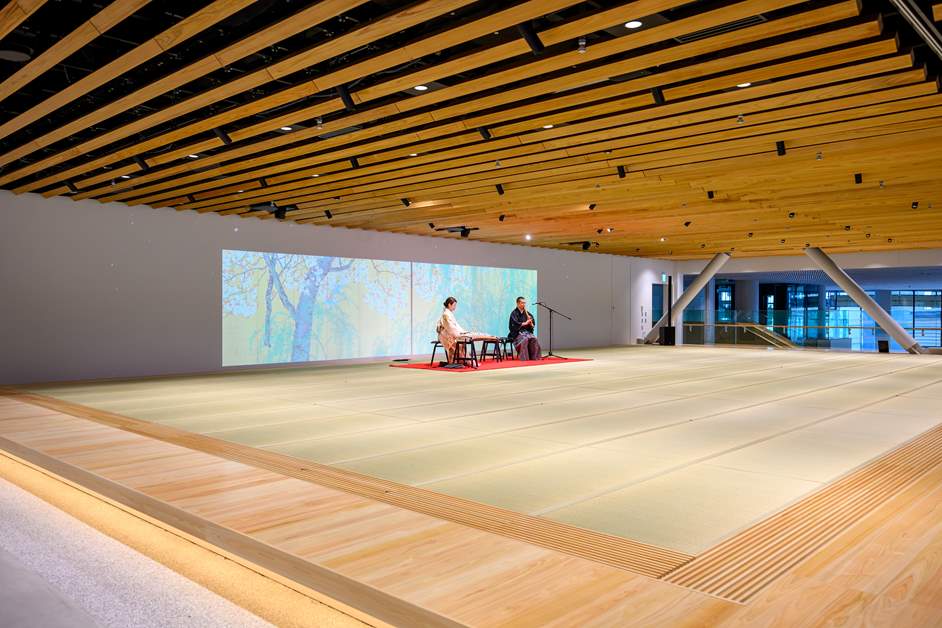
Going up to the 4th floor, a vast tatami space of about 100 tatami mats, "Tatami," appears. Here, events that make use of the tatami setting are held, such as performances of traditional Japanese instruments, rakugo (comic storytelling), daikagura (traditional acrobatics and juggling), and public flower arranging.
"Sarari Tatami" with Comfortable Cushioning
In "Tatami," they use "Used Tea Leaf Blended Tatami/Sarari Tatami," which reuses the tea leaves generated during the manufacturing process of Ito En's "Oi Ocha." It uses tea leaves equivalent to about 53,000 plastic bottles and has deodorizing and antibacterial properties.
"Guruguru Exhibition" Where You Can Experience the Evolution and Circulation of Humanity
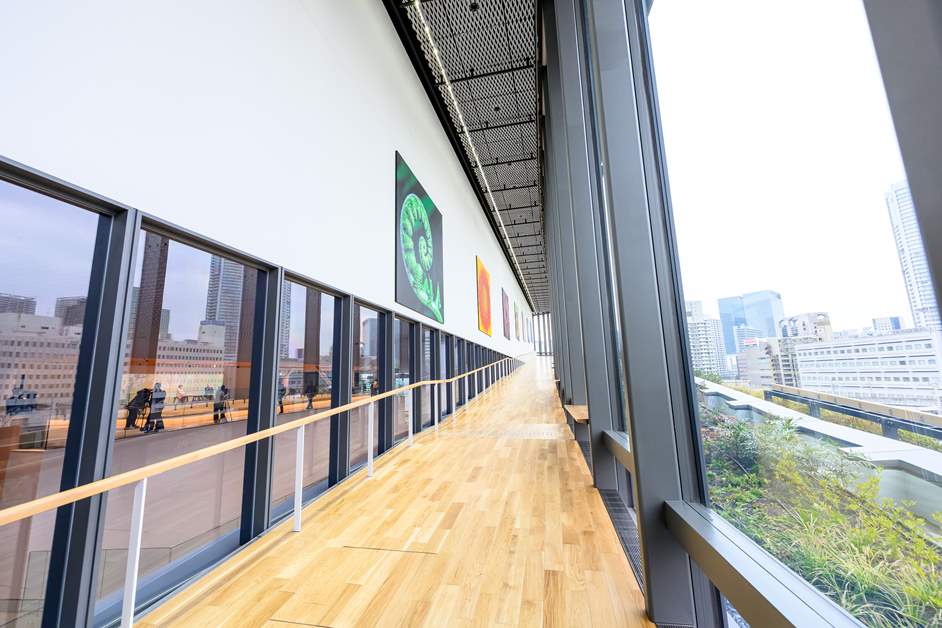
A Slope Decorated with Artwork
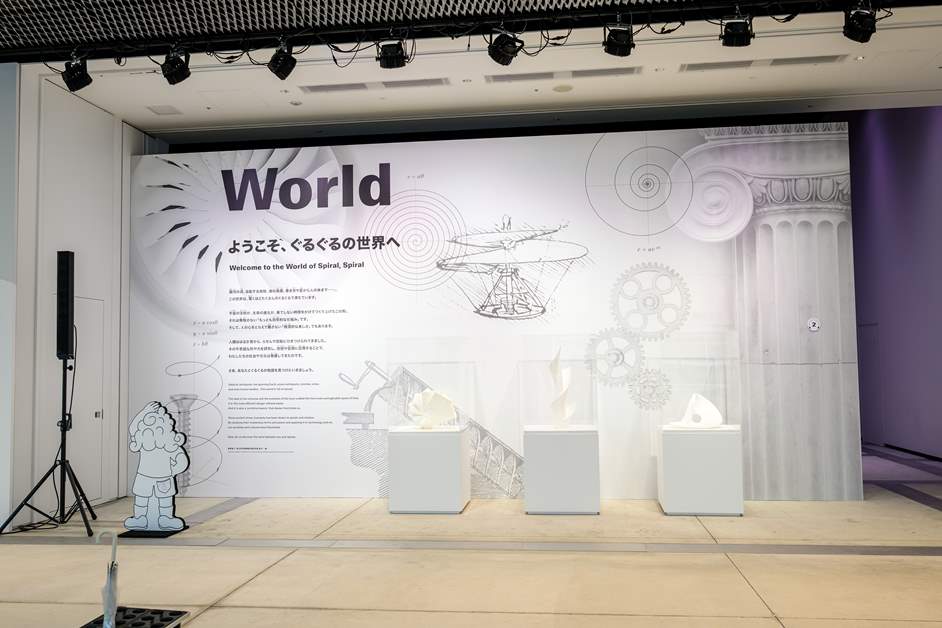
Climbing a gentle slope from the 4th floor, you arrive at the event space "Box1500," which boasts the largest area in the building at approximately 1,500 square meters. Here, as an opening commemorative special exhibition, the "Guruguru Exhibition: The Story of Continuously Evolving Humanity" is being held until September 23 (Wed, Holiday).
Works by Over 20 Artists Are Exhibited
The word "Guruguru" (Round and Round) incorporates the meaning of "spiral," which is also evident in the museum's architectural design. About 100 items featuring more than 50 types of "Guruguru" themes are gathered at the venue. You will tour the exhibition guided by the voices of the audio guide characters, UZU and Meguru.
Koichiro Azuma "Jirensha -Eight Wheels-"
A three-dimensional work where countless bicycle wheels rotate in conjunction. It visualizes how human power is transmitted.
The Exhibition Consists of 6 Chapters in Total
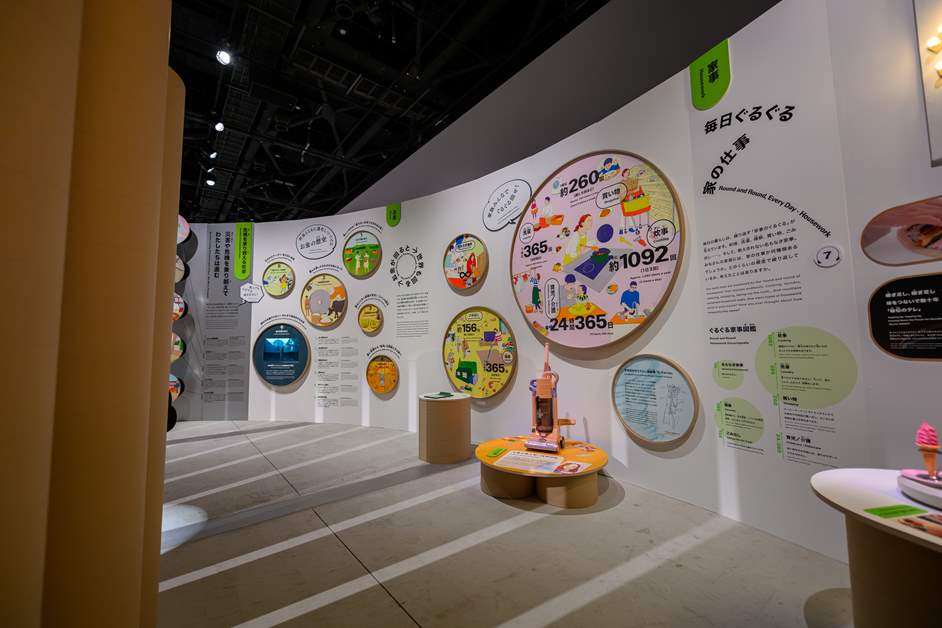
The "Guruguru Housework Picture Book," which quantifies daily housework using a giant calculator, makes us realize that the casual repetition of daily life is also a culture.
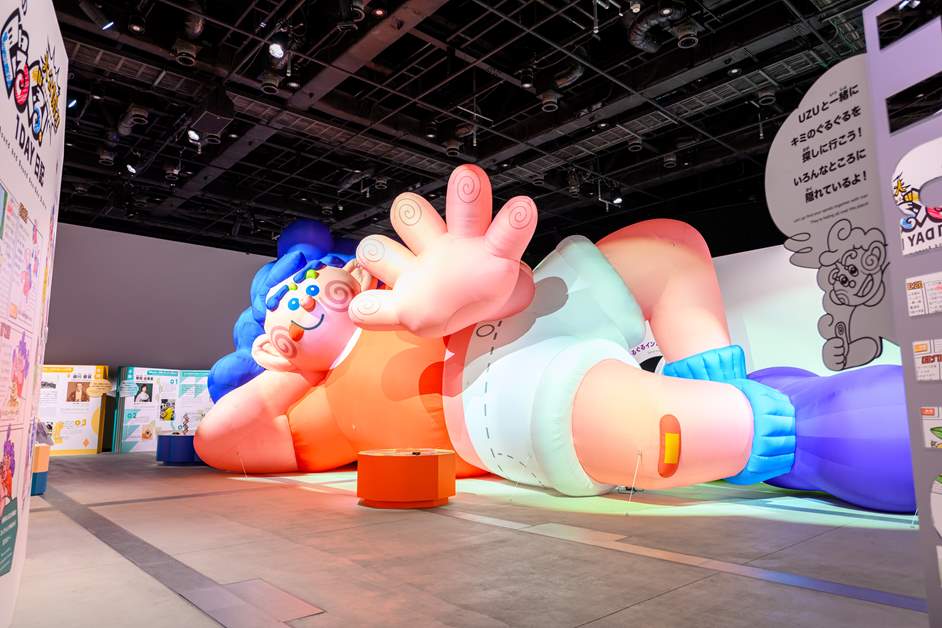
UZU Character Design: nanao
Inside the venue is a large balloon, "Big UZU." You definitely want to take a picture of this unique lying-down character.
Goods Are Recycled from Non-Standard and Unnecessary Items
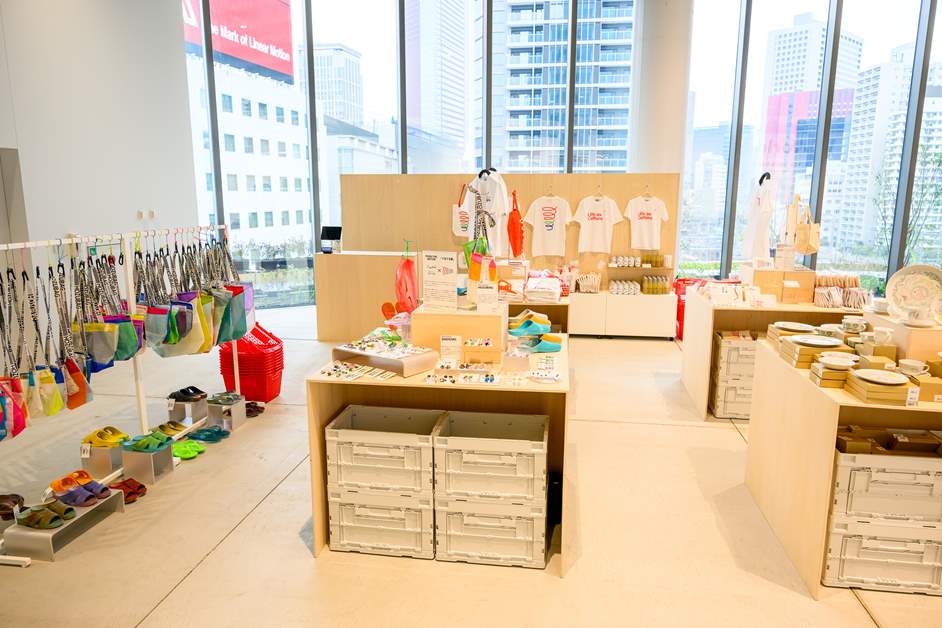
The "Guruguru Exhibition" also features a goods shop. Items collaborating with the select recycle shop PASS THE BATON, such as T-shirts, bags, and sandals, are lined up.
A Healing Garden Where You Can Soak in Hot Water and Be Embraced by Moonlight
Taking a Breather at the Footbath Terrace
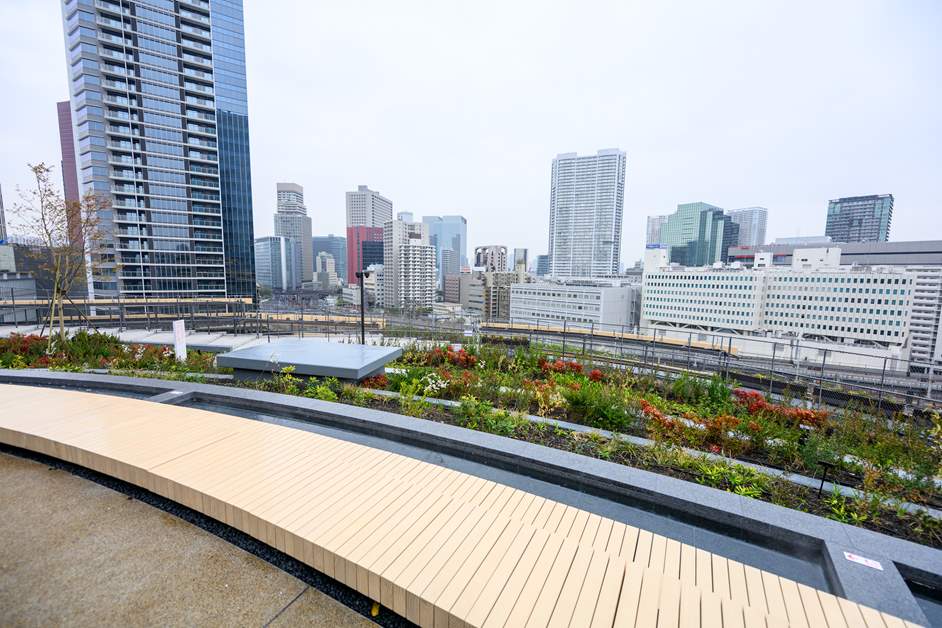
The "Footbath Terrace" located in the 6th-floor garden is a relaxation spot where you can gaze at the sky and cityscape of Minato City while soaking your feet in water heated using solar heat. The space, surrounded by plants and trees, allows you to directly feel the sound of the wind and the scents of the seasons, surely helping to unwind both mind and body.
Hosting Seasonal Events Like Cherry Blossom Viewing and Moon Viewing
During the Edo period, the coast of Takanawa was a beautiful place, famous for moon viewing and even depicted in ukiyo-e prints. The "Moon Viewing Terrace" located in a corner of the garden incorporates the wavering of the moon reflected on the water surface into its design. The stepping stones at your feet use real stones from the "Takanawa Embankment," which was built when Japan's first railway opened in 1872. While touching the stones that supported the modernization of the Meiji era, why not let your thoughts turn to the former coastline?
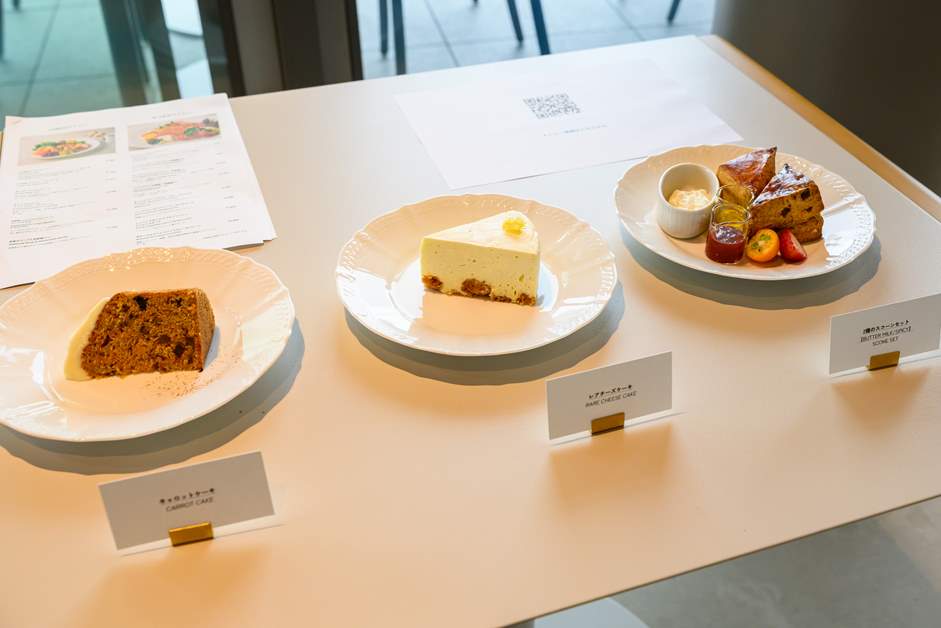
From Left: Carrot Cake, Rare Cheesecake, and Scone Set
"LAUBE," adjacent to the garden, is a rooftop restaurant meaning "hut in the shade of leaves" in German. It offers dishes that abundantly use seasonal ingredients from various regions along the JR East railway lines, plates and soups centered on vegetables and grains, homemade sweets like cakes and baked goods, and craft drinks.
A Tranquil Rooftop Where Local Deities and Nature Coexist
A Vermilion Torii Gate Stands in Front of the Shrine
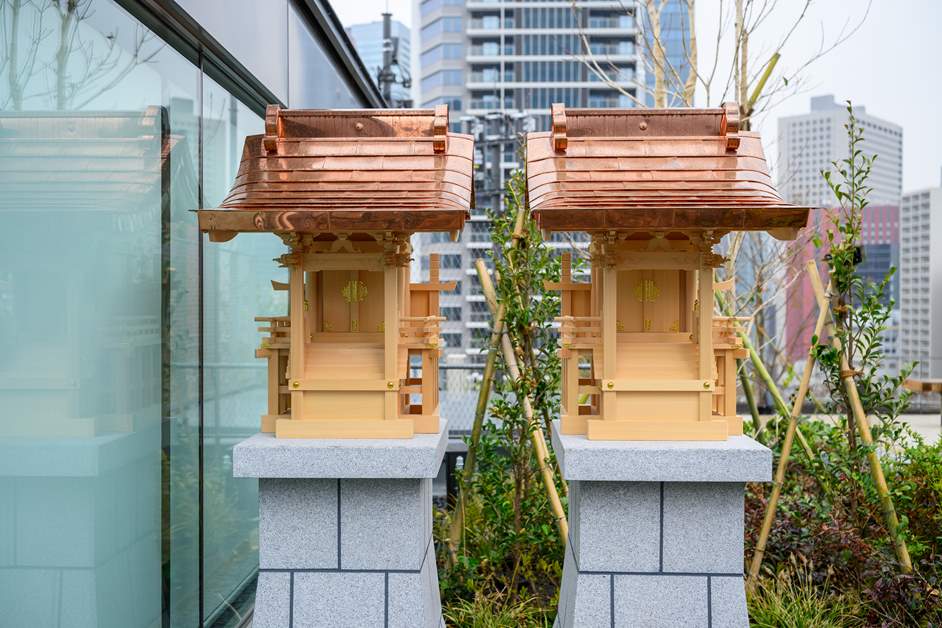
Walk up the stairs from the 6th floor. "MoN Shrine" is enshrined at the very top of the facility. It enshrines deities separately transferred from the local guardian shrines "Takanawa Shrine" and "Mita Hachiman Shrine," quietly watching over the safety and prosperity of this newly born city.
"MoN Farm" Where Vegetables and Herbs Are Grown
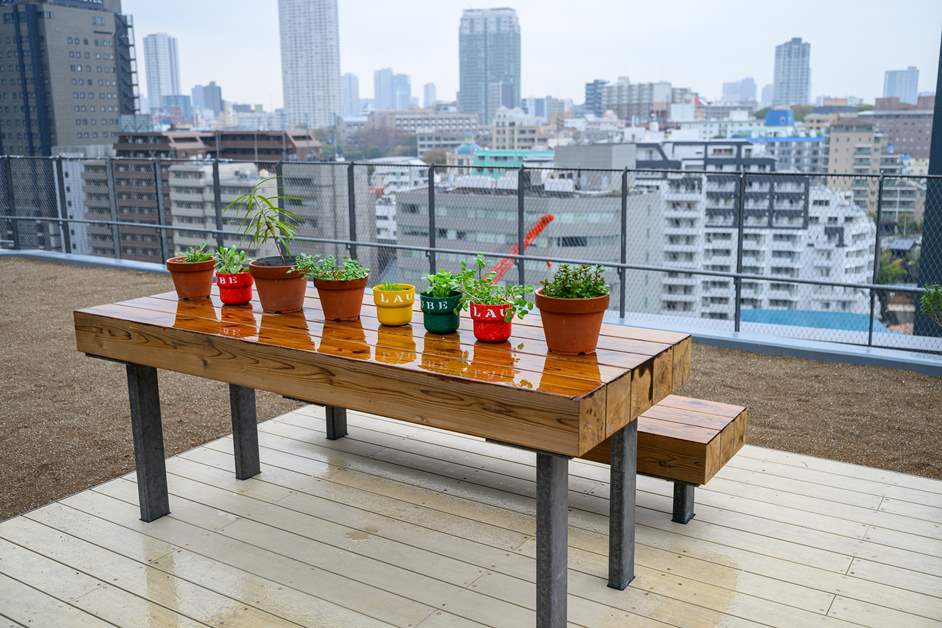
The rooftop "MoN Farm" plans to grow herbs, vegetables, and seasonal flowers. It looks like it will become a spot where you can feel the circulation of the ecosystem up close while being in the middle of the city. Additionally, the rooftop features a "Hanami (Cherry Blossom Viewing) Terrace" where 7 types of cherry blossoms bloom proudly in turn come spring, allowing you to enjoy the transition of Japan's four seasons throughout the year.
A 1st-Floor Cafe and a Theater of the Future Spreading Underground
Serving Coffee, Smoothies, Light Meals, and More
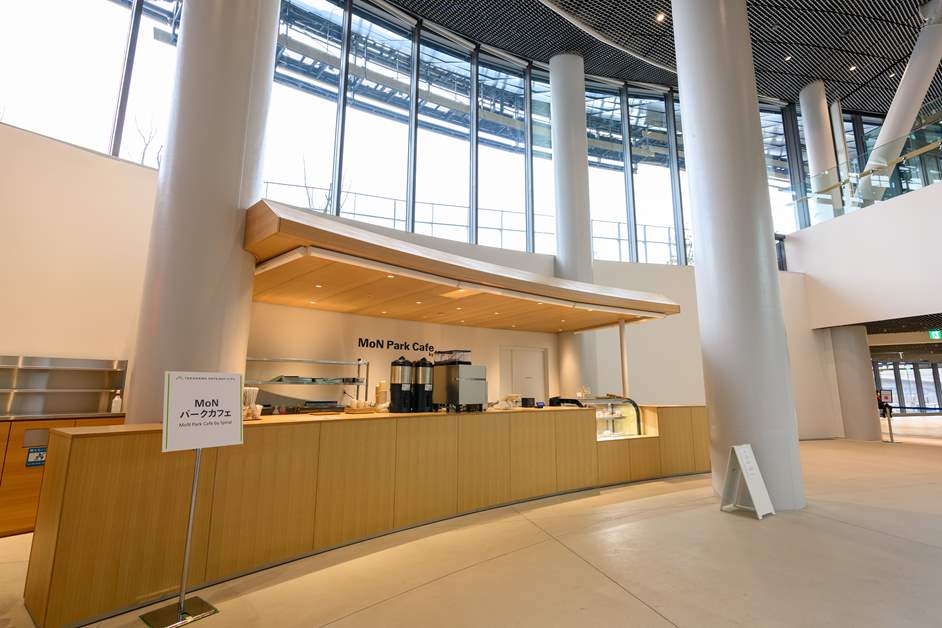
From the rooftop down to the 1st floor. Here, the "MoN Park Cafe," adjacent to a park, is open for business. It is a primarily takeout cafe where people living or working nearby can drop in casually. From the park that will be developed in the future, it is said that you will be able to overlook the "Takanawa Embankment Ruins," which were built so that the railway could run over the sea.
Can Accommodate a Maximum of 1,048 Seats and up to 2,000 People Standing
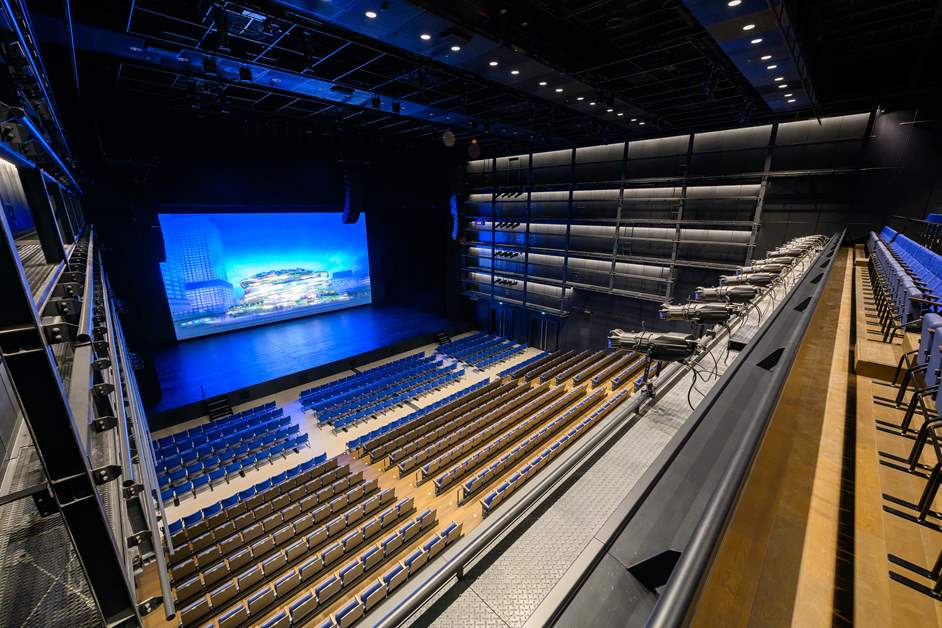
One of the main attractions of the museum is the huge theater space spreading from the 1st basement floor to the 3rd floor. In "Box1000," which has LEDs installed all over the stage, the live performance "MANGALOGUE: Phoenix," a reinterpretation of Osamu Tezuka's immortal masterpiece from a new perspective, is currently being held until May 16 (Sat).
The Library, Currently Under Preparation Because It Just Opened
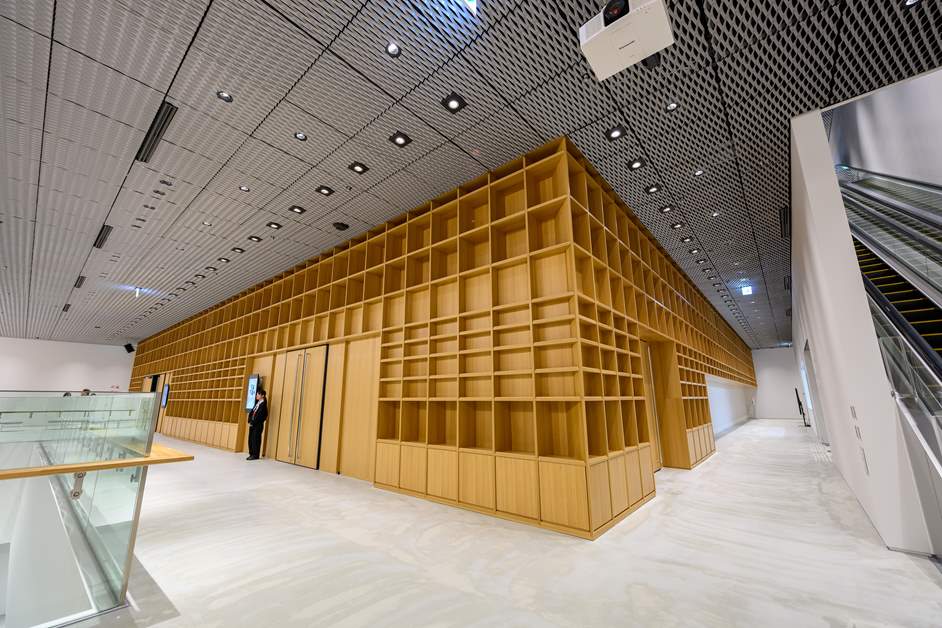
The theater also has a "Library" where one entire wall has become a giant bookshelf. Books and goods related to ongoing programs and artists are scheduled to be exhibited.
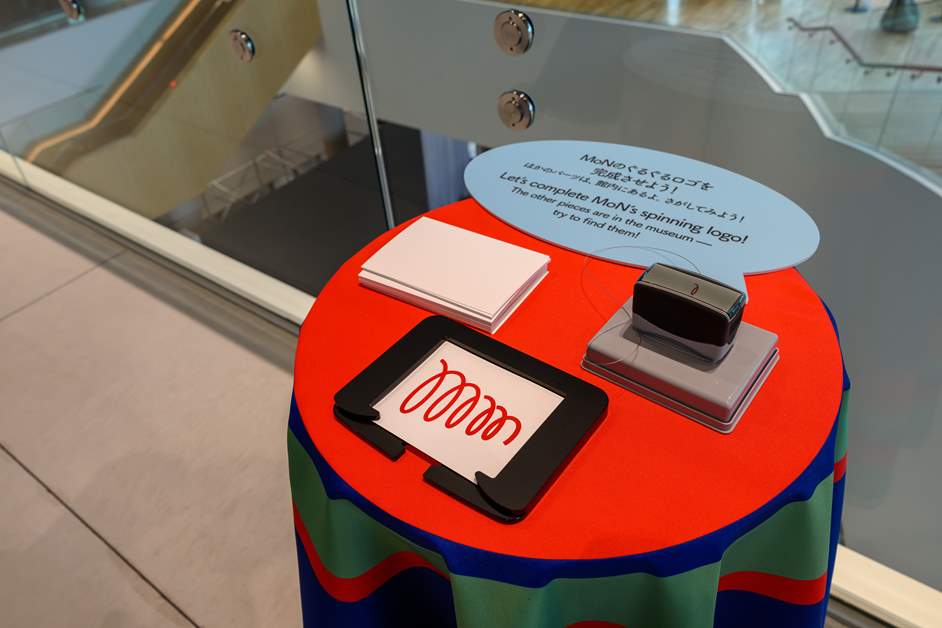
A Stamp Rally Featuring Logo Marks Set Up at 3 Locations in the Building
From tatami mats imbued with the scent of used tea leaves to exhibitions conveying the circulation of people, to healing spots conveying history at your feet, "MoN Takanawa: The Museum of Narratives" was a place that lets you feel the "heat" of the moment when a new culture is born through the mixing of past and future, and diverse values. Going forward, it is likely to be bustling with many people as a cultural spot accessible from Takanawa Gateway Station. During the pleasant early summer season, why not try walking through the "Gate" of this new museum?
《MoN Takanawa: The Museum of Narratives》 Location: Inside TAKANAWA GATEWAY CITY, 3-16-1 Mita, Minato-ku, Tokyo Opening Hours: 10:00 - 21:00 * Varies depending on programs and individual stores. Closed: 2nd Tuesday of every month * For fiscal year 2026, it will be open on the 2nd Tuesday of April, May, and August, and will be closed on August 18 (Tue) * For other details, please check the official website below. https://montakanawa.jp/