



The Deep Appeal of Lacrosse and Key Highlights of the 2026 Women’s World Championship
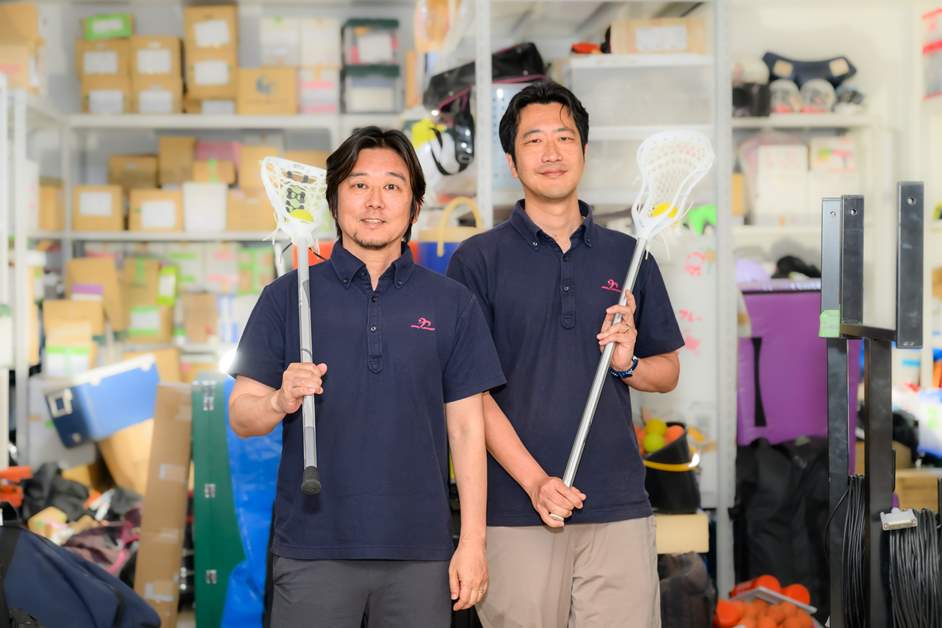
From Friday, July 24, 2026, through Sunday, August 2, 2026, the “Nissin Foods 2026 WORLD LACROSSE Women’s World Championship” will be held in Tokyo. This marks the first time in approximately 30 years that a world lacrosse championship will be held in Japan. With the men’s world championship scheduled for the following year in 2027 and lacrosse set to return as an official sport at the 2028 Los Angeles Olympics for the first time in 120 years, the sport is currently attracting significant attention. Serving as a stepping stone to these developments, the Women’s World Championship will feature pool play (qualifying rounds) and playoffs (knockout rounds) at Oi Hockey Stadium. The semifinals and finals will take place at Chichibunomiya Rugby Stadium in Minato Ward. From the basics of lacrosse—a sport that’s currently generating so much buzz—to the highlights of the tournament, Haruyoshi Mogi, Secretary General of the Minato City Tourism Association, spoke with Taro Endo and Taichi Furuya, Co-Chairs of the Organizing Committee and representatives of the Japan Lacrosse Association.
Sports with Roots in Indigenous Cultures
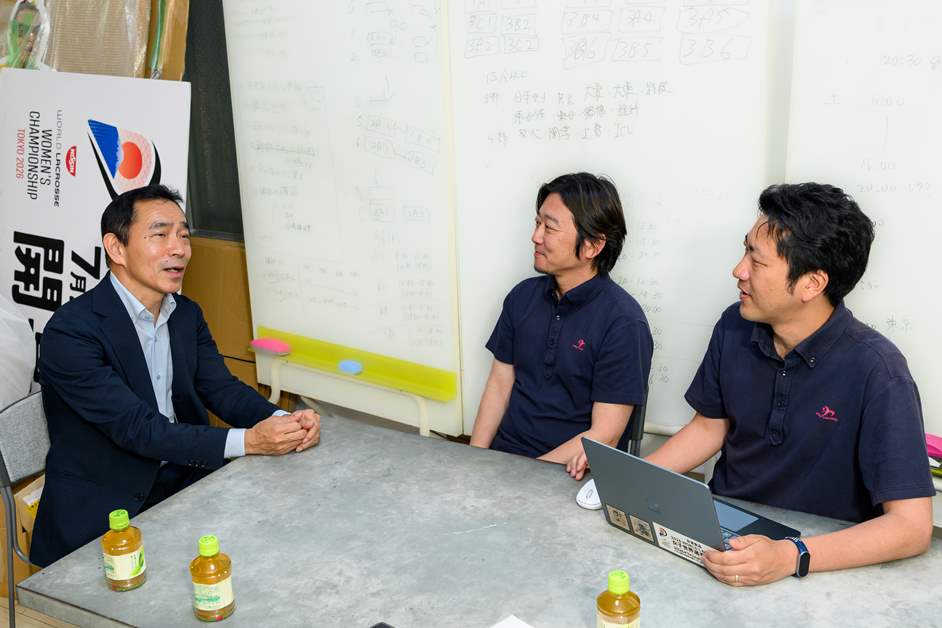
Haruyoshi Mogi (hereinafter referred to as Mogi): “Thank you for taking the time to meet with us today despite your busy schedule. Lacrosse in Japan took root in 1986 when students from Keio University consulted with the U.S. Embassy. Since both the Keio University campus and the U.S. Embassy are located in Minato Ward, we consider Minato Ward to be the birthplace of lacrosse in Japan. First, I’d like to ask you about the appeal of lacrosse as it relates to Minato Ward.”
Taro Endo (hereinafter referred to as Endo): “The most distinctive feature of lacrosse is that it is a sport originating from the Native Americans of North America. It is said that French missionaries who settled in the Americas discovered a ritual that had long been performed to resolve disputes between tribes and transformed it into a competitive sport. Compared to other sports, it is quite rare for a sport to have its roots in Indigenous culture. Furthermore, the history of its development differs between men’s and women’s lacrosse. While men’s lacrosse developed primarily in North America in a form similar to American football and ice hockey, women’s lacrosse developed mainly in Europe—particularly in Scotland—as a sport enjoyed by girls at boarding schools, taking a form similar to field hockey. As a result, even though they are both lacrosse, the rules for men and women are distinctly separate, and it’s fascinating that each has its own unique highlights.”
Taro Endo (hereinafter referred to as Endo): “The most distinctive feature of lacrosse is that it is a sport originating from the Native Americans of North America. It is said that French missionaries who settled in the Americas discovered a ritual that had long been performed to resolve disputes between tribes and transformed it into a competitive sport. Compared to other sports, it is quite rare for a sport to have its roots in Indigenous culture. Furthermore, the history of its development differs between men’s and women’s lacrosse. While men’s lacrosse developed primarily in North America in a form similar to American football and ice hockey, women’s lacrosse developed mainly in Europe—particularly in Scotland—as a sport enjoyed by girls at boarding schools, taking a form similar to field hockey. As a result, even though they are both lacrosse, the rules for men and women are distinctly separate, and it’s fascinating that each has its own unique highlights.”
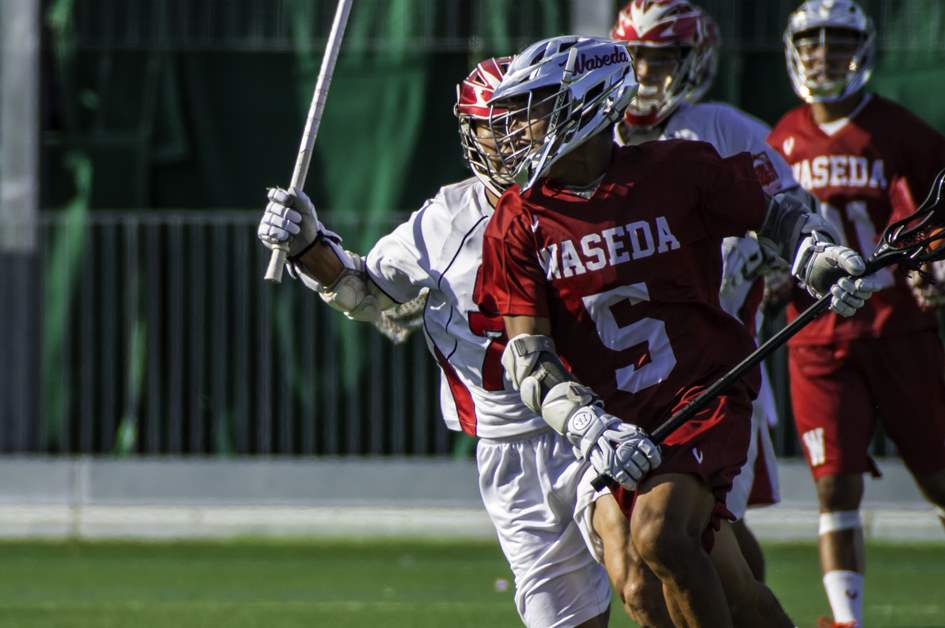
Taichi Furuya (hereinafter referred to as Furuya): “While men are allowed intense physical contact as long as they’re properly equipped with protective gear such as helmets and shoulder pads, women are required to wear only eye protection, and excessive contact results in a foul. The length of the sticks (crossticks) also varies by position for men, but for women, they are basically all the same length. It might be fair to think of this as a different sport for men and women.”
Endo: “The common appeal of the sport lies in the fact that it makes full use of physical abilities such as running, throwing, and fielding. It’s also a sport with a high level of tactics and strategy, as players can utilize the space behind the goal, much like in ice hockey. Since roles vary significantly by position, there are always opportunities to leverage individual physical abilities and areas of strength, and I think that’s what makes it wonderful—it allows a diverse range of players to excel.”
Endo: “The common appeal of the sport lies in the fact that it makes full use of physical abilities such as running, throwing, and fielding. It’s also a sport with a high level of tactics and strategy, as players can utilize the space behind the goal, much like in ice hockey. Since roles vary significantly by position, there are always opportunities to leverage individual physical abilities and areas of strength, and I think that’s what makes it wonderful—it allows a diverse range of players to excel.”
Mogi: “Having watched lacrosse in person, I find not only the speed and skill of the play itself appealing, but I’ve also come to appreciate the high level of strategy involved in the sport. It’s also fascinating to see the team come together as one to prepare for games through scouting and tactical planning. I feel this is a sport where staff members—beyond just the players—are deeply involved with the team.”
Endo: “You’re absolutely right. In recent years, there’s been a rapid increase in team staff members specializing in analysis—collecting statistical data and tagging video footage. Thanks to advances in digital tools, more students are joining college lacrosse teams out of an interest in analysis, even if they don’t play themselves. In addition to managers and trainers, a new role—analysis—has emerged, creating an environment where every team member can find their own niche to shine.”
Furuya: “Lacrosse has long had an important culture of ‘creating our own playing field.’ Setting up the venue for games, marking the lines, and officiating are all tasks that players and team staff generally carry out collaboratively. Because this culture of self-management—where we prepare our own environment without excessive interference from others—is so deeply rooted, there are many people across the country who continue to volunteer in coaching and management roles even after entering the workforce. In fact, nearly all of the current management members of the Japan Lacrosse Association are people who were active as players, team staff, or referees during their college days and have continued to be involved in lacrosse as administrators.”
Endo: “You’re absolutely right. In recent years, there’s been a rapid increase in team staff members specializing in analysis—collecting statistical data and tagging video footage. Thanks to advances in digital tools, more students are joining college lacrosse teams out of an interest in analysis, even if they don’t play themselves. In addition to managers and trainers, a new role—analysis—has emerged, creating an environment where every team member can find their own niche to shine.”
Furuya: “Lacrosse has long had an important culture of ‘creating our own playing field.’ Setting up the venue for games, marking the lines, and officiating are all tasks that players and team staff generally carry out collaboratively. Because this culture of self-management—where we prepare our own environment without excessive interference from others—is so deeply rooted, there are many people across the country who continue to volunteer in coaching and management roles even after entering the workforce. In fact, nearly all of the current management members of the Japan Lacrosse Association are people who were active as players, team staff, or referees during their college days and have continued to be involved in lacrosse as administrators.”
The World Championships in Japan—the first in about 30 years
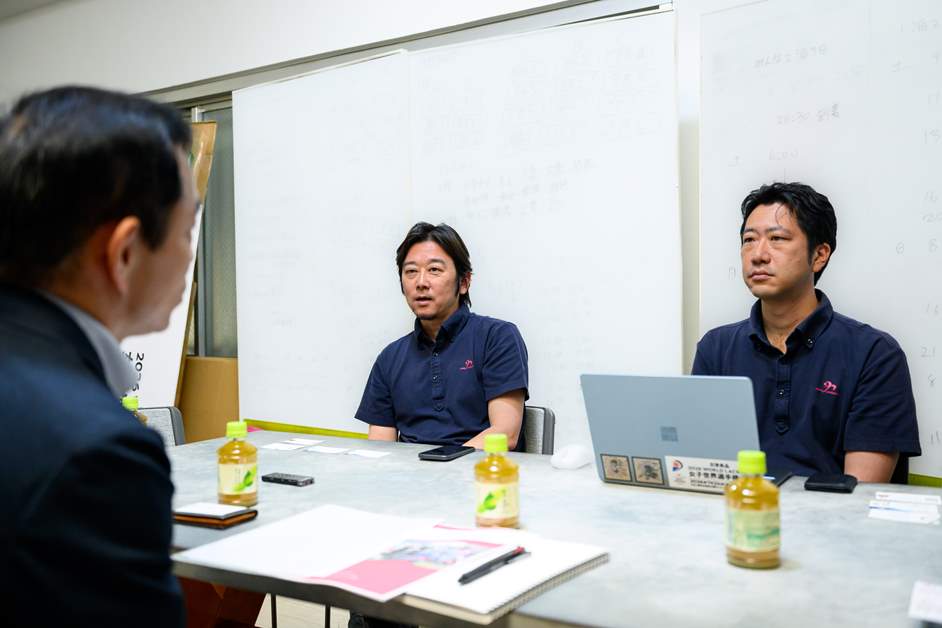
Mogi: “Thanks to the passionate efforts of people like you, the Women’s World Championships—the first to be held in Tokyo in about 30 years—will take place here. Please tell us about the process leading up to securing the bid and your current thoughts.”
Furuya: “Actually, following the 2026 Women’s World Championships, we are also aiming to host the Men’s World Championships in Tokyo in 2027. Hosting the World Championships in Japan has been a long-cherished goal of ours for over 10 years. Although the Women’s World Championships were once held at the Edogawa Ward Athletic Stadium in Japan in 1997, I’ve heard that at that time, there were still few participating nations, and the atmosphere was very idyllic. Since then, the number of teams worldwide has grown, and at one point, the men’s tournament became a massive event with 46 teams competing, making it extremely difficult for Japan to host. However, with the introduction of continental qualifiers this time around—which has narrowed the field for the main tournament to 16 teams—the path to hosting the event in Japan has opened up once again. Japan joined the International Lacrosse Federation early on and has grown over the years thanks to the generous support of overseas teams and lacrosse stakeholders. As a way of giving back, there has been a strong desire to showcase the remarkable growth of the Japanese lacrosse community to the world, which is why preparations to host the tournament have been moving forward at a rapid pace.”
Furuya: “Actually, following the 2026 Women’s World Championships, we are also aiming to host the Men’s World Championships in Tokyo in 2027. Hosting the World Championships in Japan has been a long-cherished goal of ours for over 10 years. Although the Women’s World Championships were once held at the Edogawa Ward Athletic Stadium in Japan in 1997, I’ve heard that at that time, there were still few participating nations, and the atmosphere was very idyllic. Since then, the number of teams worldwide has grown, and at one point, the men’s tournament became a massive event with 46 teams competing, making it extremely difficult for Japan to host. However, with the introduction of continental qualifiers this time around—which has narrowed the field for the main tournament to 16 teams—the path to hosting the event in Japan has opened up once again. Japan joined the International Lacrosse Federation early on and has grown over the years thanks to the generous support of overseas teams and lacrosse stakeholders. As a way of giving back, there has been a strong desire to showcase the remarkable growth of the Japanese lacrosse community to the world, which is why preparations to host the tournament have been moving forward at a rapid pace.”

Endo: “Even members of the generation that has been leading the lacrosse movement for the past 30 years—who are now approaching 60—are reaching out to us as volunteers, saying, ‘I’ll help out too.’ To live up to their expectations, I feel a strong sense of responsibility to ensure the tournament is a success. However, World Lacrosse (the International Lacrosse Federation) is still in the process of finalizing the tournament format, and unlike other major sports, there isn’t a strict operational manual in place. Rules and requirements often change along the way, so even though we’re feeling our way through and facing challenges, we’re working together to build the tournament by making counterproposals and collaborating.”
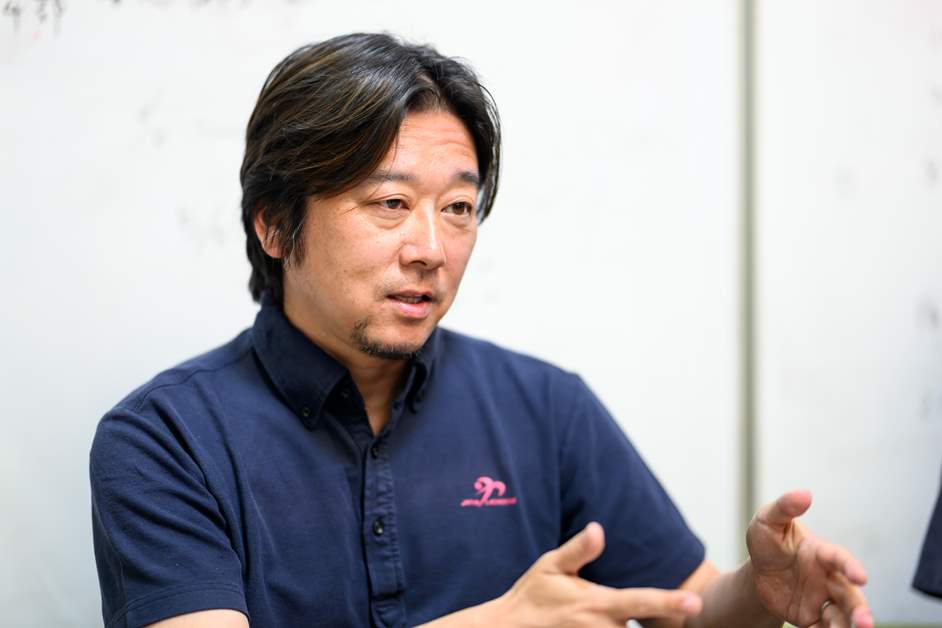
Mogi: “I hear that 16 teams are participating in this tournament, which will run from the preliminary rounds all the way through the placement matches. Could you tell us what the highlights of the tournament are for people watching lacrosse for the first time?”
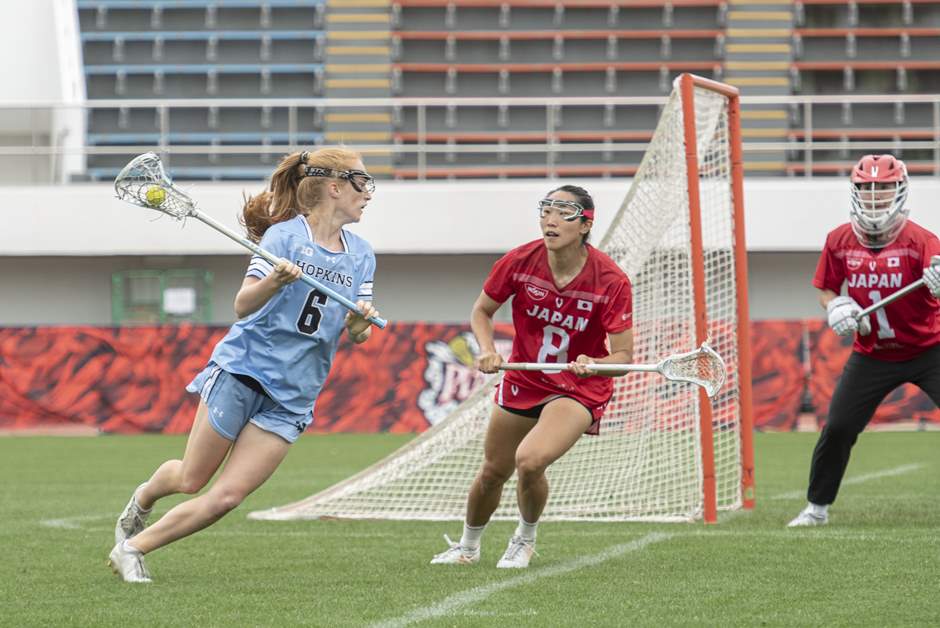
Endo: “First, one of the unique attractions of a single-city tournament is that if you come to the main venue, Oi Hockey Stadium, and purchase a single-day pass, you’ll have the great advantage of being able to watch up to 12 teams—representing various countries and regions from around the world—play lacrosse all at once, depending on the day. In terms of the gameplay, women’s lacrosse is particularly fast-paced. Compared to men’s lacrosse, passes connect more easily, and the game often involves many players touching the ball, so you can’t take your eyes off where the ball is. It’s a spectacular sport, and since world-class athletes are competing for their countries’ pride, I think you’ll be amazed by the overwhelming speed and intensity.”
Endo: “First, one of the unique attractions of a single-city tournament is that if you come to the main venue, Oi Hockey Stadium, and purchase a single-day pass, you’ll have the great advantage of being able to watch up to 12 teams—representing various countries and regions from around the world—play lacrosse all at once, depending on the day. In terms of the gameplay, women’s lacrosse is particularly fast-paced. Compared to men’s lacrosse, passes connect more easily, and the game often involves many players touching the ball, so you can’t take your eyes off where the ball is. It’s a spectacular sport, and since world-class athletes are competing for their countries’ pride, I think you’ll be amazed by the overwhelming speed and intensity.”
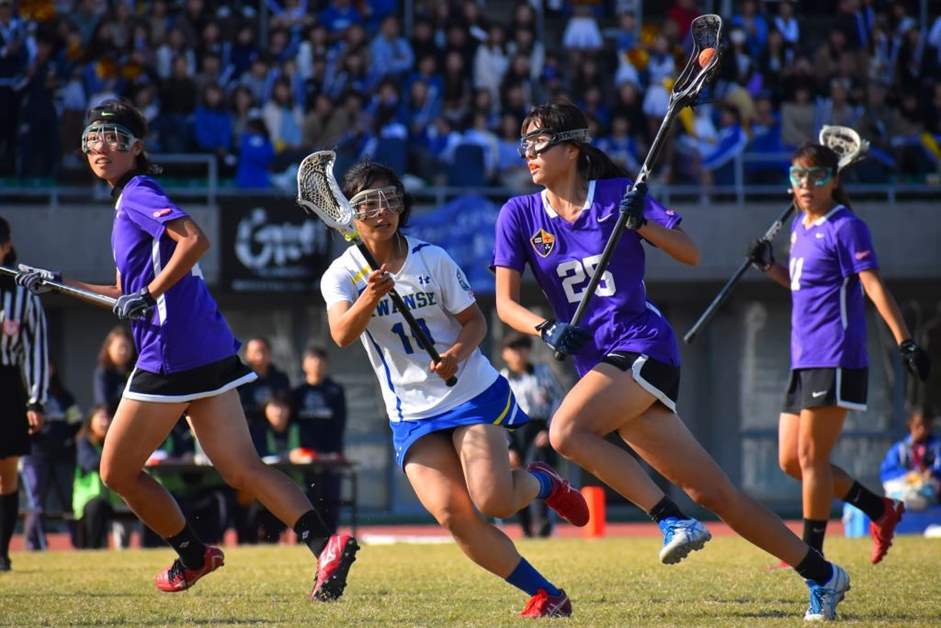
Furuya: “There are few opportunities in Japan to see the world’s top teams—such as those from the U.S., Canada, and Australia—play in person, so this is a truly rare treat. Additionally, the Hodenoshoni team, whose roots lie in Native American lacrosse, has confirmed its participation. The Hodenoshoni players’ traditional stickhandling is artistic, and they put on a show that really gets the crowd fired up. I think it will be very interesting to compare the American and Canadian styles—which are focused on winning—with the Hodenoshoni style, which honors its roots.”
Expectations for the Japanese National Team and Outlook for the Los Angeles Olympics
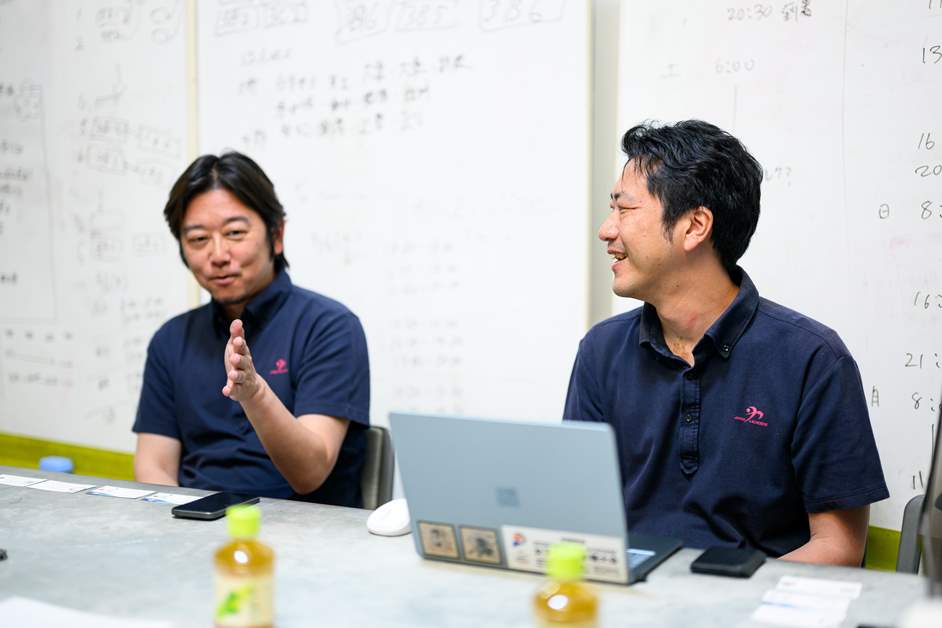
Mogi: “I’m also looking forward to seeing how the Japanese national team performs. The men’s team won a bronze medal at the 2023 World Games—what are the key points to watch for with Japan in this tournament?”
Endo: “Japan is in Pool D for the preliminary round and will face the Czech Republic, Israel, and the Philippines. The biggest challenge will undoubtedly be the match against powerhouse Israel on Monday, July 27. Also, the Philippines are expected to field a number of strong players with U.S. citizenship. The Czech Republic has also advanced through the European qualifiers, so they’ll be a tough opponent. There won’t be a single easy match. For Japan, the first priority is to advance from this group stage. Above all, the quarterfinals on Wednesday, July 29, will be the single most crucial factor in determining the overall excitement of the tournament. If Japan advances to the quarterfinals and wins, they will secure a spot in the Final Four and will play the semifinals and the medal match (either the third-place match or the final) on the final day at Chichibunomiya Rugby Stadium.”
Endo: “Japan is in Pool D for the preliminary round and will face the Czech Republic, Israel, and the Philippines. The biggest challenge will undoubtedly be the match against powerhouse Israel on Monday, July 27. Also, the Philippines are expected to field a number of strong players with U.S. citizenship. The Czech Republic has also advanced through the European qualifiers, so they’ll be a tough opponent. There won’t be a single easy match. For Japan, the first priority is to advance from this group stage. Above all, the quarterfinals on Wednesday, July 29, will be the single most crucial factor in determining the overall excitement of the tournament. If Japan advances to the quarterfinals and wins, they will secure a spot in the Final Four and will play the semifinals and the medal match (either the third-place match or the final) on the final day at Chichibunomiya Rugby Stadium.”
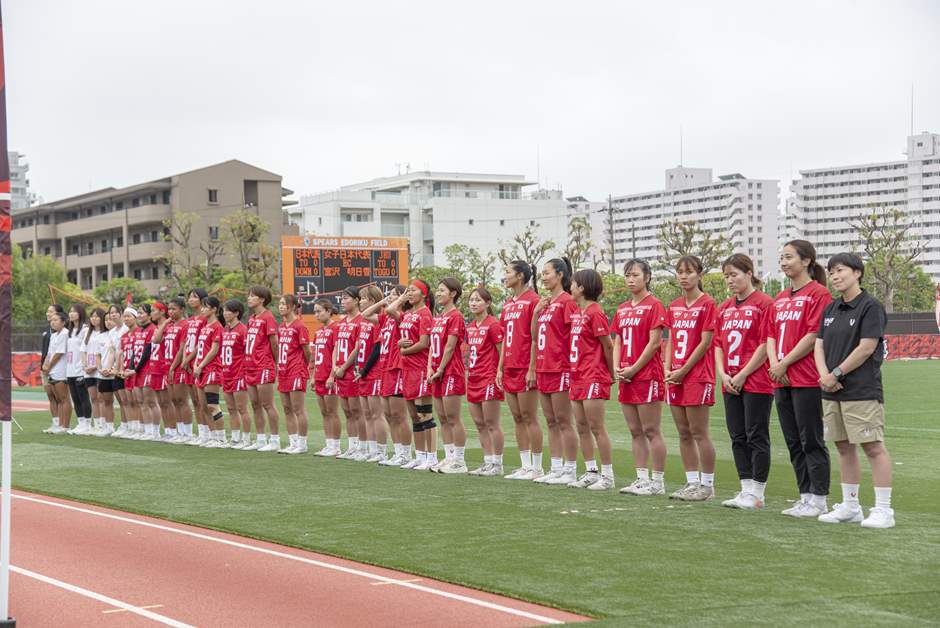
Mogi: “Since Chichibunomiya Rugby Stadium is located in Minato Ward, we at the Minato Ward Tourism Association really hope the Japanese national team will advance and put on a spectacular performance here in Minato Ward. I hear there was a special reason why Chichibunomiya was chosen as the venue for the final this time.”
Endo: “Yes. In hosting the World Cup in Tokyo, we received tremendous support from the Japan Sports Council (JSC) and the Japan Rugby Football Union. They understood the significance of the World Cup and were able to secure the venue earlier than the standard application process would allow. We are truly grateful for this special consideration.”
Endo: “Yes. In hosting the World Cup in Tokyo, we received tremendous support from the Japan Sports Council (JSC) and the Japan Rugby Football Union. They understood the significance of the World Cup and were able to secure the venue earlier than the standard application process would allow. We are truly grateful for this special consideration.”

Mogi: “And lacrosse will make its return at the 2028 Los Angeles Olympics—what are your expectations leading up to that?”
Endo: “The return of lacrosse to the Olympics is very exciting, but the truth is, the Japanese national team’s participation hasn’t been decided yet, and it’s a very tough road to qualify. The 6-player World Championship, to be held in the fall of 2027, will also serve as an Olympic qualifier, and to compete in that event, we must first win the Asia-Pacific Qualifier this October. We’ll face a formidable rival in Australia during that same qualifying tournament, and if we don’t beat them, our path to the Olympics will be very difficult. However, now that lacrosse has become an official Olympic sport, we should see more media coverage. I believe that hosting the World Championship in Japan right before the Olympics will be the perfect opportunity to showcase the appeal of lacrosse to the general public.”
Endo: “The return of lacrosse to the Olympics is very exciting, but the truth is, the Japanese national team’s participation hasn’t been decided yet, and it’s a very tough road to qualify. The 6-player World Championship, to be held in the fall of 2027, will also serve as an Olympic qualifier, and to compete in that event, we must first win the Asia-Pacific Qualifier this October. We’ll face a formidable rival in Australia during that same qualifying tournament, and if we don’t beat them, our path to the Olympics will be very difficult. However, now that lacrosse has become an official Olympic sport, we should see more media coverage. I believe that hosting the World Championship in Japan right before the Olympics will be the perfect opportunity to showcase the appeal of lacrosse to the general public.”
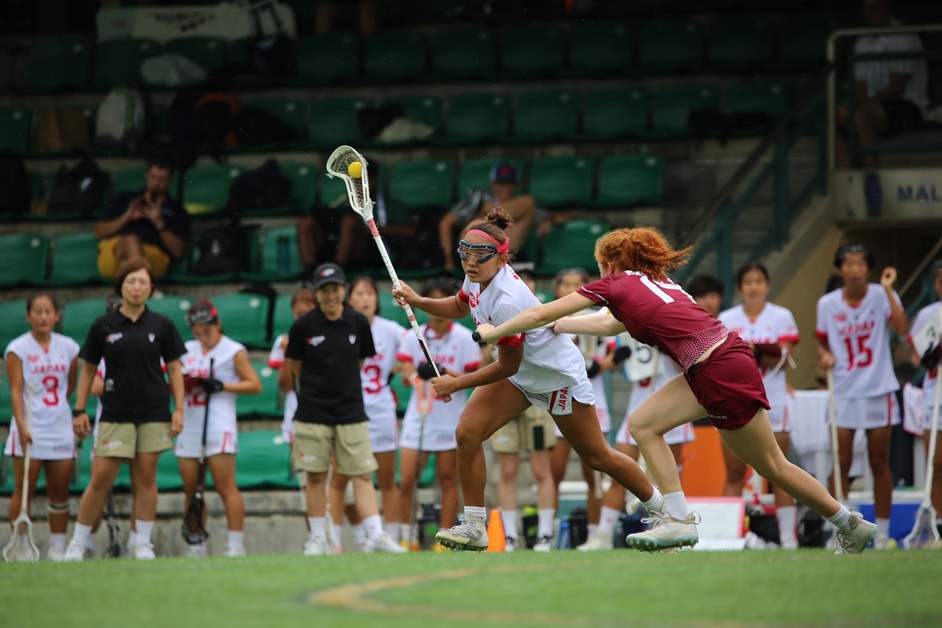
Mogi: “Finally, could you share a message for those who have become interested in lacrosse, as well as your thoughts on collaborating with organizations like the Minato City Tourism Association, local governments, and businesses?”
Furuya: “Lacrosse is a sport packed with the pure joy of using equipment to throw and catch a ball. There’s a position where anyone, regardless of physique, can shine, and it’s never too late to start—whether you’re in middle school, high school, college, or even after entering the workforce. Above all, there’s a wonderful culture where ‘anyone who’s ever touched a lacrosse stick is part of the family.’ For example, when traveling abroad, simply saying, ‘I used to play lacrosse,’ instantly brings you closer to fellow lacrosse players. Since it’s a sport that connects you with people all over the world, I really hope you’ll give lacrosse a try at least once.”
Furuya: “Lacrosse is a sport packed with the pure joy of using equipment to throw and catch a ball. There’s a position where anyone, regardless of physique, can shine, and it’s never too late to start—whether you’re in middle school, high school, college, or even after entering the workforce. Above all, there’s a wonderful culture where ‘anyone who’s ever touched a lacrosse stick is part of the family.’ For example, when traveling abroad, simply saying, ‘I used to play lacrosse,’ instantly brings you closer to fellow lacrosse players. Since it’s a sport that connects you with people all over the world, I really hope you’ll give lacrosse a try at least once.”
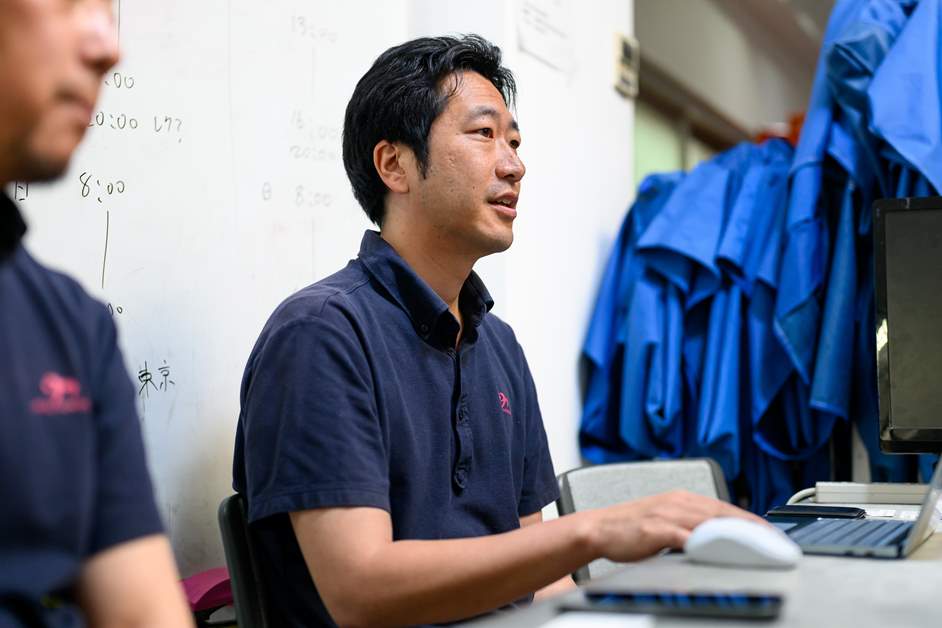
Endo: “Regarding coordination in event management, while we take pride in having handled everything on our own, we still lack the expertise needed to collaborate effectively with external organizations, local governments, and companies. We often hear people say, ‘Let us know if you need anything,’ but to be honest, without a concrete plan in place, it’s hard for us to come up with ideas.”
Furuya: “So, conversely, it would be a huge help if you could actively propose ideas, such as, ‘We have these resources—why don’t we try implementing this kind of initiative together?’ We are deeply committed to showcasing Tokyo’s charm and hospitality to athletes and fans from around the world through this tournament, so we would be delighted to draw on your expertise and work together to create a wonderful event.”
Mogi: “We, too, hope to collaborate with local businesses to propose initiatives that combine lacrosse and tourism, such as ‘host town’-style hospitality as the host city. Thank you very much for your valuable insights today.”
Furuya: “So, conversely, it would be a huge help if you could actively propose ideas, such as, ‘We have these resources—why don’t we try implementing this kind of initiative together?’ We are deeply committed to showcasing Tokyo’s charm and hospitality to athletes and fans from around the world through this tournament, so we would be delighted to draw on your expertise and work together to create a wonderful event.”
Mogi: “We, too, hope to collaborate with local businesses to propose initiatives that combine lacrosse and tourism, such as ‘host town’-style hospitality as the host city. Thank you very much for your valuable insights today.”
[Nissin Foods 2026 WORLD LACROSSE Women's World Championship]
https://www.lacrosse.gr.jp/worlds/tokyo2026/
https://www.lacrosse.gr.jp/worlds/tokyo2026/