


What is the “Travel Library” in Minami-Aoyama—a place to discover resources about travel and destinations?
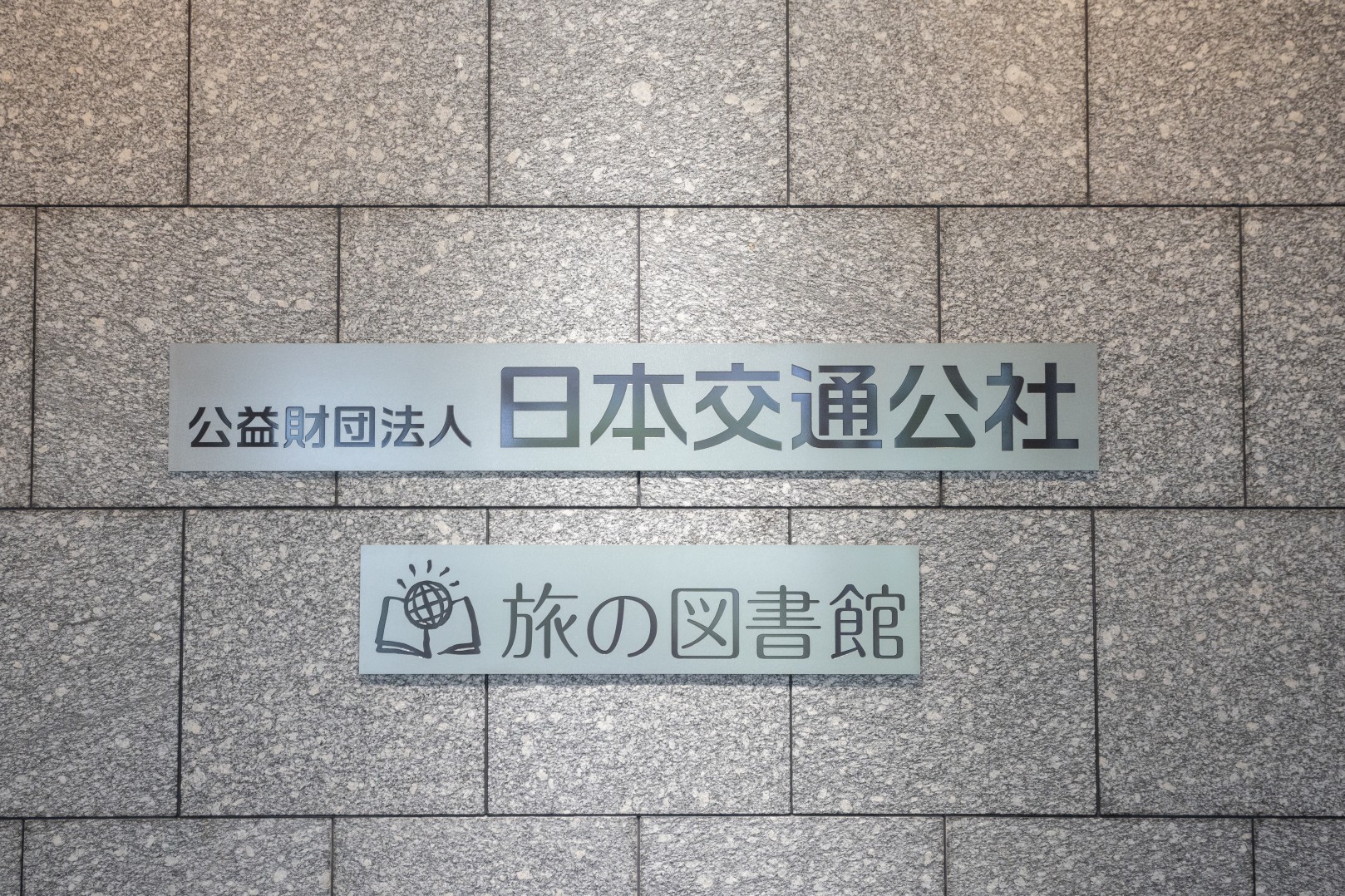
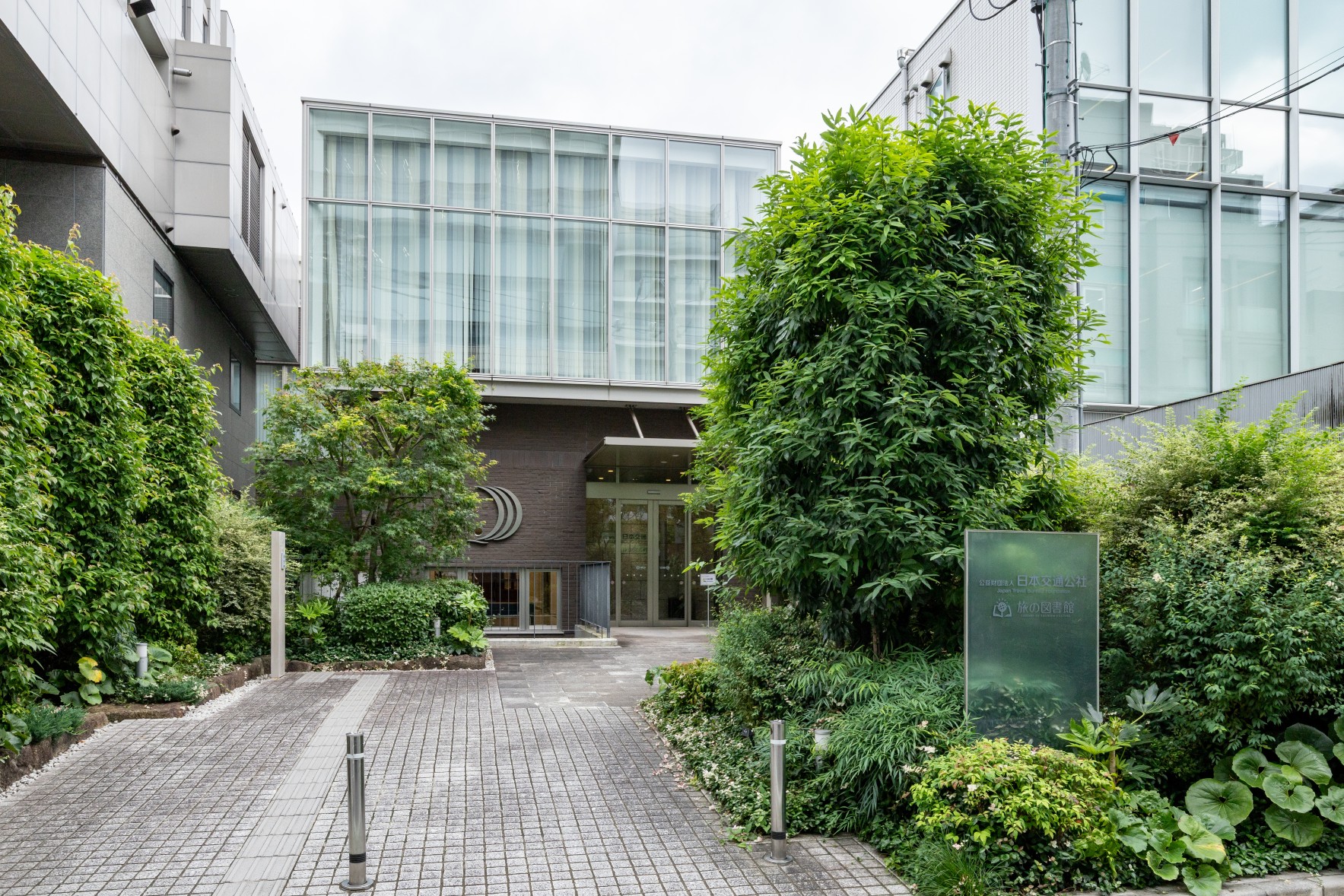
Did you know that in Minami-Aoyama—located near the Jingu Gaien Ginkgo Avenue, one of Minato Ward’s most iconic tourist spots—there is a facility called the “Japan Travel Agency Public Interest Incorporated Foundation Travel Library” (hereinafter referred to as the “Travel Library”)?
When I visited this intriguing library, I found it to be an important hub for research on tourism in Japan. For this article, I spoke with Aki Kudo, a researcher in the Tourism Research Department, and she introduced me to some of the library’s collection.
When I visited this intriguing library, I found it to be an important hub for research on tourism in Japan. For this article, I spoke with Aki Kudo, a researcher in the Tourism Research Department, and she introduced me to some of the library’s collection.
A library belonging to an organization with a history of over 100 years
[What Is the Japan Travel Bureau?]
The Travel Library opened in October 2016. However, it wasn’t a brand-new opening; rather, it relocated to Minami-Aoyama.
What kind of organization is the “Japan Travel Bureau Public Interest Incorporated Foundation,” which operates the library?
The Japan Travel Agency Public Interest Incorporated Foundation began in 1912 (Meiji 45) as the “Japan Tourist Bureau.” This organization was created to attract foreign tourists to Japan and was a semi-public, semi-private entity established primarily by the Railway Bureau of the time. It carried out activities to promote Japan as a tourist destination to foreigners.
After changing its name several times, in 1963 (Showa 38), the business operations were spun off from the “Japan Travel Bureau Foundation” to form “Japan Travel Bureau Co., Ltd.”
The spun-off “Japan Travel Bureau Co., Ltd.” has since become “JTB Corporation,” now known as Japan’s largest travel agency.
Meanwhile, the foundation was certified as a public interest incorporated foundation in 2012 to function as a research and survey institution.
In 1978 (Showa 53), following the separation, the “Tourism and Culture Museum” was established in the Yaesu area of Tokyo Station. Renamed the “Travel Library” in 1999, it began attracting up to 37,000 visitors annually as a place for travelers to conduct research before their trips.
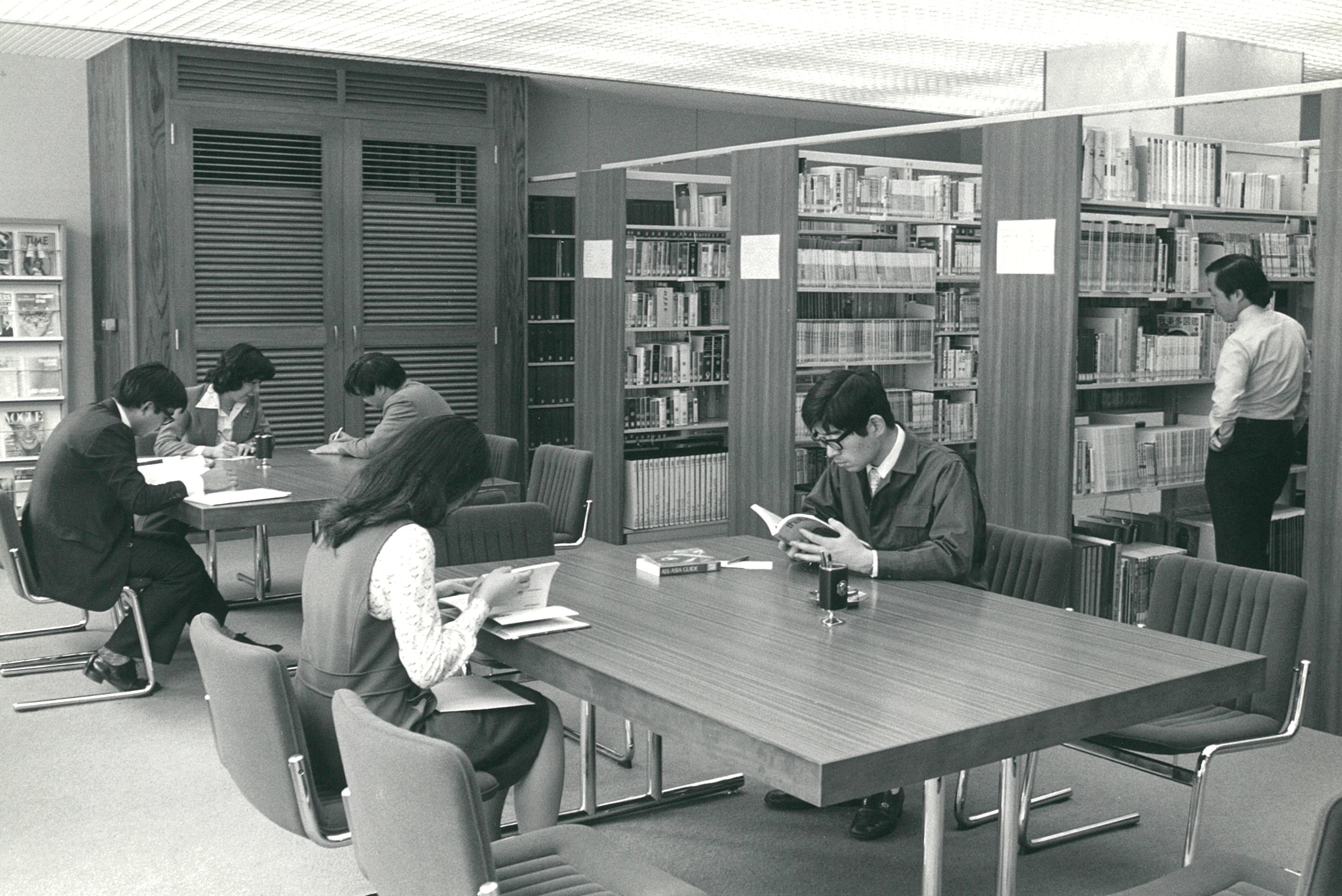
However, in light of changes in the environment brought about by the spread of the Internet, discussions began in the 2010s about relocating the library to a facility integrated with the Tourism Research Department.
It is said that potential relocation sites were compared and evaluated based on various factors, including proximity to the station.
“When I spoke with staff members who were there at the time of the move, they explained that, in addition to its accessibility from the city center, the presence of the historic ginkgo-lined avenue in Gaien—a well-known tourist destination—made it a suitable location for tourism research, which was one of the reasons Minami-Aoyama was chosen.”
In preparation for the move, and in light of changing times—such as the increasing tendency to “research trips online”—the Travel Library decided to reevaluate its concept as a library.
Specifically, it was renovated into a library useful for research and practical work in the tourism field. The collection policy was revised to reduce holdings such as guidebooks and travelogues, while materials used for research were organized using the library’s unique classification system to make them easier to find.
These two initiatives are reflected in the library’s layout, which will be introduced later.
[What Kind of Organization Is This?]
As a research institution, the Japan Transport Corporation (a public interest incorporated foundation) broadly divides its projects into two categories: “independent projects,” which address issues the organization identifies on its own, and “contracted projects,” which are commissioned by local governments and other entities.
Regarding its independent research projects, the organization has reportedly been focusing in recent years on the relationship between foreign tourists and local communities, as well as the sustainability of tourism within regional economies.
In its commissioned projects, the organization carries out a wide range of tasks related to tourism promotion, such as tracking trends among domestic and international travelers, formulating and promoting regional tourism development plans, and estimating the economic impact of tourism.
“In recent years, we have seen an increase in requests from local governments for surveys and consultations regarding the ‘lodging tax,’ which is gaining attention as a source of tourism revenue.”
Since we, too, sometimes pay a lodging tax when staying at hotels or ryokans while traveling, this issue is by no means irrelevant to us. In this way, the Japan Tourism Agency, a public interest incorporated foundation, plays a vital role in supporting Japan’s tourism administration.
The library features a wide variety of books on tourism and a vast collection of titles
[A Library Where You Can Explore Materials Through Exhibits Organized from Various Perspectives]
On the first floor of the Travel Library, you’ll find the reception desk and a section for magazines and guidebooks, while the basement level features bookshelves organized according to a unique classification system—housing valuable materials and resources useful for research—as well as a reading area.
The collection currently numbers over 75,000 volumes and is said to be growing steadily.
Throughout the library, there are display corners where books are arranged by theme. In addition to searching for and reading specific books, you might want to pick up a book if a particular theme catches your interest.
・Entrance Gallery
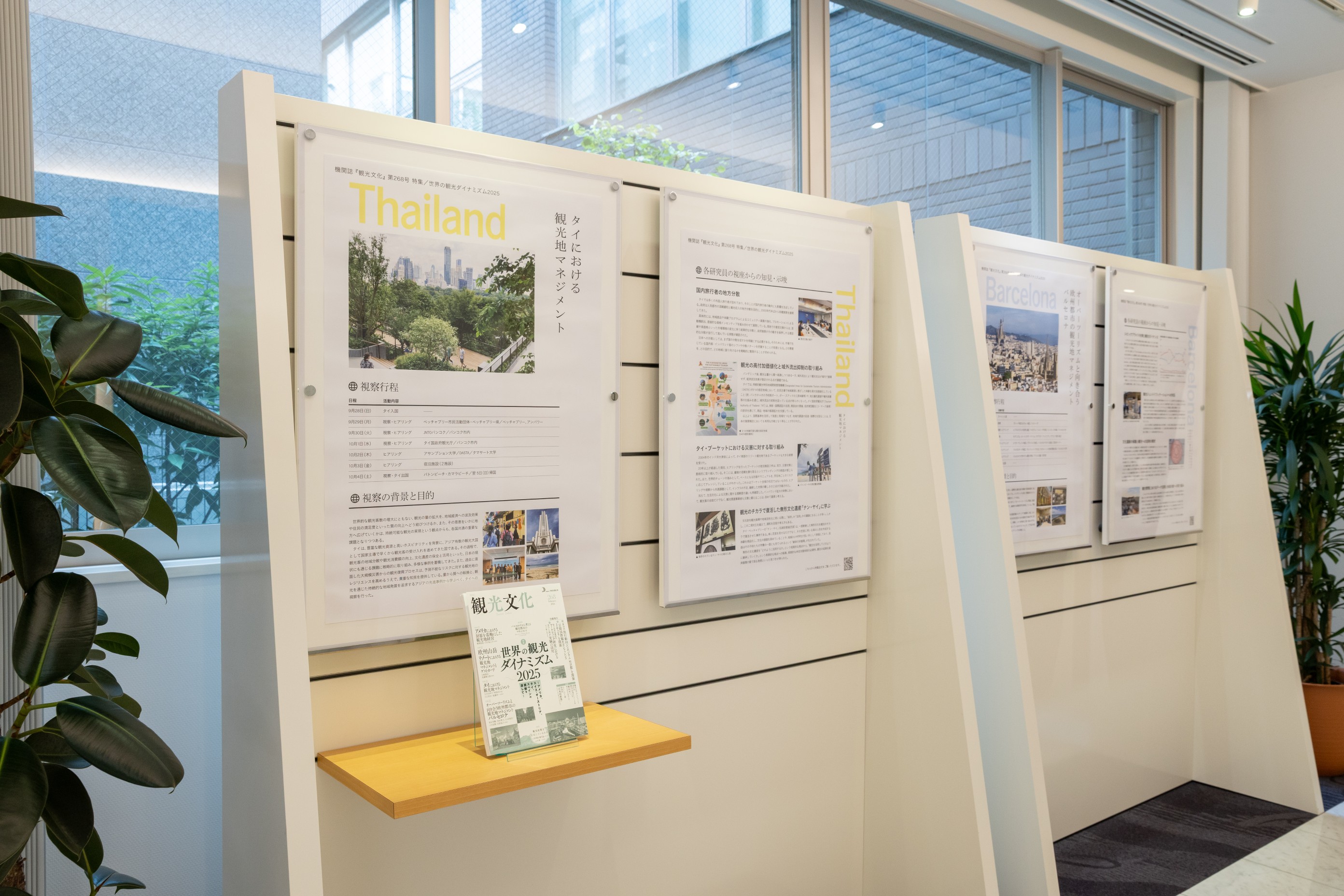
This exhibit is located right inside the building. It primarily showcases the results of the Tourism Research Department’s activities and findings from its field visits.
・Antique Book Display Corner
・Antique Book Display Corner
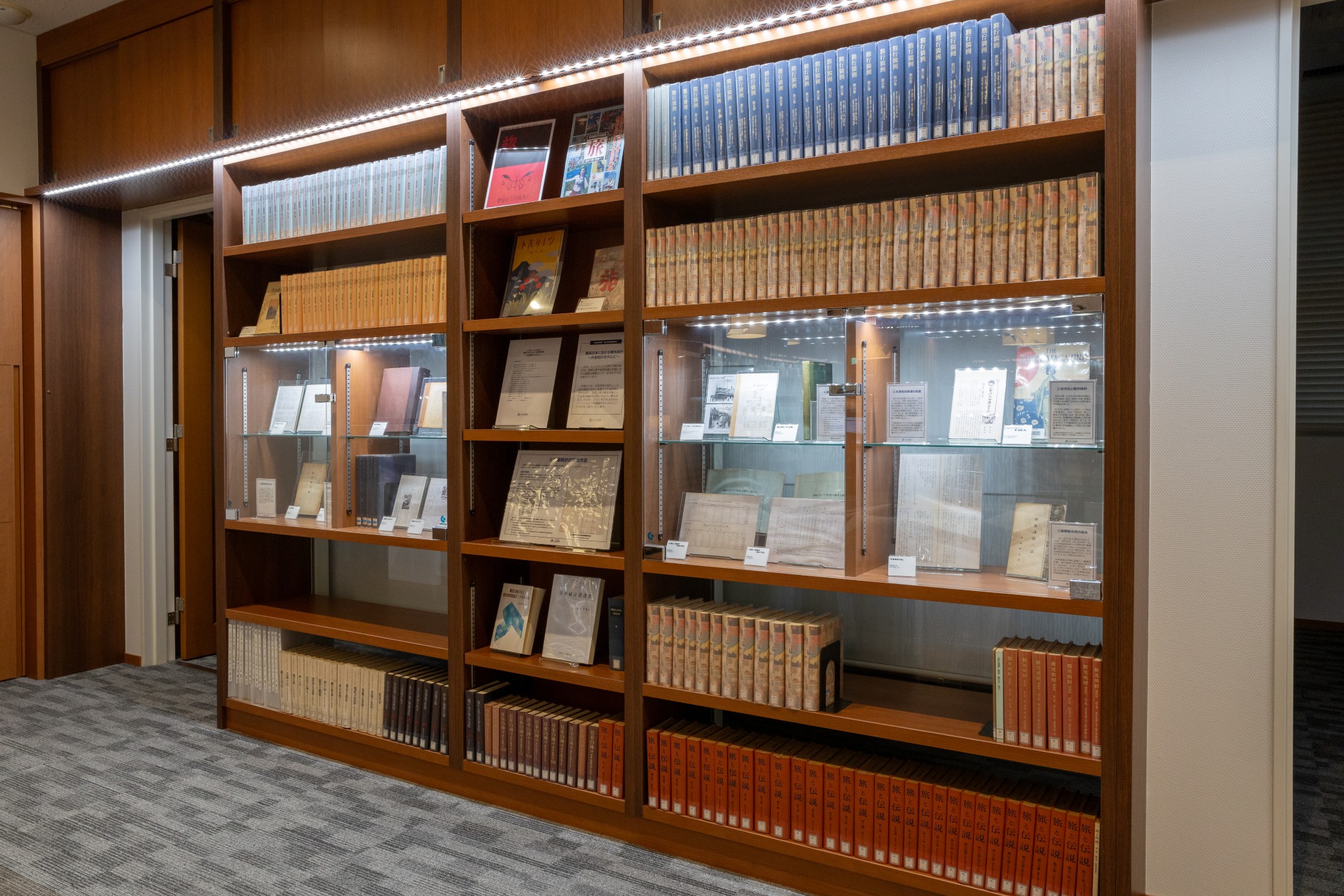
The exhibition features materials primarily from the Japan National Tourist Organization’s historical archives, organized by theme. While some items cannot be touched, visitors can learn about the valuable items in the collection.
・Regional Exhibits
・Regional Exhibits
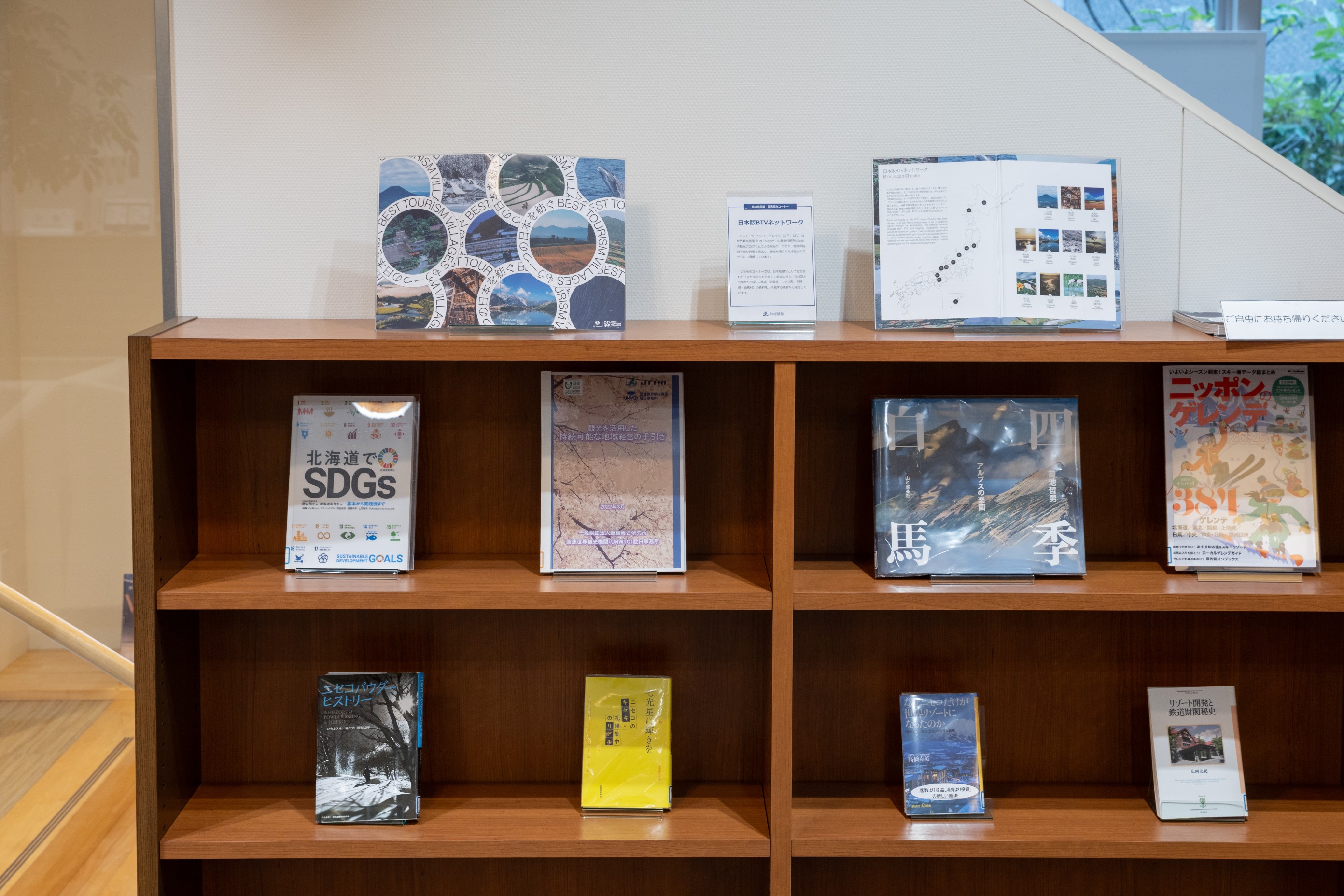
This exhibition highlights books that introduce regions closely tied to the activities of the Japan Transport Corporation, a public interest incorporated foundation, as well as the organization’s external activities, such as lectures and publications by its researchers.
・Recommended Books
・Recommended Books
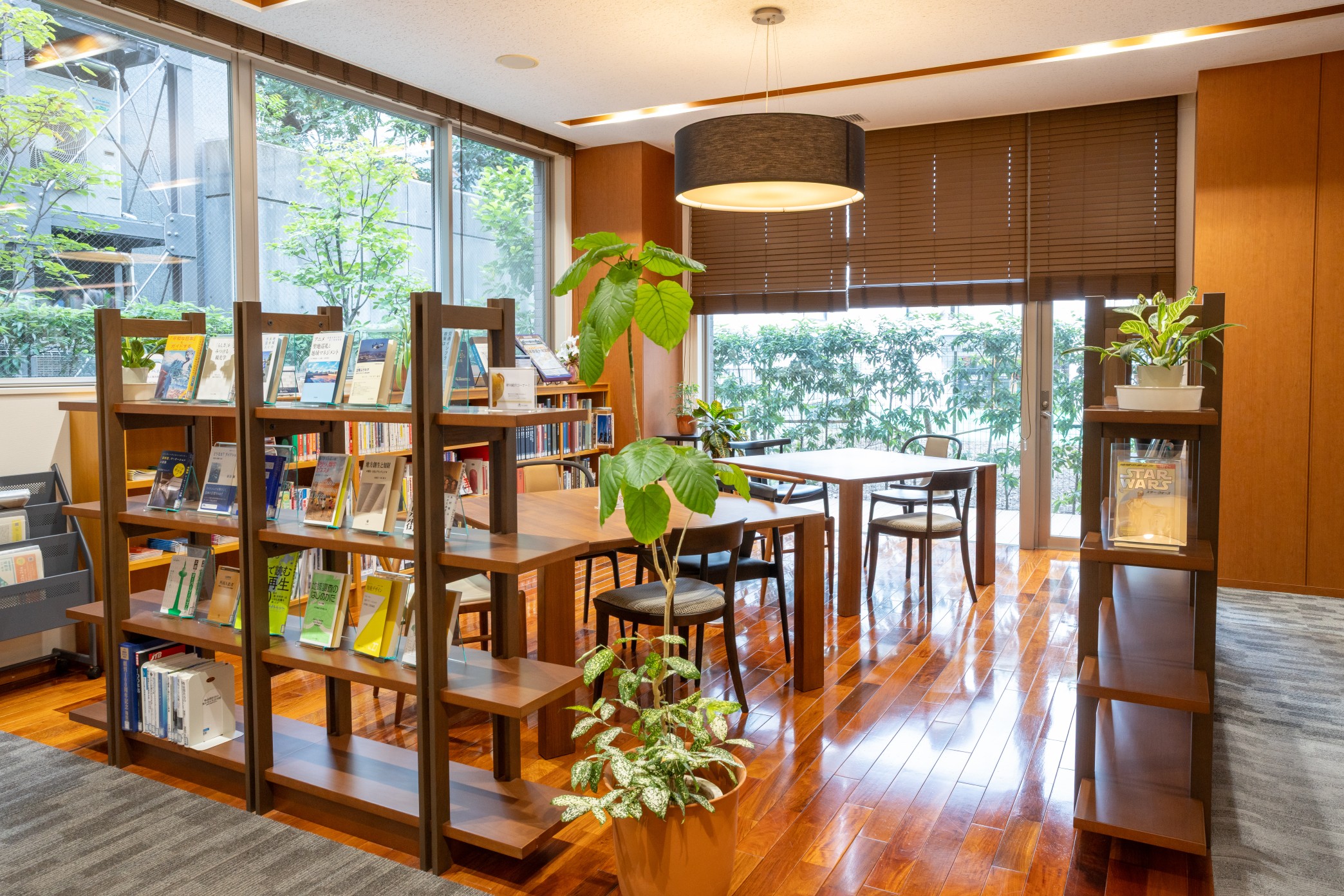
In front of the “Garden Lounge,” which features seats by the window, you’ll find a selection of recommended books from the latest arrivals. There’s a bookshelf located just as you come down from the Tourism Research Department office (not open to the public) on the second floor, and we’re told it’s designed to inspire new ideas among the researchers.
In addition, the first floor boasts a vast collection of books, primarily consisting of guidebooks and magazines.
In addition, the first floor boasts a vast collection of books, primarily consisting of guidebooks and magazines.
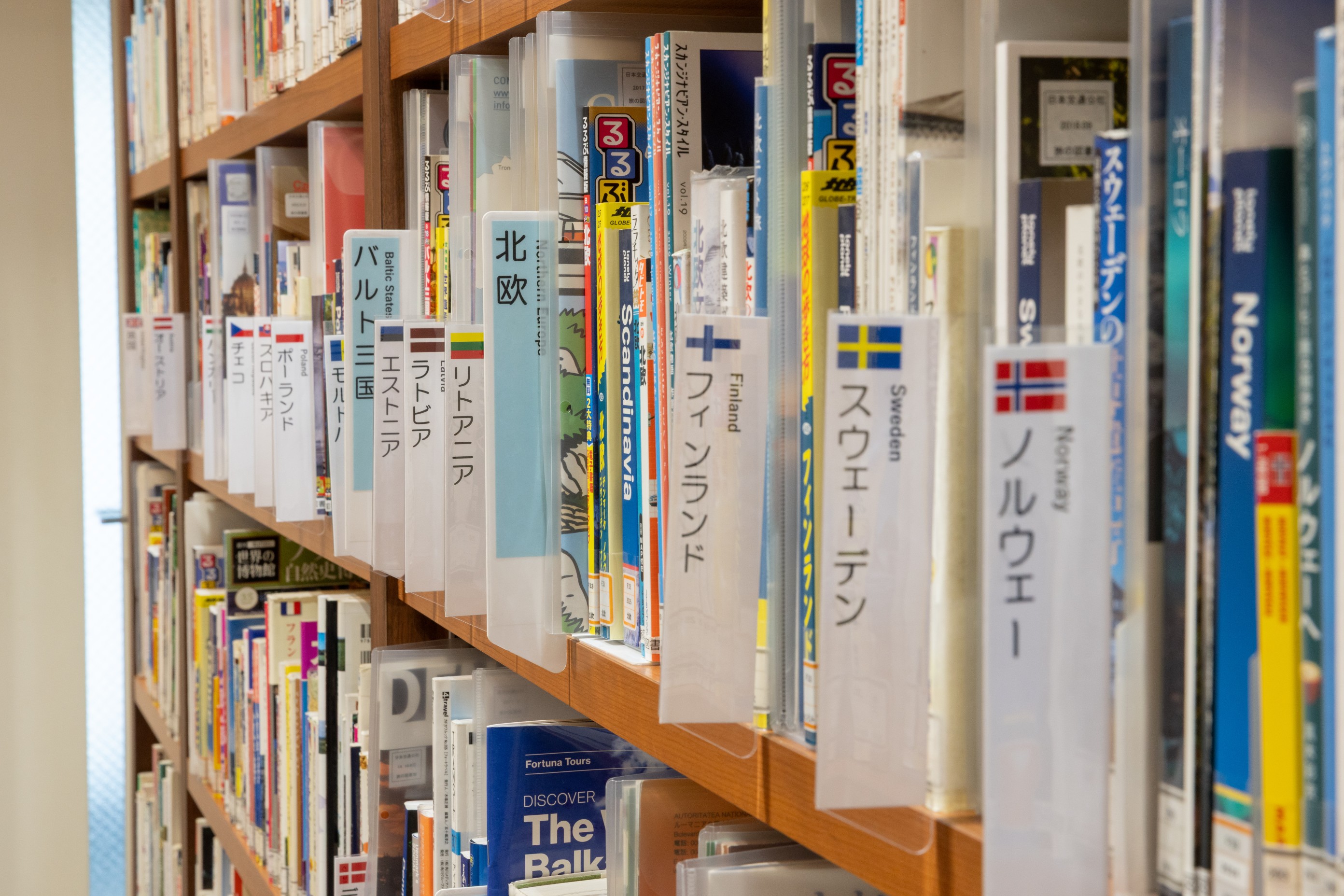
The shelf next to the reception desk, lined with guidebooks from all over the world, is a must-see.
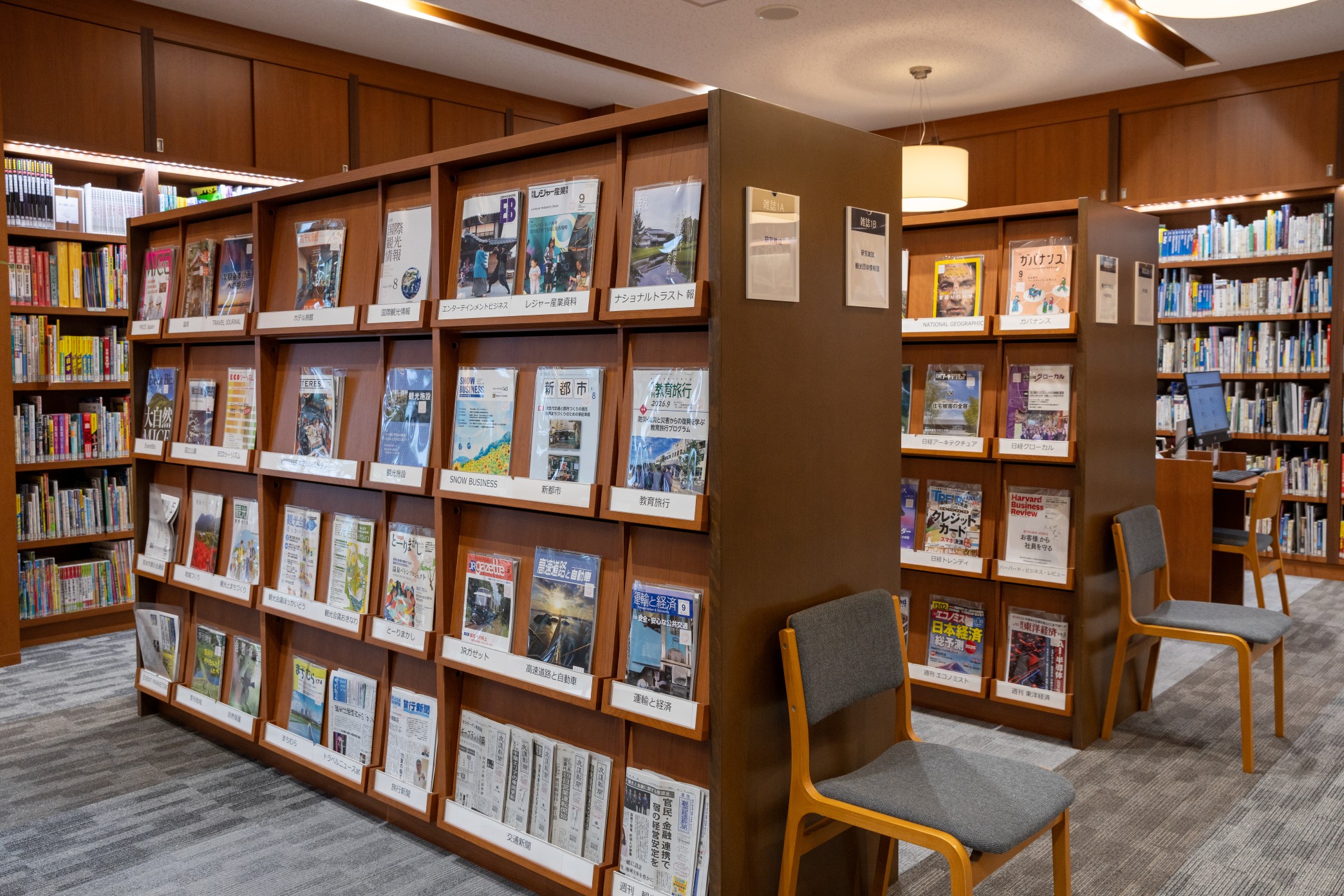
The magazine section features an extensive selection of specialized and local publications, allowing readers to learn about the current challenges and initiatives in various industries and regions.
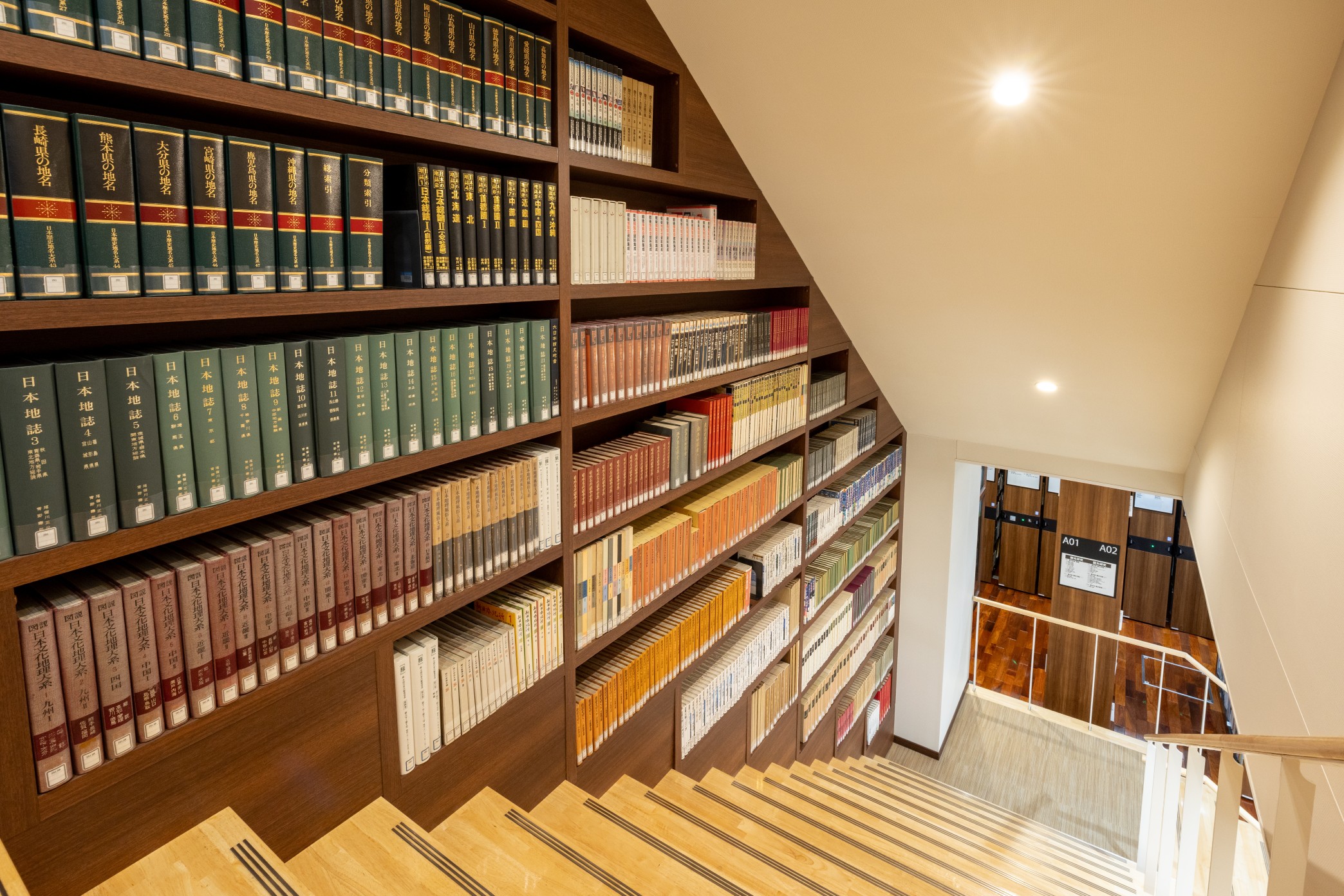
As you walk down the stairs past the area lined with books, you’ll reach the basement level, where bookshelves and reading areas stretch out before you.
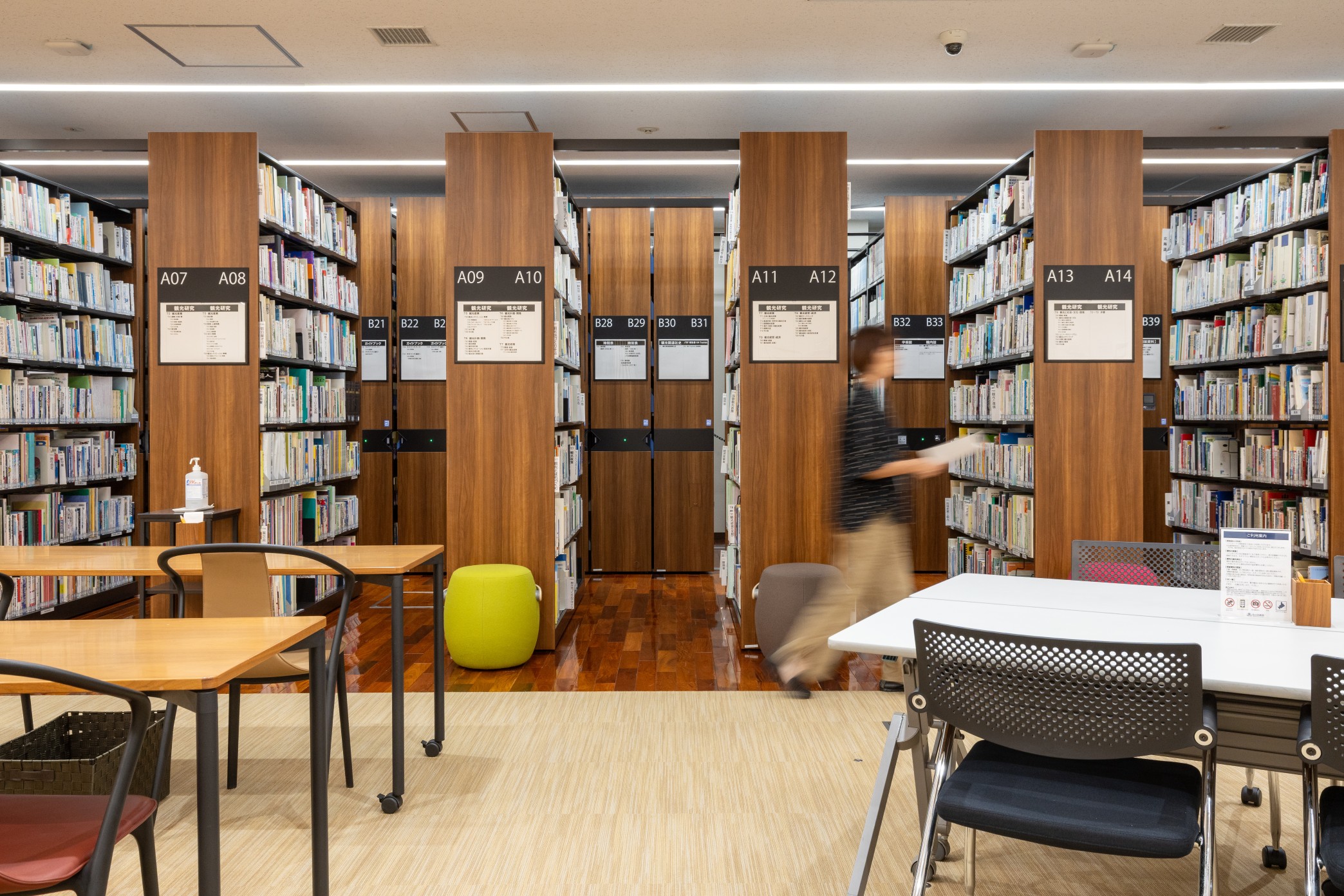
The basement level features bookcases organized according to a unique classification system; the numerous shelves—such as those for “Tourism Studies” and “Regional Studies” arranged by region—are useful for research and reference.
The computers next to the counter not only allow you to search for materials but also let you view valuable materials on screen as part of the “Digital Archives.”
The computers next to the counter not only allow you to search for materials but also let you view valuable materials on screen as part of the “Digital Archives.”
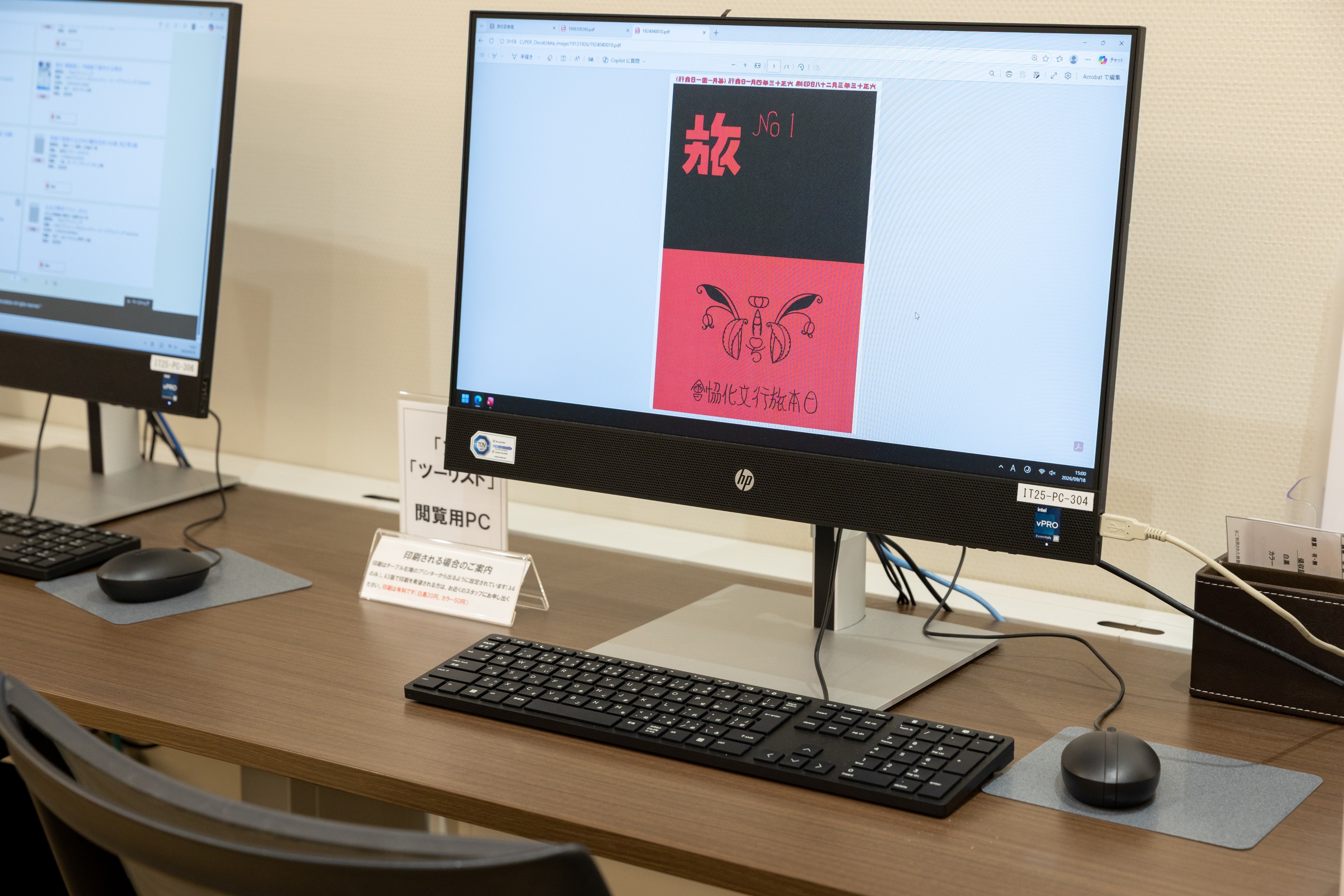
You can browse issues of *Tourist*, first published in 1913 (Taisho 2), as well as the magazine *Tabi*, published by the Japan Travel Culture Association in 1924 (Taisho 13).
There is also a book display on the walls of the reading area on the first basement level.
There is also a book display on the walls of the reading area on the first basement level.
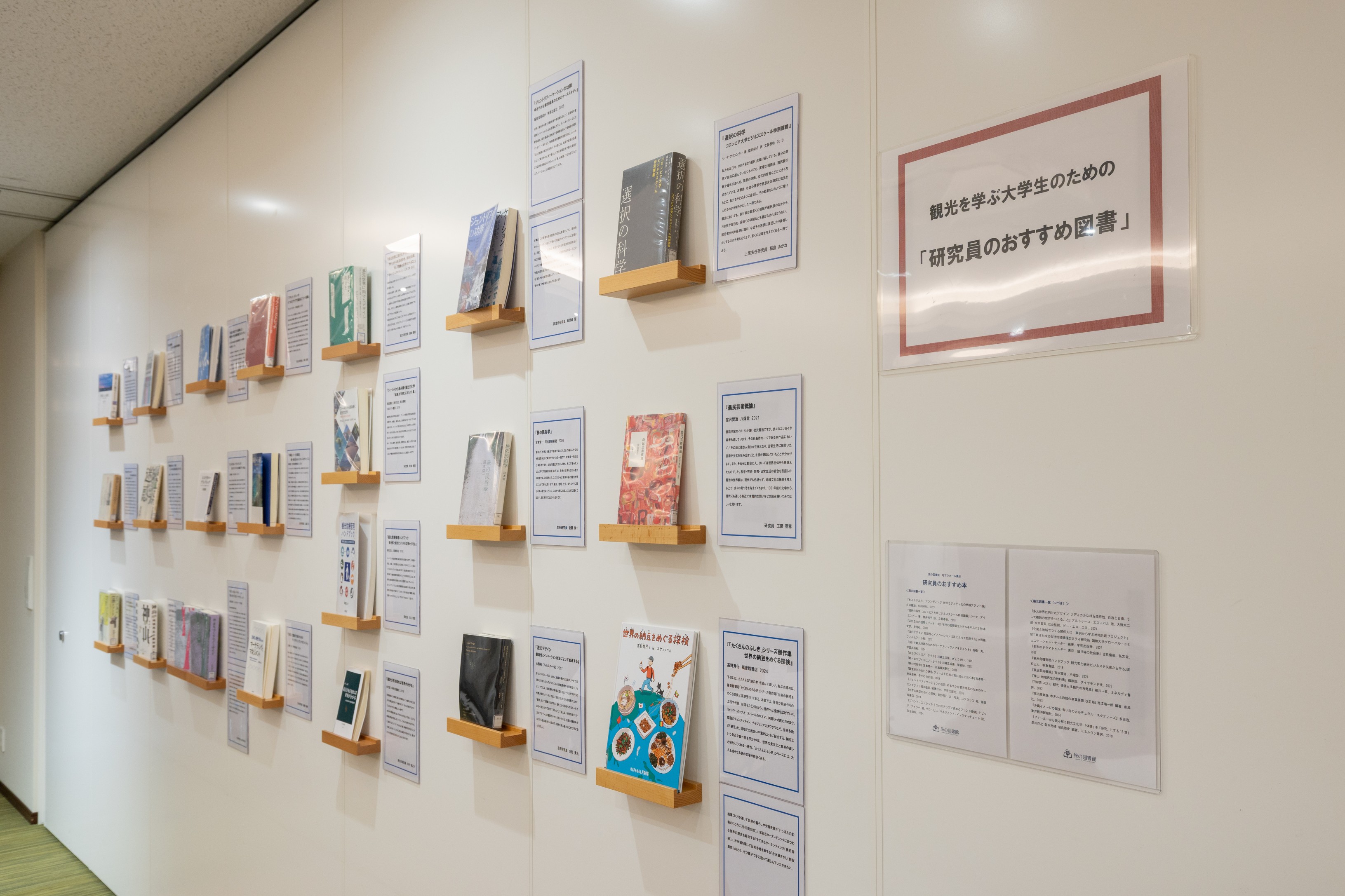
“This display on the lower wall is intended primarily for students studying tourism, and features books that our researchers would like to recommend. Since our researchers don’t necessarily specialize exclusively in tourism—they come from a wide variety of backgrounds—I think each book on display offers a unique perspective.”
My impression was that many of the books on display were useful references for research methods and the mindset required for conducting research. Since the researchers selected their favorite books themselves, several of the accompanying introductions exceeded the specified character limit, clearly showing their enthusiasm.
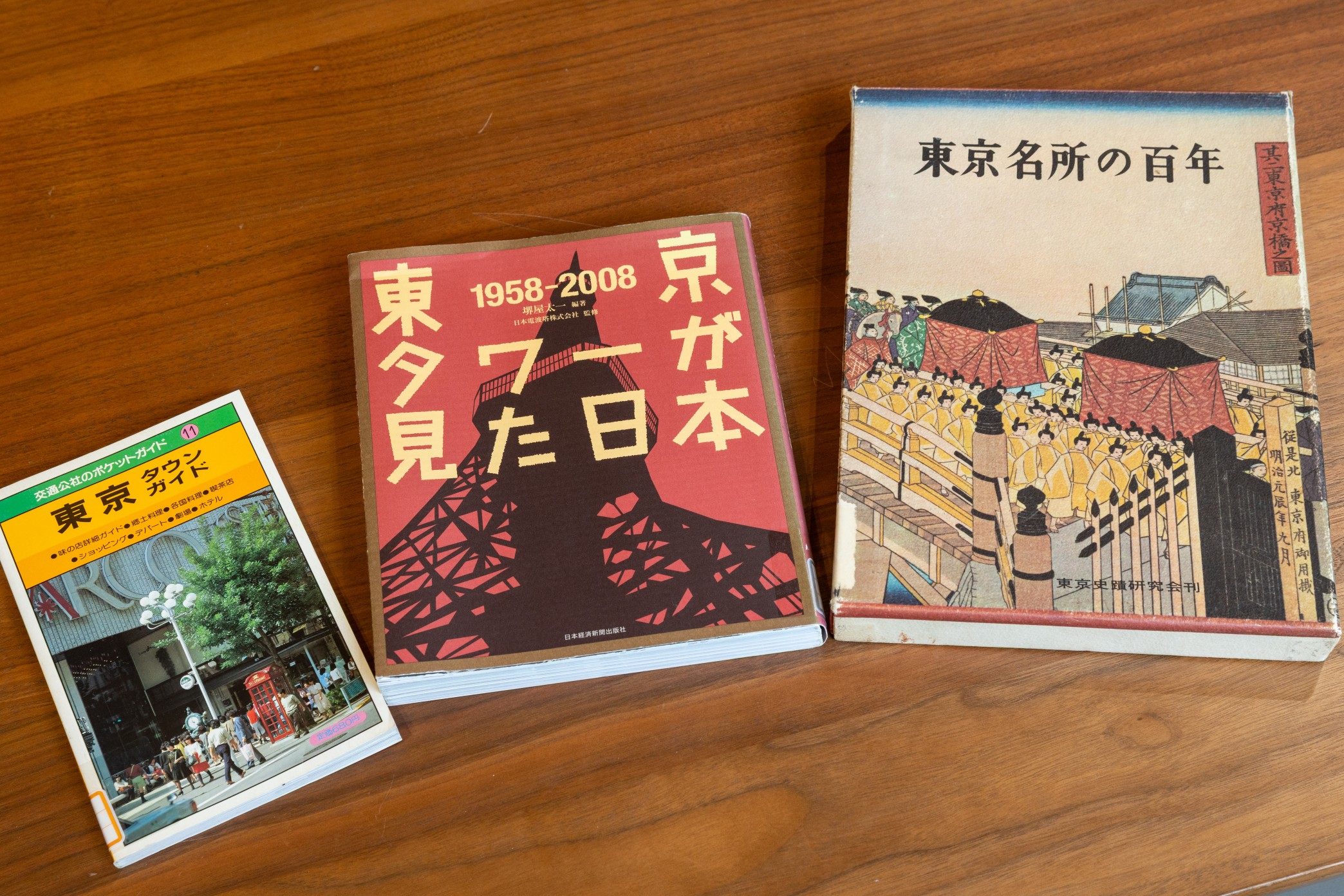
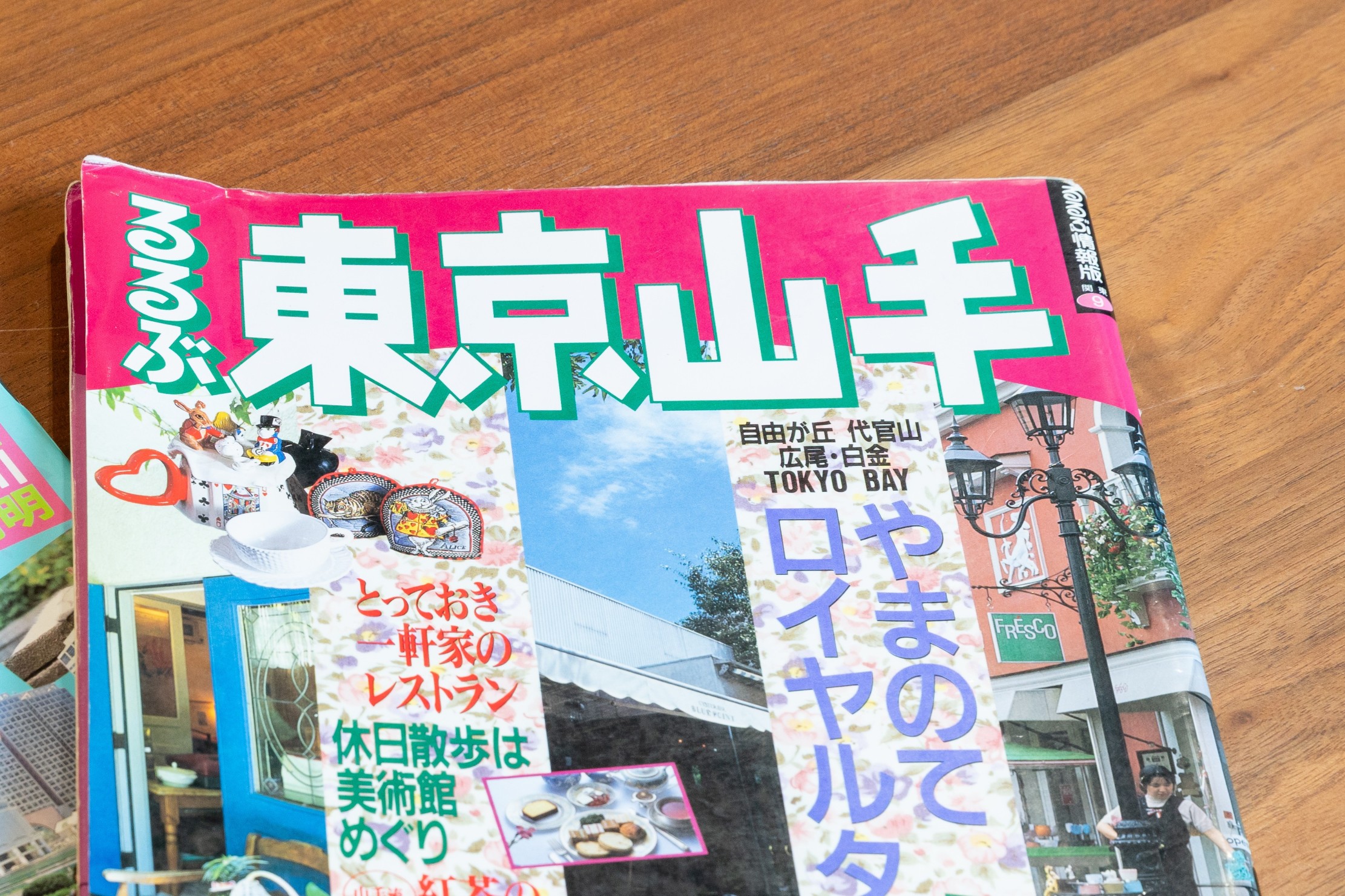
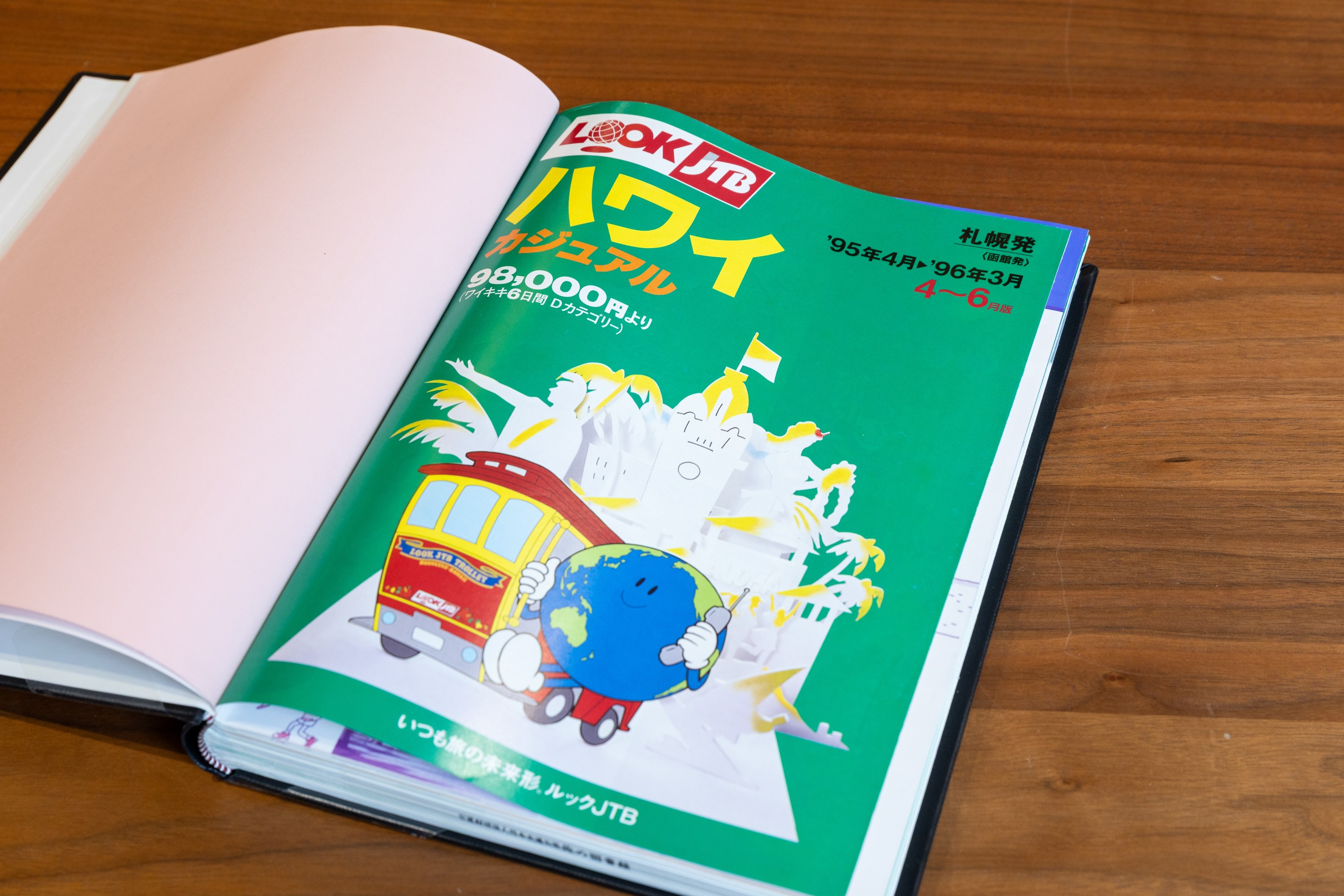
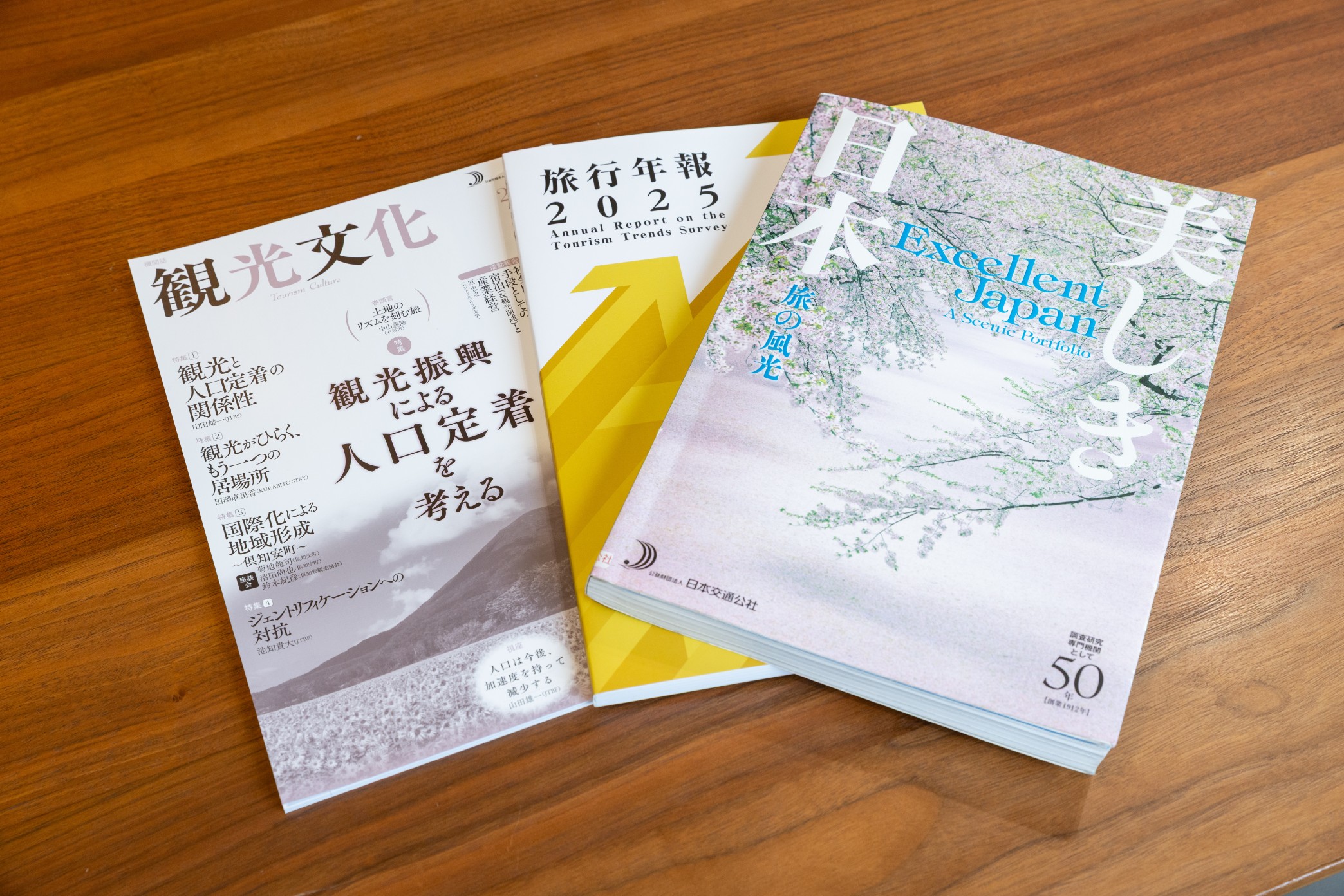
On the mobile bookshelf at the back of the tourism and regional studies section, you’ll find materials related to the Japan Travel Bureau (including JTB), statistical data, and old guidebooks that could serve as research resources—offering access to a vast collection of materials.
During this interview, I was shown a variety of materials from the library’s collection.
Who Uses the Library? How People Use It, Too
I also learned about how to use the library and its current usage patterns.
Currently, use of the Travel Library requires advance reservations made through the website.
“If there’s availability, you can make a reservation even on the same day. However, please check the website before visiting, as the library may close on irregular days in addition to its regular closing days.”
Materials can only be viewed on-site (copying using the in-house copier is permitted within the limits of copyright law), and the library does not offer a lending service. This allows visitors to focus fully on discovering materials while on-site.
It has been 10 years since the library relocated to Minato Ward—what kinds of people typically use the library?
“As of 2025, the purposes of our visitors are almost evenly split between ‘research and study’ and ‘travel planning’ plus ‘hobbies.’”
While the Travel Library houses a wealth of materials useful for research and study, it seems there are actually quite a few visitors who simply come to casually browse the materials.
“We’ve been seeing a lot of students lately. Beyond that, we also have couples who say, ‘We’re here to scout out a round-the-world trip,’ as well as local housewives and businesspeople.”
The Travel Library offers a rich and multifaceted collection of materials not only for those studying tourism but also for anyone looking to deepen their knowledge of countries or regions that interest them.
Whether it’s a place you plan to visit or something you’ve seen on a past trip, understanding the background might give you a whole new perspective. Why not pay a visit?
[Japan Travel Library, Japan Travel Agency Public Interest Incorporated Foundation]
Address: 1st Floor and B1, Japan Travel Agency Building, 2-7-29 Minami-Aoyama, Minato-ku, Tokyo
Access: 3-minute walk from Exit 5 of Aoyama-itchome Station on the Tokyo Metro Ginza Line, Hanzomon Line, and Toei Subway Oedo Line
Hours: Monday–Friday, 10:30 AM–5:00 PM
Closed: Saturdays, Sundays, national holidays, the fourth Wednesday of every month, and year-end/New Year holidays
*Please note that the library may be closed on other days as well. Please check the Travel Library website below for details.
https://www.jtb.or.jp/library/