



The Exhibition Hall at Azabudai Hills Has Reopened After a Renovation! What the “Museum of Diplomatic History” Has to Say
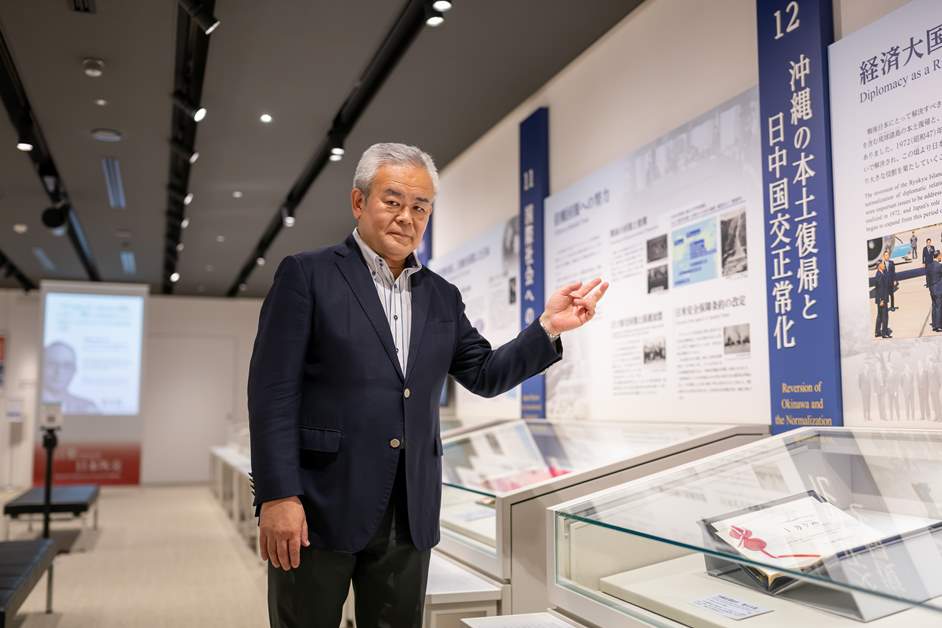
On April 5, 2024, the exhibition hall of the Diplomatic Archives Museum relocated to the 5th floor of the Azabudai Hills Mori JP Tower in Minato Ward and reopened following a renovation. The Diplomatic Archives, a facility of the Ministry of Foreign Affairs, opened on April 15, 1971. It preserves and makes available historical documents and materials related to Japan’s diplomacy, and works to deepen the Japanese public’s understanding of diplomacy through exhibitions and public outreach. For this article, we spoke with Hideaki Yamamoto, Director of the Diplomatic Archives, about the circumstances surrounding the relocation of the exhibition hall, the features of the new space, and the depth of Japan’s diplomatic history. We’ll share the appeal of the Diplomatic Archives, a place where visitors can gain insight into the importance of Japan’s diplomacy.
The number of visitors has increased more than tenfold since the move!
――First, could you tell us about the circumstances leading to the relocation of the Diplomatic Archives’ exhibition hall to the 5th floor of the Azabudai Hills Mori JP Tower?
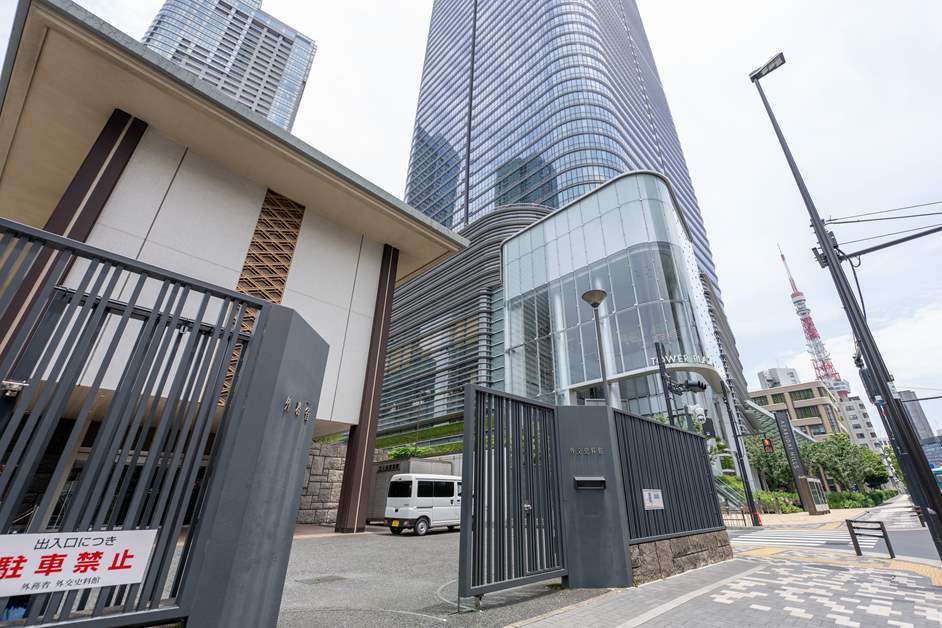
“The Diplomatic Archives was established in 1971 in Azabudai 1-chome, Minato Ward, alongside the Iikura Residence, where the Minister of Foreign Affairs held meetings and receptions.The exhibition hall was open to the public in an annex on the premises, but access was not particularly convenient, and there were also challenges from a barrier-free accessibility perspective. Incidentally, the annex was donated in 1988 by the Shigeru Yoshida Memorial Foundation (as it was then known), along with materials related to former Prime Minister Shigeru Yoshida.Amid these circumstances, plans for a redevelopment project emerged in the area immediately adjacent to the Museum of Diplomatic History, and the redevelopment association proposed a “conversion of rights.” A conversion of rights refers to the replacement of existing land rights with new ones.In other words, in exchange for providing a portion of the Diplomatic Archives’ land for use as a public road, the Ministry of Foreign Affairs acquired the rights to the fifth floor of the newly constructed Azabudai Hills Mori JP Tower. We have since relocated the exhibition rooms from the annex to that fifth floor.”
“The Diplomatic Archives was established in 1971 in Azabudai 1-chome, Minato Ward, alongside the Iikura Residence, where the Minister of Foreign Affairs held meetings and receptions.The exhibition hall was open to the public in an annex on the premises, but access was not particularly convenient, and there were also challenges from a barrier-free accessibility perspective. Incidentally, the annex was donated in 1988 by the Shigeru Yoshida Memorial Foundation (as it was then known), along with materials related to former Prime Minister Shigeru Yoshida.Amid these circumstances, plans for a redevelopment project emerged in the area immediately adjacent to the Museum of Diplomatic History, and the redevelopment association proposed a “conversion of rights.” A conversion of rights refers to the replacement of existing land rights with new ones.In other words, in exchange for providing a portion of the Diplomatic Archives’ land for use as a public road, the Ministry of Foreign Affairs acquired the rights to the fifth floor of the newly constructed Azabudai Hills Mori JP Tower. We have since relocated the exhibition rooms from the annex to that fifth floor.”
――It has been nearly a year and a half since the exhibition hall relocated and reopened after renovations. What impact has this had?
“The Diplomatic Archives has the role of sharing Japan’s diplomatic records with the public and passing them on to future generations.However, as I mentioned, the previous exhibition hall was not always able to fully fulfill that role due to issues with accessibility and barrier-free design. Since moving to Azabudai Hills Mori JP Tower—Japan’s tallest building, which attracts a large number of visitors—the number of visitors has increased more than tenfold compared to the previous location. I believe this is undoubtedly the greatest benefit.”
“The Diplomatic Archives has the role of sharing Japan’s diplomatic records with the public and passing them on to future generations.However, as I mentioned, the previous exhibition hall was not always able to fully fulfill that role due to issues with accessibility and barrier-free design. Since moving to Azabudai Hills Mori JP Tower—Japan’s tallest building, which attracts a large number of visitors—the number of visitors has increased more than tenfold compared to the previous location. I believe this is undoubtedly the greatest benefit.”
――More than ten times as many—that’s amazing!
“Since our reopening, visitor numbers have continued to rise, and on June 6, 2025, we surpassed 20,000 visitors.To share our diplomatic records with the public, we hope as many people as possible will visit us. Of course, we intend to continue increasing visitor numbers, but we’re quite proud to say that this is a remarkable figure for a facility open to the public and operated by a national government agency.”
“Since our reopening, visitor numbers have continued to rise, and on June 6, 2025, we surpassed 20,000 visitors.To share our diplomatic records with the public, we hope as many people as possible will visit us. Of course, we intend to continue increasing visitor numbers, but we’re quite proud to say that this is a remarkable figure for a facility open to the public and operated by a national government agency.”
――What kinds of people have visited the center so far?
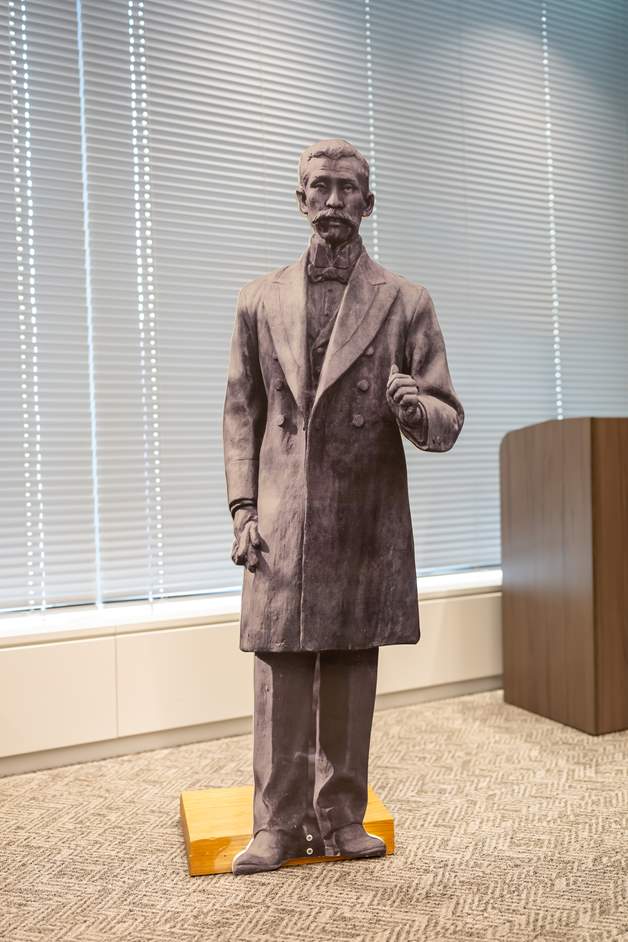
“We welcome visitors from a wide range of age groups, but recently, we’ve seen many groups of students—from sixth-grade elementary schoolers to third-year junior high schoolers—coming to learn as part of their school activities. Since we want to pass on diplomatic records to the next generation, we’re committed to encouraging young people to visit. To that end, we’ve been organizing activities where we discuss diplomacy while guiding them through the exhibits.In the multipurpose space adjacent to the exhibition hall, we sometimes hold mini-lectures for student groups. During these mini-lectures, we ask quiz questions such as, ‘There was once a Foreign Minister named Jutaro Komura—how tall was he in centimeters?’ We also have a life-size panel of him, and the children enjoy taking commemorative photos with it.”
“We welcome visitors from a wide range of age groups, but recently, we’ve seen many groups of students—from sixth-grade elementary schoolers to third-year junior high schoolers—coming to learn as part of their school activities. Since we want to pass on diplomatic records to the next generation, we’re committed to encouraging young people to visit. To that end, we’ve been organizing activities where we discuss diplomacy while guiding them through the exhibits.In the multipurpose space adjacent to the exhibition hall, we sometimes hold mini-lectures for student groups. During these mini-lectures, we ask quiz questions such as, ‘There was once a Foreign Minister named Jutaro Komura—how tall was he in centimeters?’ We also have a life-size panel of him, and the children enjoy taking commemorative photos with it.”
――So it’s designed to be accessible to elementary school students. Still, I’m surprised to see life-size cutouts here.
“From the late Edo period through the Meiji era, Japan was forced to sign unequal treaties with the major Western powers.Revising those unequal treaties was the top priority of the Ministry of Foreign Affairs during the Meiji era. Jutaro Komura was a diplomat who devoted himself to that revision; he is also renowned among former foreign ministers for his role in leading the Japanese side during the peace negotiations following the Russo-Japanese War.As a figure who epitomized the Ministry of Foreign Affairs, the Museum of Diplomatic History received this life-size panel, which was created by Nichinan City in Miyazaki Prefecture—Jutaro Komura’s hometown.”
“From the late Edo period through the Meiji era, Japan was forced to sign unequal treaties with the major Western powers.Revising those unequal treaties was the top priority of the Ministry of Foreign Affairs during the Meiji era. Jutaro Komura was a diplomat who devoted himself to that revision; he is also renowned among former foreign ministers for his role in leading the Japanese side during the peace negotiations following the Russo-Japanese War.As a figure who epitomized the Ministry of Foreign Affairs, the Museum of Diplomatic History received this life-size panel, which was created by Nichinan City in Miyazaki Prefecture—Jutaro Komura’s hometown.”
――I’ve heard that you have many visitors not only from elementary and middle school students but also from high school students and older.
“Yes. Sometimes we’re included in school field trip itineraries. I definitely feel that the number of visitors is increasing—not just from Minato Ward, but from all over Japan.We also welcome many adults, particularly history enthusiasts. Recently, some major travel agencies have been organizing tours specifically for history fans that include a visit to the exhibition hall, and some people stop by while sightseeing. For group visits, there is a page for the Diplomatic Archives on the Ministry of Foreign Affairs website; please make your reservation through that site.”
“Yes. Sometimes we’re included in school field trip itineraries. I definitely feel that the number of visitors is increasing—not just from Minato Ward, but from all over Japan.We also welcome many adults, particularly history enthusiasts. Recently, some major travel agencies have been organizing tours specifically for history fans that include a visit to the exhibition hall, and some people stop by while sightseeing. For group visits, there is a page for the Diplomatic Archives on the Ministry of Foreign Affairs website; please make your reservation through that site.”
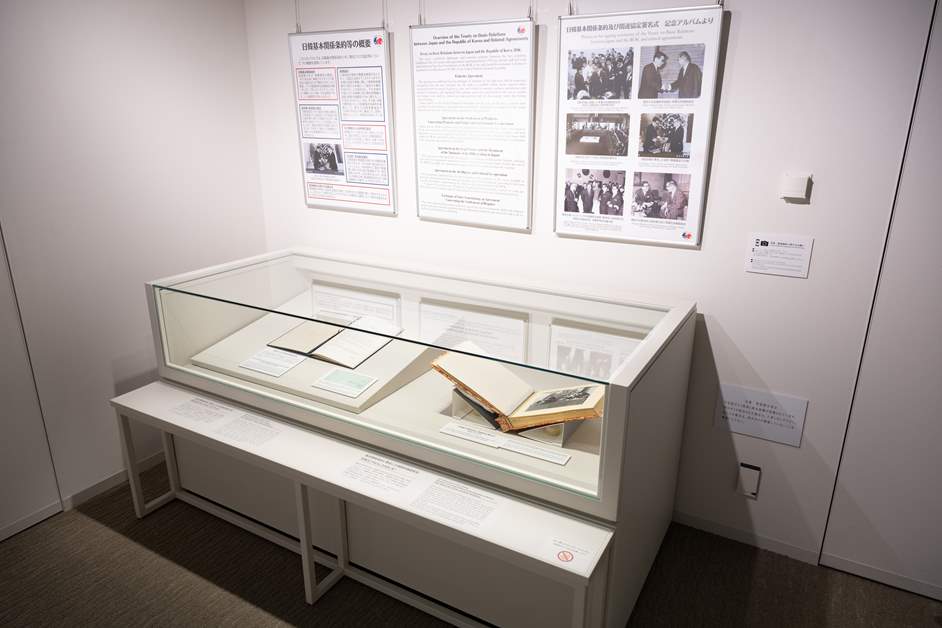
――I imagine the number of visitors from overseas is also increasing.
“Since Azabudai Hills is also a tourist attraction, about 10 percent of the visitors to our exhibition hall are foreign nationals. To accommodate international visitors, we’ve included English translations on some of the exhibition panels and have also created an English brochure. However, we currently only offer English, so we’d like to expand our multilingual support in the future.”
“Since Azabudai Hills is also a tourist attraction, about 10 percent of the visitors to our exhibition hall are foreign nationals. To accommodate international visitors, we’ve included English translations on some of the exhibition panels and have also created an English brochure. However, we currently only offer English, so we’d like to expand our multilingual support in the future.”
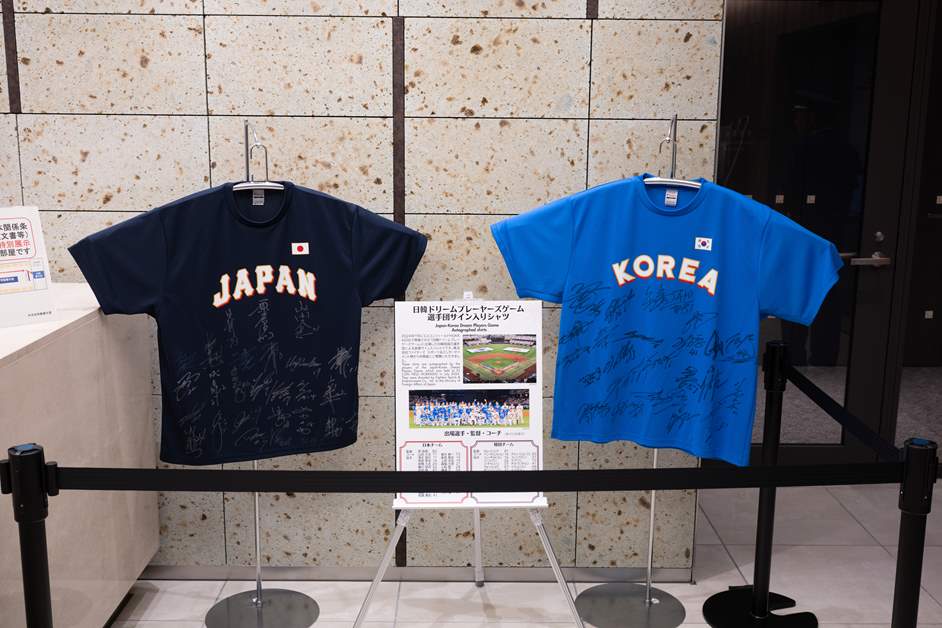
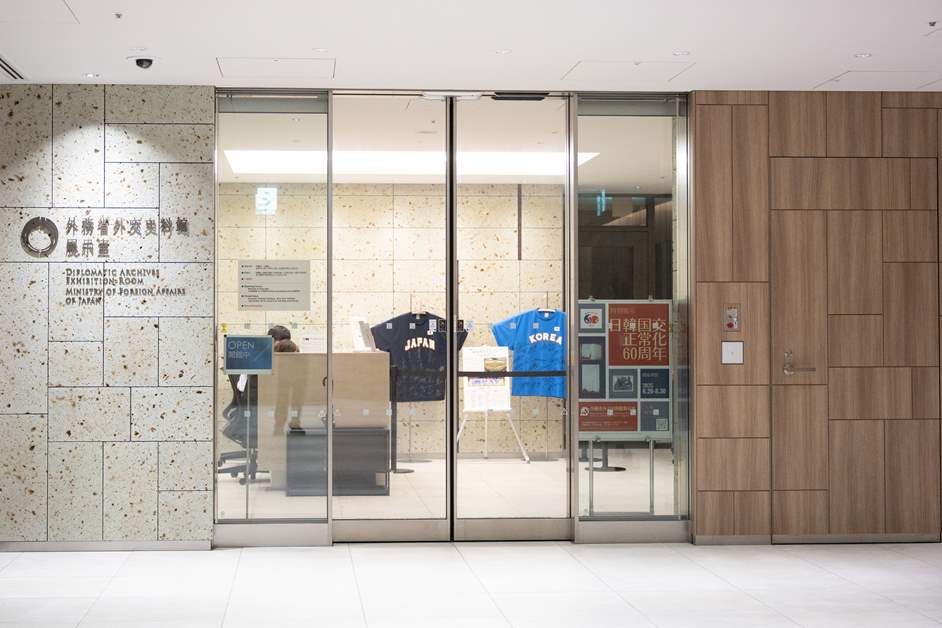
――At the entrance to the exhibition room, there are T-shirts on display autographed by Japanese and South Korean baseball players who participated in the “Japan-South Korea Dream Players Game” held in July 2024.
“These two T-shirts were donated to the Ministry of Foreign Affairs by Fighters Sports & Entertainment Co., Ltd., which operates Escon Field HOKKAIDO—the venue for the game—and are on display to commemorate this special exhibition marking the ‘60th Anniversary of the Normalization of Japan-South Korea Diplomatic Relations.’You are free to take photos inside the exhibition hall, so please feel free to snap some pictures when you visit.”
“These two T-shirts were donated to the Ministry of Foreign Affairs by Fighters Sports & Entertainment Co., Ltd., which operates Escon Field HOKKAIDO—the venue for the game—and are on display to commemorate this special exhibition marking the ‘60th Anniversary of the Normalization of Japan-South Korea Diplomatic Relations.’You are free to take photos inside the exhibition hall, so please feel free to snap some pictures when you visit.”
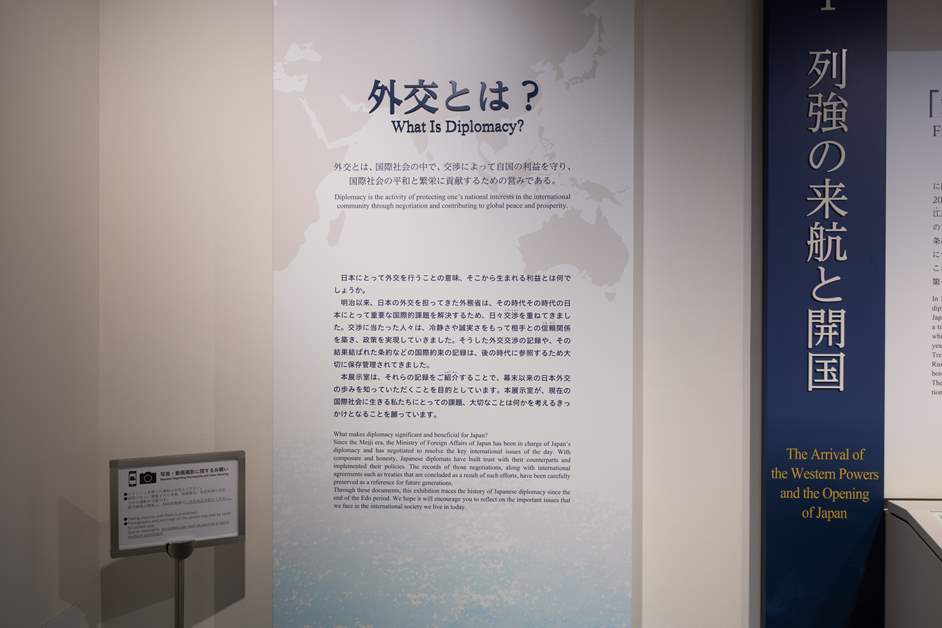
――As with the inclusion of English translations and the publication of English-language booklets, is it also part of the Diplomatic Archives’ role to disseminate information overseas?
“In addition to traditional diplomacy, which involves relations between nations, there is a concept known as ‘public diplomacy.’ ‘Public’ can be translated as ‘the general public,’ and ‘diplomacy’ means foreign relations. In other words, public diplomacy refers to diplomacy directed at the general public.Efforts to convey Japanese culture and history—including anime and manga—to the general public overseas are just as important as diplomacy between nations, and this is something the Diplomatic Archives and diplomatic missions abroad are actively focusing on.”
“In addition to traditional diplomacy, which involves relations between nations, there is a concept known as ‘public diplomacy.’ ‘Public’ can be translated as ‘the general public,’ and ‘diplomacy’ means foreign relations. In other words, public diplomacy refers to diplomacy directed at the general public.Efforts to convey Japanese culture and history—including anime and manga—to the general public overseas are just as important as diplomacy between nations, and this is something the Diplomatic Archives and diplomatic missions abroad are actively focusing on.”
――When people think of diplomacy, it inevitably seems difficult to the general public.
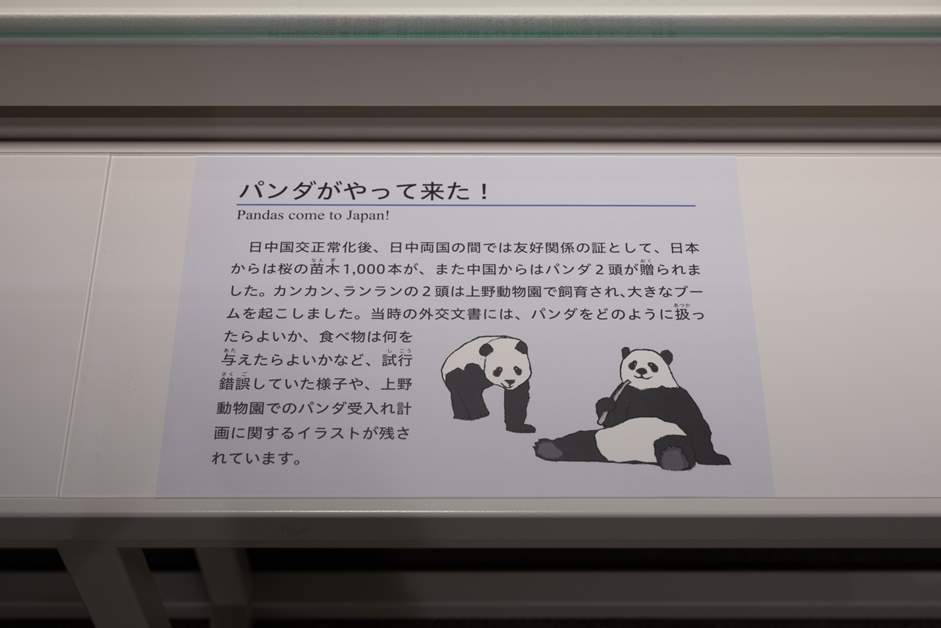
“Since diplomacy is inevitably intertwined with historical context, it’s not uncommon for people to find it difficult to understand.At the Diplomatic Archives Museum, our motto is clarity and accessibility. In this new exhibition hall, we’ve enhanced the explanations through panels and videos, and when explaining the restoration of diplomatic relations between Japan and China, we’ve highlighted the arrival of pandas in Japan—all in an effort to create exhibits that are easy to understand and approachable. Furthermore, Japan’s diplomatic history begins with the Bakumatsu period.Commodore Perry arrived in his “Black Ships” during the Bakumatsu period, the Ministry of Foreign Affairs was established in Meiji 2 (1869), and the story continues through the Taisho, Showa, Heisei, and Reiwa eras. The exhibition hall displays Japan’s diplomatic records in chronological order, so I believe visitors will come to understand how each past event is connected to the present day.”
“Since diplomacy is inevitably intertwined with historical context, it’s not uncommon for people to find it difficult to understand.At the Diplomatic Archives Museum, our motto is clarity and accessibility. In this new exhibition hall, we’ve enhanced the explanations through panels and videos, and when explaining the restoration of diplomatic relations between Japan and China, we’ve highlighted the arrival of pandas in Japan—all in an effort to create exhibits that are easy to understand and approachable. Furthermore, Japan’s diplomatic history begins with the Bakumatsu period.Commodore Perry arrived in his “Black Ships” during the Bakumatsu period, the Ministry of Foreign Affairs was established in Meiji 2 (1869), and the story continues through the Taisho, Showa, Heisei, and Reiwa eras. The exhibition hall displays Japan’s diplomatic records in chronological order, so I believe visitors will come to understand how each past event is connected to the present day.”
Features of the Renovated Exhibition Hall and Initiatives for the Future
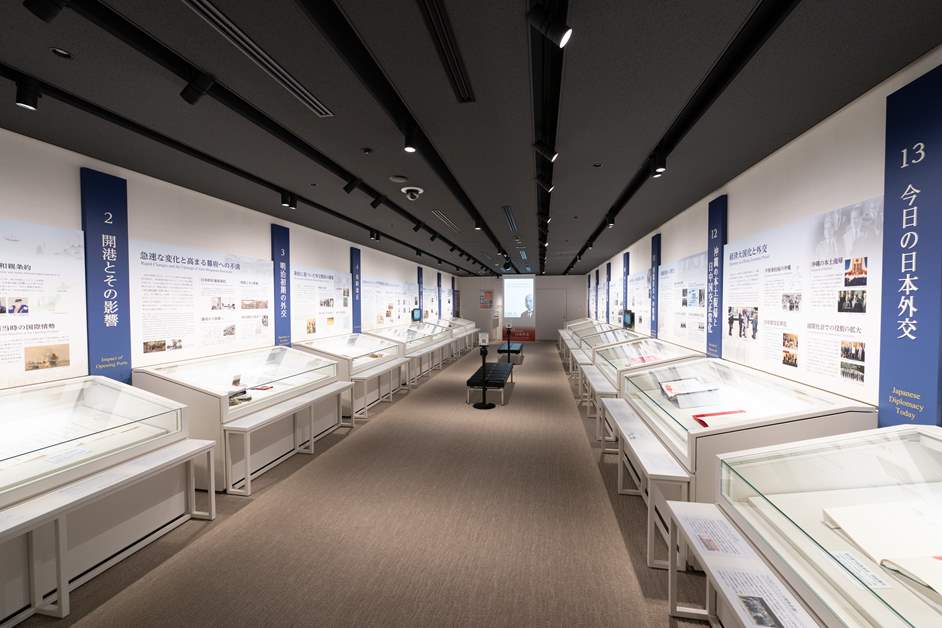
――I hear the exhibition space is larger than the previous one.
“It’s about 1.5 times larger than before.First, there is a space for the permanent exhibition tracing the history of diplomacy in Japan, and beyond that is a space for special exhibitions and other events. When there are no special exhibitions, we display materials related to former Prime Minister Shigeru Yoshida, as well as exhibits on the evolution of Japanese passports.In addition to the larger exhibition space, one of the benefits of the move was that we were able to install high-quality air conditioning equipment. Many of the treaties and related documents in our collection are quite old, and displaying them for long periods can cause damage from humidity or high temperatures, so we generally display replicas rather than the originals.However, since we do display originals on occasion, proper climate control was essential. Another major feature is the barrier-free accessibility, which was not possible in the previous exhibition room. Visitors can access the 5th-floor exhibition room from the entrance of Azabudai Hills in a wheelchair.”
“It’s about 1.5 times larger than before.First, there is a space for the permanent exhibition tracing the history of diplomacy in Japan, and beyond that is a space for special exhibitions and other events. When there are no special exhibitions, we display materials related to former Prime Minister Shigeru Yoshida, as well as exhibits on the evolution of Japanese passports.In addition to the larger exhibition space, one of the benefits of the move was that we were able to install high-quality air conditioning equipment. Many of the treaties and related documents in our collection are quite old, and displaying them for long periods can cause damage from humidity or high temperatures, so we generally display replicas rather than the originals.However, since we do display originals on occasion, proper climate control was essential. Another major feature is the barrier-free accessibility, which was not possible in the previous exhibition room. Visitors can access the 5th-floor exhibition room from the entrance of Azabudai Hills in a wheelchair.”
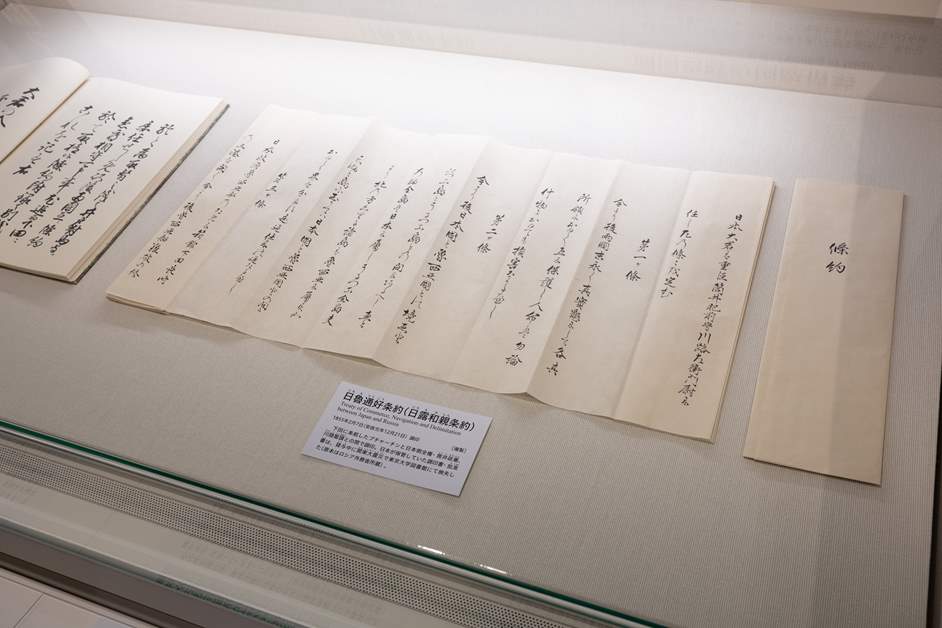
――Are all original diplomatic documents dating back to the present preserved?
“Yes. By law, we are required to preserve them permanently. Official documents from other ministries, such as the Ministry of Finance and the Ministry of Economy, Trade and Industry, are either destroyed once their retention period expires or, if they are to be retained, transferred to the National Archives of Japan.However, when it comes to documents from the Ministry of Foreign Affairs, they are treated separately—in part due to considerations regarding relations with other countries—and are preserved within the Ministry at the Diplomatic Archives. In addition to Ministry records, the Archives holds treaties, state letters, and personal letters, as well as a collection of diplomatic documents from the late Edo period that has been designated as an Important Cultural Property, resulting in a vast volume of materials.There are storage facilities, including in the basement of the main building, where approximately 120,000 items are currently housed. Furthermore, long before the Diplomatic Archives was established, the Ministry had been compiling diplomatic documents and publishing them as the *Japanese Diplomatic Documents*; to date, this series has grown to a total of 230 volumes and is utilized by researchers and others.”
“Yes. By law, we are required to preserve them permanently. Official documents from other ministries, such as the Ministry of Finance and the Ministry of Economy, Trade and Industry, are either destroyed once their retention period expires or, if they are to be retained, transferred to the National Archives of Japan.However, when it comes to documents from the Ministry of Foreign Affairs, they are treated separately—in part due to considerations regarding relations with other countries—and are preserved within the Ministry at the Diplomatic Archives. In addition to Ministry records, the Archives holds treaties, state letters, and personal letters, as well as a collection of diplomatic documents from the late Edo period that has been designated as an Important Cultural Property, resulting in a vast volume of materials.There are storage facilities, including in the basement of the main building, where approximately 120,000 items are currently housed. Furthermore, long before the Diplomatic Archives was established, the Ministry had been compiling diplomatic documents and publishing them as the *Japanese Diplomatic Documents*; to date, this series has grown to a total of 230 volumes and is utilized by researchers and others.”
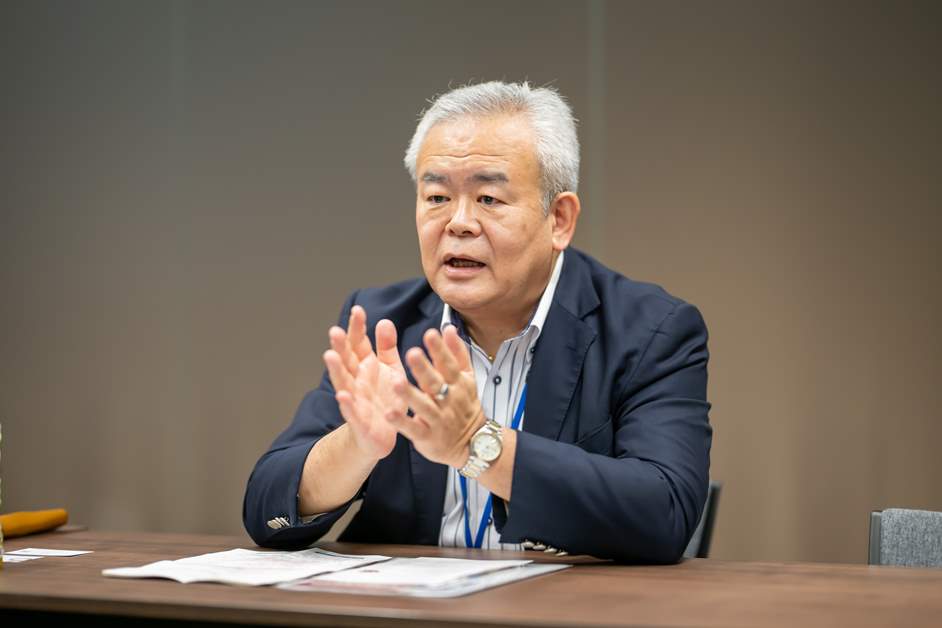
――I hear that the diplomatic documents Director Yamamoto worked on have also been transferred here.
“I served at the Ministry of Foreign Affairs for over 25 years and assumed the position of Director of the Diplomatic Archives on July 1, 2024.The Ministry of Foreign Affairs has a ‘30-year rule,’ which means that, in principle, official documents are made available to the public after 30 years. I have spent much of my career serving overseas in countries in the Middle East and North Africa, so it was a deeply moving experience for me when the documents from the Gulf Crisis—which I was directly involved in—were transferred from the Ministry to the Diplomatic Archives after 30 years.”
“I served at the Ministry of Foreign Affairs for over 25 years and assumed the position of Director of the Diplomatic Archives on July 1, 2024.The Ministry of Foreign Affairs has a ‘30-year rule,’ which means that, in principle, official documents are made available to the public after 30 years. I have spent much of my career serving overseas in countries in the Middle East and North Africa, so it was a deeply moving experience for me when the documents from the Gulf Crisis—which I was directly involved in—were transferred from the Ministry to the Diplomatic Archives after 30 years.”
――So,
this is where records of diplomatic relations with various countries are preserved, is that right?
“Yes. In fact, two heads of state have visited the exhibition rooms at the Diplomatic Archives in the past.In 2019, the President of Lithuania visited the main building, and in 2025, the President of Guatemala visited the new exhibition hall after the relocation, where they viewed official documents closely tied to their respective countries. These events marked a moment when the Diplomatic Archives—which could be described as the ‘back office’ of diplomacy—became the very front lines of diplomacy.We were also very pleased that they took an interest in the records of Japan’s diplomacy.”
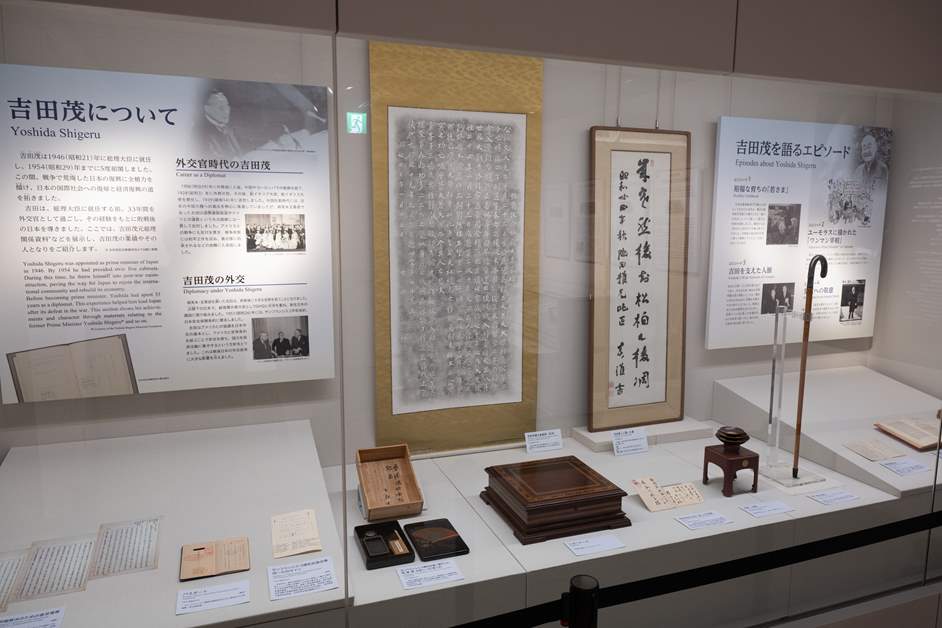
――I heard that members of Japan’s National Diet have also visited.
“Yoko Kamikawa, a member of the House of Representatives who was the Minister of Foreign Affairs at the time, attended the opening ceremony when the museum relocated, as well as the ‘Shigeru Yoshida Exhibition,’ which ran from April through the end of May this year.The ‘Shigeru Yoshida Exhibition’ was a special exhibition commemorating the first anniversary of the exhibition hall’s reopening, and former Prime Minister Taro Aso—who is the grandson of former Prime Minister Shigeru Yoshida and has also served as Minister of Foreign Affairs—came to see it as well.”
“Yoko Kamikawa, a member of the House of Representatives who was the Minister of Foreign Affairs at the time, attended the opening ceremony when the museum relocated, as well as the ‘Shigeru Yoshida Exhibition,’ which ran from April through the end of May this year.The ‘Shigeru Yoshida Exhibition’ was a special exhibition commemorating the first anniversary of the exhibition hall’s reopening, and former Prime Minister Taro Aso—who is the grandson of former Prime Minister Shigeru Yoshida and has also served as Minister of Foreign Affairs—came to see it as well.”
――What are your plans for conveying the nature of Japan’s diplomacy to the younger generation?
“Diplomacy is the process of contributing to the peace and prosperity of the international community as a whole while safeguarding our nation’s interests through negotiation. Although it involves relations between nations, it is actually people who are conducting the negotiations.There is top-level diplomacy, such as between the Prime Minister and a President; there are high-level talks at the ministerial level; and there is the working-level diplomacy carried out by people like us. I’d like to provide explanations that shed light on these various aspects. Also, though this might sound a bit too casual, I think it’s easier to understand if we compare Japan’s 150-year diplomatic history to a person’s life.The image is of Japan—a diplomatic “infant” that had just opened its doors at the end of the Edo period—striving throughout the Meiji era to catch up with the West, succeeding in joining the ranks of the great powers, then plunging into the world wars, and finally maturing through international contributions after its postwar return to the international community.In this way, by experimenting with various approaches to communication, I hope to help foster a better understanding of Japan’s diplomatic history.”
“Diplomacy is the process of contributing to the peace and prosperity of the international community as a whole while safeguarding our nation’s interests through negotiation. Although it involves relations between nations, it is actually people who are conducting the negotiations.There is top-level diplomacy, such as between the Prime Minister and a President; there are high-level talks at the ministerial level; and there is the working-level diplomacy carried out by people like us. I’d like to provide explanations that shed light on these various aspects. Also, though this might sound a bit too casual, I think it’s easier to understand if we compare Japan’s 150-year diplomatic history to a person’s life.The image is of Japan—a diplomatic “infant” that had just opened its doors at the end of the Edo period—striving throughout the Meiji era to catch up with the West, succeeding in joining the ranks of the great powers, then plunging into the world wars, and finally maturing through international contributions after its postwar return to the international community.In this way, by experimenting with various approaches to communication, I hope to help foster a better understanding of Japan’s diplomatic history.”
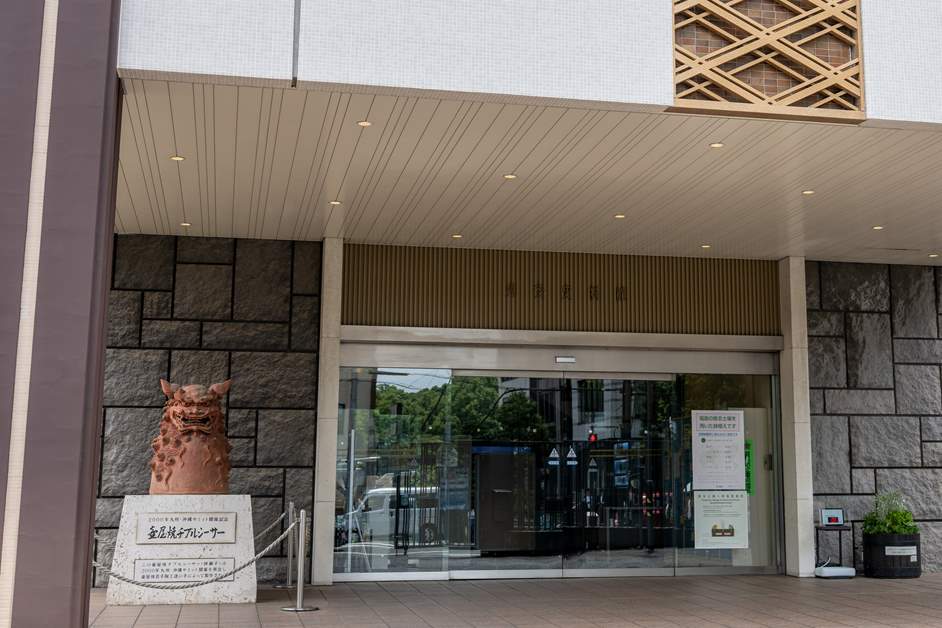
――Please tell us about the reading room as well.
“In the reading room located in the Main Building, we offer viewing and copying services for the pre-war and post-war diplomatic records held by the Diplomatic Archives to those who have completed the registration process. Our users are primarily researchers, students, and members of the media.I recommend first taking a look at the exhibition hall, and if you find yourself wanting to learn more about diplomacy or see the actual historical documents, I think it would be best to visit the Main Building—located next to Azabudai Hills Mori JP Tower—and use the reading room.”
“In the reading room located in the Main Building, we offer viewing and copying services for the pre-war and post-war diplomatic records held by the Diplomatic Archives to those who have completed the registration process. Our users are primarily researchers, students, and members of the media.I recommend first taking a look at the exhibition hall, and if you find yourself wanting to learn more about diplomacy or see the actual historical documents, I think it would be best to visit the Main Building—located next to Azabudai Hills Mori JP Tower—and use the reading room.”
――Thank you very much. Finally, could you please share a message for our readers?
“The exhibition hall at the Museum of Diplomatic History, which reopened on April 5, 2024, is located in the Azabudai Hills Mori JP Tower—Japan’s tallest building—and offers a free opportunity to learn about Japan’s diplomatic history.Everyone is welcome, whether you’re interested in diplomacy and history or not. We hope you’ll come visit us sometime.”
“The exhibition hall at the Museum of Diplomatic History, which reopened on April 5, 2024, is located in the Azabudai Hills Mori JP Tower—Japan’s tallest building—and offers a free opportunity to learn about Japan’s diplomatic history.Everyone is welcome, whether you’re interested in diplomacy and history or not. We hope you’ll come visit us sometime.”
《Ministry of Foreign Affairs Diplomatic Archives & Exhibition Hall》
Location: 5th Floor
, Azabudai Hills Mori JP Tower, 1-3-1 Azabudai, Minato-ku, Tokyo Hours: Monday through Saturday (10:00 a.m. to 5:30 p.m.; *Last admission at 5:00 p.m.)
Closed: Sundays, national holidays, the year-end and New Year’s holidays (December 28–January 4 of the following year), and any other days
officially announced as temporary closures Admission: Free
*Please check the official website below for details.
https://www.mofa.go.jp/Mofaj/annai/honsho/shiryo/index.html