



MINATO CITY NEXT AMBASSADOR Interviews People Who Work Along Minato City’s Waterfront: Reimagining Minato City from the Water. 33 Years Since Its Founding—The Changes Along the Waterfront Witnessed by Zeal Co., Ltd. and the Future of Tokyo
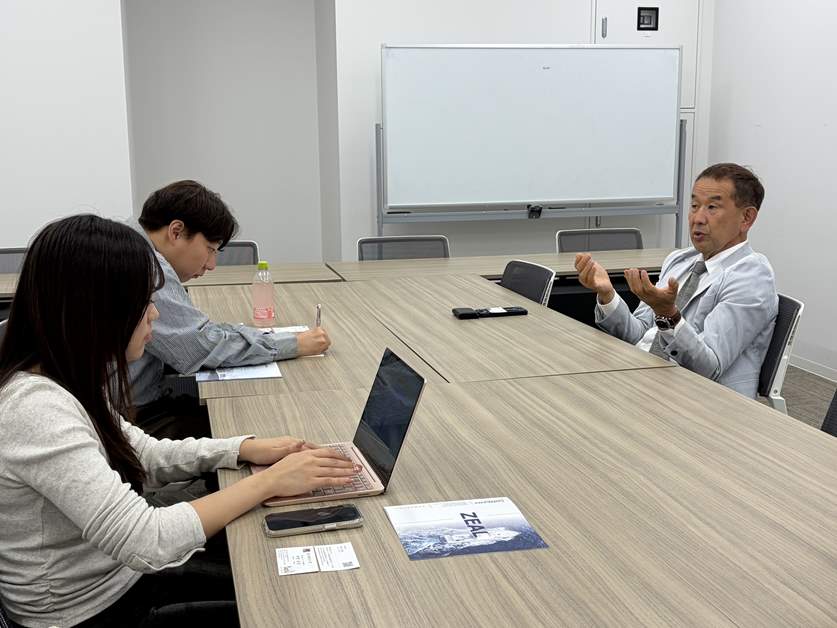
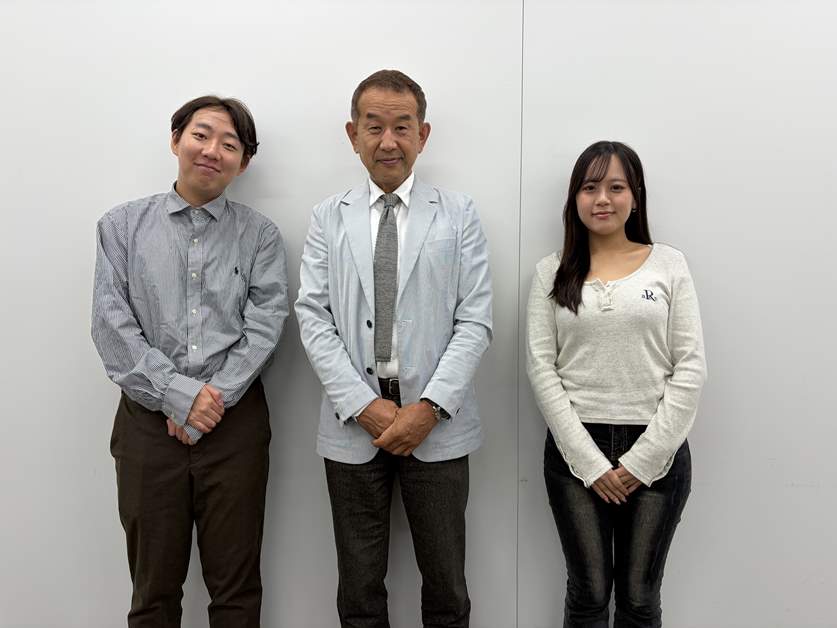
The MINATO CITY NEXT AMBASSADORS interviewed business owners working in Minato Ward. For the first installment, Ms. Shiotani and Ms. Che conducted the interview with Mr. Hirano of Zeal Co., Ltd., a company based primarily in Minato Ward that operates boats throughout Tokyo. The student tourism ambassadors have written about what they learned and how they felt during the interview in their own words.
It’s about a 10-minute walk from Hamamatsucho Station to Takeshiba Pier. As you pass between the buildings, you’ll come to a canal, and beyond it lies Tokyo Bay. The Rainbow Bridge, Takeshiba Pier, the Shibaura and coastal areas, and Odaiba across the bay—the outline of Minato Ward is easier to grasp when viewed from the water than by following a map on land.
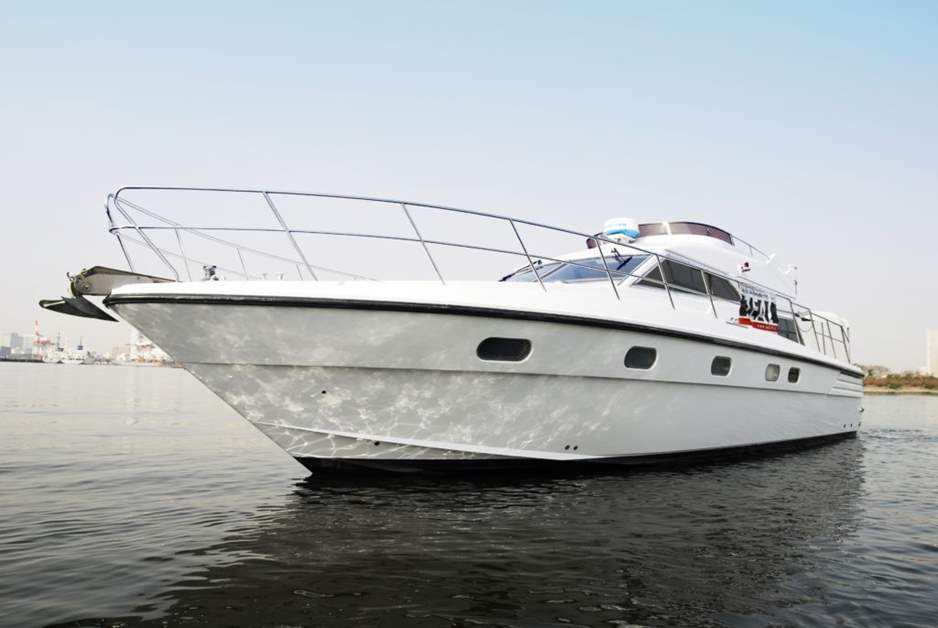
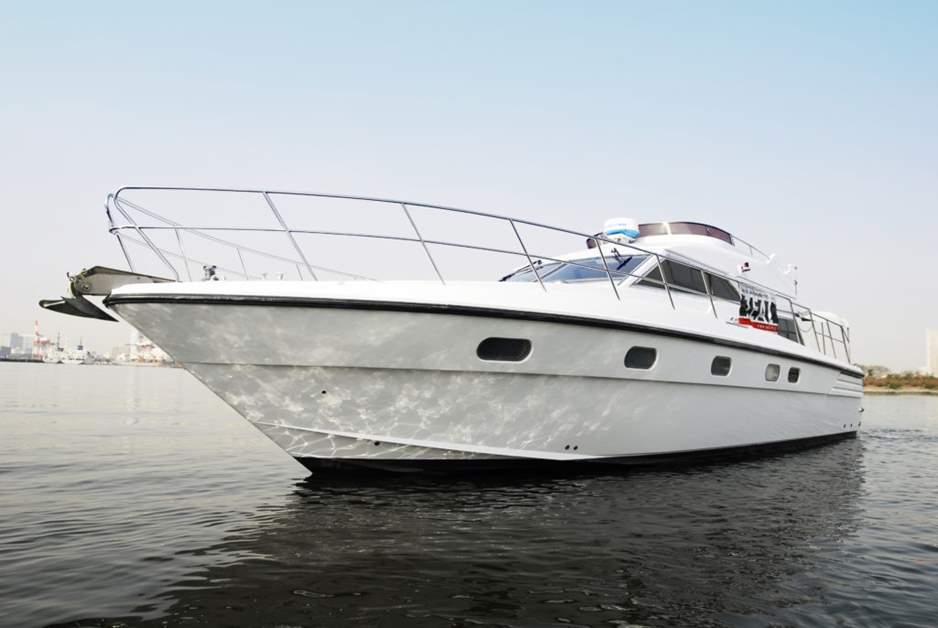
For 33 years, Zeal Co., Ltd. has been conducting boat-related business along this waterfront. It all began with event production. The company planned events and parties held on boats, as well as film and TV drama shoots. Eventually, it acquired its own vessels, and today—with sightseeing cruises as its core business—it handles everything from vessel sales and management to sales support and the development of new water-based experiences.
During our interview, we discussed the company’s history, the lesser-known facets of Minato Ward, the waterfront experiences they wish to share with international visitors, and the challenges facing Tokyo’s water transport system. A recurring theme in our conversation was the idea that boats can serve a role beyond simply being a means of transportation or a tourist attraction. They are a place that connects the city’s memories with the experiences yet to be created.
For 33 years, Zeal Co., Ltd. has been conducting boat-related business along this waterfront. It all began with event production. The company planned events and parties held on boats, as well as film and TV drama shoots. Eventually, it acquired its own vessels, and today—with sightseeing cruises as its core business—it handles everything from vessel sales and management to sales support and the development of new water-based experiences.
During our interview, we discussed the company’s history, the lesser-known facets of Minato Ward, the waterfront experiences they wish to share with international visitors, and the challenges facing Tokyo’s water transport system. A recurring theme in our conversation was the idea that boats can serve a role beyond simply being a means of transportation or a tourist attraction. They are a place that connects the city’s memories with the experiences yet to be created.
The 33rd Year of Kaigan-dori
――Please tell us about the company’s beginnings and its current operations.
“We were founded in Minato Ward’s Kaigan area, near the Rainbow Bridge. The interview coincided with our 33rd anniversary, which makes this a particularly meaningful occasion. We started out as a production company, organizing events, parties, and photo shoots on boats. Later, after acquiring our own boats and registering as a shipping company, we began to fully engage in the tourism business. Now, in addition to offering cruises on our own passenger ships, we also handle the sale, management, and sales operations of boats.”
――So you didn’t own a boat right from the start.
“Back then, we didn’t have enough capital to buy a boat right away. We started by renting the boats we needed and connecting them with our clients and event concepts. The experience we gained through that process forms the foundation of our current business.”
This is a company that focused on what to create with the boats before actually owning them. Pier availability, weather, tide levels, passenger flow, food and beverage, entertainment, and photography conditions—making a single voyage a success requires a cumulative effort of coordinating all these factors. That 33-year accumulation of experience serves as the foundation for devising new programs.
“We were founded in Minato Ward’s Kaigan area, near the Rainbow Bridge. The interview coincided with our 33rd anniversary, which makes this a particularly meaningful occasion. We started out as a production company, organizing events, parties, and photo shoots on boats. Later, after acquiring our own boats and registering as a shipping company, we began to fully engage in the tourism business. Now, in addition to offering cruises on our own passenger ships, we also handle the sale, management, and sales operations of boats.”
――So you didn’t own a boat right from the start.
“Back then, we didn’t have enough capital to buy a boat right away. We started by renting the boats we needed and connecting them with our clients and event concepts. The experience we gained through that process forms the foundation of our current business.”
This is a company that focused on what to create with the boats before actually owning them. Pier availability, weather, tide levels, passenger flow, food and beverage, entertainment, and photography conditions—making a single voyage a success requires a cumulative effort of coordinating all these factors. That 33-year accumulation of experience serves as the foundation for devising new programs.
The Elusiveness of a Mature City
Minato Ward is home to a diverse mix of embassies, hotels, corporations, cultural facilities, residential areas, and port operations. It also boasts a broad spectrum of visitors, workers, and residents. Precisely because it is already a fully developed urban center, it is difficult to describe “Minato Ward as a tourist destination” in a single phrase.
――How do you perceive the appeal of Minato Ward?
“I think it’s a vibrant area where many people live and work. At the same time, it’s a city that has thrived as an urban center without specifically promoting itself as a tourist destination. Perhaps in the past, there was a sense that there was no need to actively promote it. However, over the past decade or so, there has been a growing movement within the Minato City Tourism Association to rethink what we can offer in Minato City and what we should do moving forward.”
This isn’t to say the district lacks tourist attractions. Quite the opposite. History, culture, waterfront areas, and international flair are scattered throughout the city. That’s precisely why, rather than highlighting a single major landmark, we need to connect these smaller points of interest into a cohesive whole.
――Specifically, what kinds of “hidden charms” are there?
“For example, the Tamachi area has a long history of sake brewing culture. While it may not be widely known, there are examples where the story that has continued since the Edo period is being carried forward into the present, and successors are reimagining it as new spaces and experiences. Sophisticated venues centered on sake are naturally woven into the everyday life of Minato Ward. This is a depth of experience you wouldn’t discover just by visiting famous tourist spots.”
――How do you perceive the appeal of Minato Ward?
“I think it’s a vibrant area where many people live and work. At the same time, it’s a city that has thrived as an urban center without specifically promoting itself as a tourist destination. Perhaps in the past, there was a sense that there was no need to actively promote it. However, over the past decade or so, there has been a growing movement within the Minato City Tourism Association to rethink what we can offer in Minato City and what we should do moving forward.”
This isn’t to say the district lacks tourist attractions. Quite the opposite. History, culture, waterfront areas, and international flair are scattered throughout the city. That’s precisely why, rather than highlighting a single major landmark, we need to connect these smaller points of interest into a cohesive whole.
――Specifically, what kinds of “hidden charms” are there?
“For example, the Tamachi area has a long history of sake brewing culture. While it may not be widely known, there are examples where the story that has continued since the Edo period is being carried forward into the present, and successors are reimagining it as new spaces and experiences. Sophisticated venues centered on sake are naturally woven into the everyday life of Minato Ward. This is a depth of experience you wouldn’t discover just by visiting famous tourist spots.”
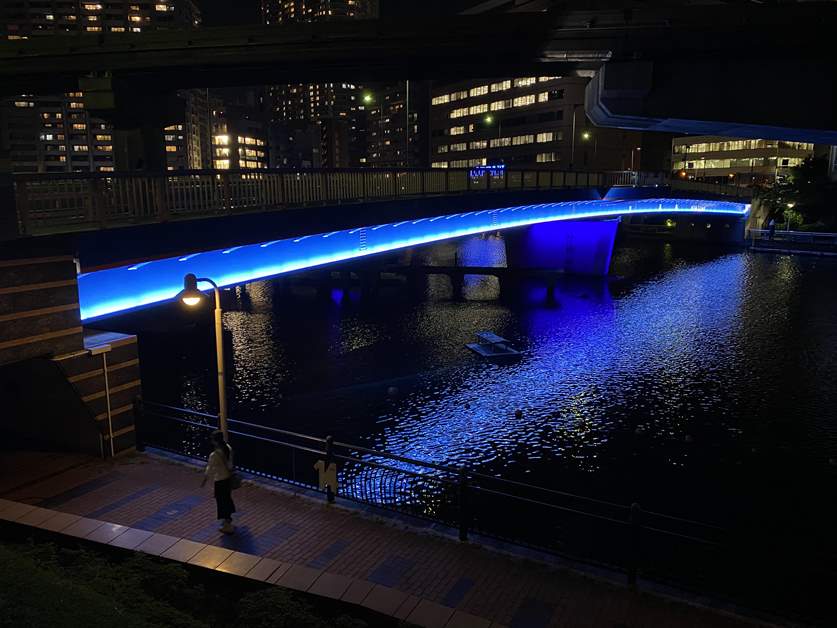
The Shibaura and Kaigan areas are neighborhoods built upon a history of land reclamation and port operations. If you look only at the roads and buildings, it appears to be nothing more than a modern corner of the city center. However, when you shift your perspective to the water, you realize that this is a land that has developed with the sea and canals as its backbone. Why is there a port here? Why have hotels and offices clustered here? And why is the waterfront attracting so much attention now? When you examine these questions in order, Minato Ward begins to emerge as a place where layers from different eras have accumulated.
From a town where you just stay the night
Minato Ward is home to many hotels and hosts both international business travelers and tourists. However, while they may stay in Minato Ward, quite a few people head out to other neighborhoods for dining and sightseeing.
—What aspects of Minato Ward’s appeal would you like international visitors to experience?
“When people think of Tokyo’s tourist spots, well-known places like Asakusa, Roppongi, and Odaiba come to mind first. But Minato Ward has many charms that haven’t been fully communicated yet. We want to encourage visitors to do more than just stay at a hotel—we want to increase opportunities for them to dine within the ward, experience its culture, and spend time by the water.”
In port cities around the world, rivers, canals, and the waterfront are used daily as settings for dining, strolling, and transportation. People dine on boats, spend time on waterfront terraces, and use boats as a means of transportation. Many travelers are accustomed to this way of life.
――You’re saying that water-based activities are likely to be well-received by international travelers as well.
“Many people are already familiar with waterfront culture, and I believe there is a demand to spend time by the water even while traveling. However, it cannot be said that Tokyo currently has a sufficiently developed environment where people can casually linger and enjoy the waterfront. Minato Ward has canals, the ocean, and scenic views. If more restaurants and services were established along the waterfront, creating an environment where travelers can feel comfortable using these spaces, Minato Ward could become a pioneering model.”
—What aspects of Minato Ward’s appeal would you like international visitors to experience?
“When people think of Tokyo’s tourist spots, well-known places like Asakusa, Roppongi, and Odaiba come to mind first. But Minato Ward has many charms that haven’t been fully communicated yet. We want to encourage visitors to do more than just stay at a hotel—we want to increase opportunities for them to dine within the ward, experience its culture, and spend time by the water.”
In port cities around the world, rivers, canals, and the waterfront are used daily as settings for dining, strolling, and transportation. People dine on boats, spend time on waterfront terraces, and use boats as a means of transportation. Many travelers are accustomed to this way of life.
――You’re saying that water-based activities are likely to be well-received by international travelers as well.
“Many people are already familiar with waterfront culture, and I believe there is a demand to spend time by the water even while traveling. However, it cannot be said that Tokyo currently has a sufficiently developed environment where people can casually linger and enjoy the waterfront. Minato Ward has canals, the ocean, and scenic views. If more restaurants and services were established along the waterfront, creating an environment where travelers can feel comfortable using these spaces, Minato Ward could become a pioneering model.”
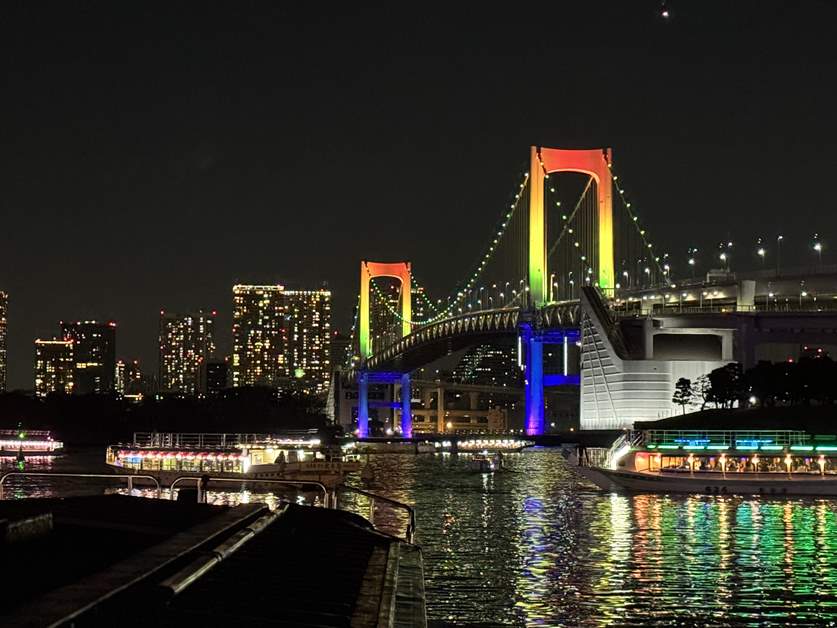
Take a short walk from the hotel to board a boat, admire the Rainbow Bridge and the city lights from a different perspective than from land, and experience Japanese cuisine and culture on board. “Seeing” famous sights and “spending” time in a way that’s unique to that city are two different things. The feel of the wind and waves, the guide’s narration—it is in these elements that cannot be captured in a photograph that the seeds of immersive tourism lie.
The street where there used to be an oden food stall
Having been in the same area for 33 years, I’ve witnessed certain changes. Redevelopment has progressed in the areas around Shibaura, the waterfront, and Takeshiba, and the landscape has changed significantly.
――Over the 33 years you’ve been running your business in Minato Ward, how have you perceived the changes in the neighborhood?
“The areas around Shibaura and Kaigan have changed dramatically. In the past, there were many people working at the port, and there were cafeterias, lodging facilities, and snack bars catering to them. Along the road from Hamamatsucho Station to Takeshiba Pier, there used to be rows of oden food stalls, and there was a culture where people heading to the islands would stop for a drink before departure or on their way back. You hardly see that kind of scene anymore. It’s natural for a city to change with the times, but it’s a little sad that the atmosphere and stories of that era are becoming harder to see.”
This isn’t to say things were better in the past. The workers who supported the Port of Tokyo, the back-and-forth of people traveling to the islands, and the restaurants and food stalls around the pier—long before the waterfront became a tourist attraction, this was a place of daily life and work. Those layers of time are piled up beneath the polished landscape we see today.
――Are there any places or aspects of culture you’d like to preserve?
“It’s not a matter of preserving everything old. However, I’d like to document places with history and stories as much as possible and pass them on to the next generation. Overseas, buildings and streetscapes from hundreds of years ago remain, and that’s what draws people in. Tokyo also has things—like shrines, temples, gardens, and long-standing shops—that cannot be easily recreated once they’re lost. While change is sometimes unavoidable due to land or business circumstances, I feel that when a place disappears, the city’s memories also gradually fade.”
Even if a building cannot be preserved as-is, there are ways to pass on its legacy through photographs, oral histories, maps, guided tours, and experiential programs. Land prices, maintenance costs, business succession, and safety standards—there are many practical obstacles to preserving historic sites. That’s why the question becomes: what should we document before these places are lost? Viewing the city from the water also provides a moment to revisit those records.
――Over the 33 years you’ve been running your business in Minato Ward, how have you perceived the changes in the neighborhood?
“The areas around Shibaura and Kaigan have changed dramatically. In the past, there were many people working at the port, and there were cafeterias, lodging facilities, and snack bars catering to them. Along the road from Hamamatsucho Station to Takeshiba Pier, there used to be rows of oden food stalls, and there was a culture where people heading to the islands would stop for a drink before departure or on their way back. You hardly see that kind of scene anymore. It’s natural for a city to change with the times, but it’s a little sad that the atmosphere and stories of that era are becoming harder to see.”
This isn’t to say things were better in the past. The workers who supported the Port of Tokyo, the back-and-forth of people traveling to the islands, and the restaurants and food stalls around the pier—long before the waterfront became a tourist attraction, this was a place of daily life and work. Those layers of time are piled up beneath the polished landscape we see today.
――Are there any places or aspects of culture you’d like to preserve?
“It’s not a matter of preserving everything old. However, I’d like to document places with history and stories as much as possible and pass them on to the next generation. Overseas, buildings and streetscapes from hundreds of years ago remain, and that’s what draws people in. Tokyo also has things—like shrines, temples, gardens, and long-standing shops—that cannot be easily recreated once they’re lost. While change is sometimes unavoidable due to land or business circumstances, I feel that when a place disappears, the city’s memories also gradually fade.”
Even if a building cannot be preserved as-is, there are ways to pass on its legacy through photographs, oral histories, maps, guided tours, and experiential programs. Land prices, maintenance costs, business succession, and safety standards—there are many practical obstacles to preserving historic sites. That’s why the question becomes: what should we document before these places are lost? Viewing the city from the water also provides a moment to revisit those records.
Systems, Ramps, and Awareness
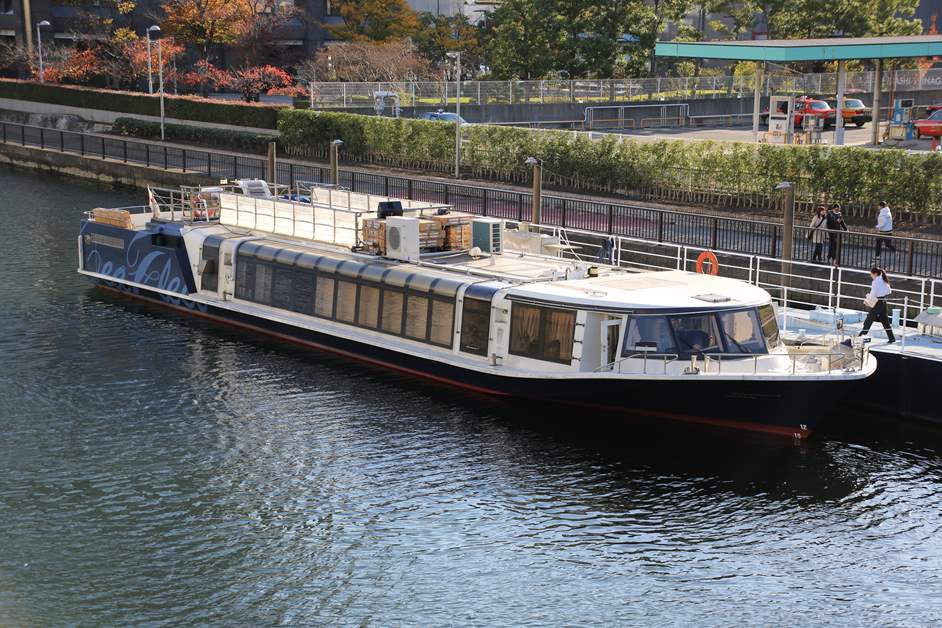
The idea of establishing boats as a mode of transportation in Tokyo has been discussed many times before. In a city with such a well-developed rail network, few people choose boats simply for the sake of speed. If that is the case, we need to demonstrate the unique value that waterborne transportation offers.
—What challenges are involved in utilizing boats as a mode of transportation in Tokyo?
“In the past, the Port of Tokyo was primarily focused on logistics, which made it difficult to use freely for tourism or leisure. I believe the regulations governing the port were also designed with logistics in mind. However, in recent years, the Tokyo Metropolitan Government has been promoting the use of water transportation, and the situation has changed significantly compared to before. The conditions for developing piers are gradually being revised, and I feel we’re making progress on the regulatory front.”
――What kinds of problems arise in actual operations?
“The number of piers, accessibility standards, and the angle of the ramps, which varies with the tide—there are quite a few practical issues. Because water levels fluctuate along the Tokyo Bay coastline, there are times when a ramp’s slope exceeds safety standards and cannot be used. As a result, we are sometimes forced to suspend operations. Improving the facilities involves significant costs. Both the boat operators and the pier operators need to work together to create an environment that everyone can use with peace of mind.”
—What challenges are involved in utilizing boats as a mode of transportation in Tokyo?
“In the past, the Port of Tokyo was primarily focused on logistics, which made it difficult to use freely for tourism or leisure. I believe the regulations governing the port were also designed with logistics in mind. However, in recent years, the Tokyo Metropolitan Government has been promoting the use of water transportation, and the situation has changed significantly compared to before. The conditions for developing piers are gradually being revised, and I feel we’re making progress on the regulatory front.”
――What kinds of problems arise in actual operations?
“The number of piers, accessibility standards, and the angle of the ramps, which varies with the tide—there are quite a few practical issues. Because water levels fluctuate along the Tokyo Bay coastline, there are times when a ramp’s slope exceeds safety standards and cannot be used. As a result, we are sometimes forced to suspend operations. Improving the facilities involves significant costs. Both the boat operators and the pier operators need to work together to create an environment that everyone can use with peace of mind.”
――What is the biggest challenge, aside from systems and facilities?
“I think the biggest challenge is raising awareness. Even if we create new routes, people won’t use them if they don’t know about them. When we operated a regular weekday route, the feedback from those who rode it was very positive. There’s real value in the experience of seeing Tokyo from the water with a guide. However, it’s not well known among people who work in the area or the younger generation, so it doesn’t even make it onto their list of options before they decide to ride. That’s the challenge.”
Boats with clear pricing and travel times that passengers can easily hop on while strolling through the city. These aren’t just for special events; they have the potential to become an everyday option for urban tourism. Asakusa, Nihonbashi, the Ginza area, Odaiba, and Takeshiba. If these hubs connect seamlessly with existing rail and bus lines, a new realm will emerge between tourism and everyday transportation.
Rather than competing with trains for speed in commuter transport, the goal is to incorporate scenery, guided commentary, and stories into the travel time itself. The key to establishing this service lies in whether transportation operators, hotels, tourist facilities, and local businesses can consistently create touchpoints that naturally make people think, “Let’s take the boat today.”
“I think the biggest challenge is raising awareness. Even if we create new routes, people won’t use them if they don’t know about them. When we operated a regular weekday route, the feedback from those who rode it was very positive. There’s real value in the experience of seeing Tokyo from the water with a guide. However, it’s not well known among people who work in the area or the younger generation, so it doesn’t even make it onto their list of options before they decide to ride. That’s the challenge.”
Boats with clear pricing and travel times that passengers can easily hop on while strolling through the city. These aren’t just for special events; they have the potential to become an everyday option for urban tourism. Asakusa, Nihonbashi, the Ginza area, Odaiba, and Takeshiba. If these hubs connect seamlessly with existing rail and bus lines, a new realm will emerge between tourism and everyday transportation.
Rather than competing with trains for speed in commuter transport, the goal is to incorporate scenery, guided commentary, and stories into the travel time itself. The key to establishing this service lies in whether transportation operators, hotels, tourist facilities, and local businesses can consistently create touchpoints that naturally make people think, “Let’s take the boat today.”
A Large Boat for Two
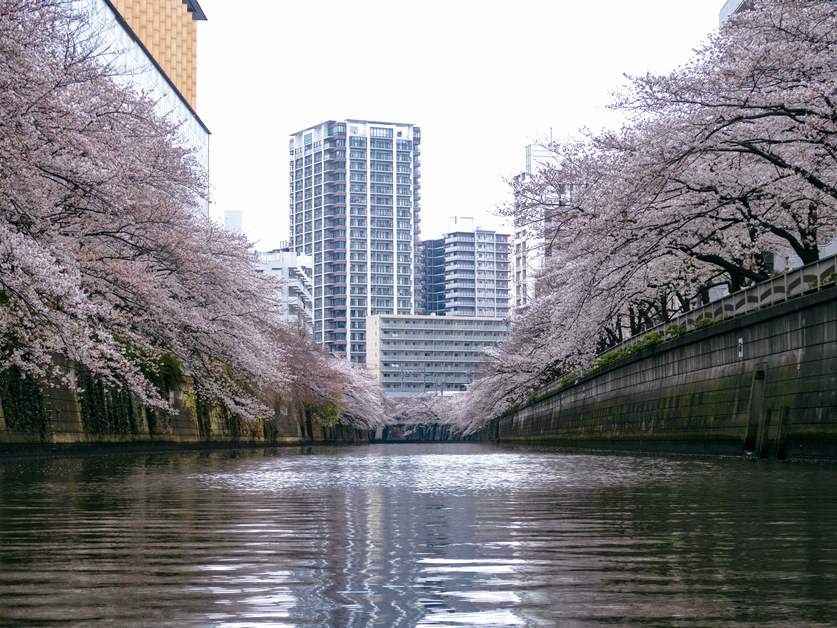
The company has organized a series of cruises that capitalize on the unique characteristics of each season and location. These include itineraries where the appeal is immediately clear—such as a spring cruise on the Meguro River to view the cherry blossoms—and experiences that allow passengers to enjoy the sights of Odaiba from the water as they pass by the Takeshiba area. The company continues to develop products that offer a different perspective on the cityscape than what can be experienced from land.
――How do you plan new cruises?
“There are still many elements we can incorporate. For example, with our cruise that lets guests enjoy the Odaiba fountain show from the water, they can experience the spectacle up close—unlike from land—which leads to higher customer satisfaction. However, even if we create a great product, it won’t gain traction unless people know about it. We need to collaborate with major corporations and local stakeholders, and create systems that make it easy for international travelers to book. We also need to think about how to promote these experiences at the same time.”
Travelers search for local experiences through the booking sites, social media, and videos they use every day. If an experience doesn’t appear in search results or suggested itineraries, people won’t book it—no matter how good it is. We have no choice but to design planning, sales, and promotion simultaneously.
――What kind of product would you particularly like to bring to life in the future?
“I’m thinking of a product where a small group of two or three people can have exclusive use of a large boat and deeply experience Japanese culture onboard. Traditional Japanese music, the shamisen, the shakuhachi, dance, kimono, the tea ceremony, and culinary culture. We have connections with people who are seriously dedicated to preserving these traditions. We want guests to experience these cultures firsthand, exclusively for them. We aim to embody a uniquely Japanese worldview—one that goes beyond what a traditional yakatabune can offer—and to give shape to the concepts of wabi and sabi, which can only be expressed on our ships.”
Two or three people on a large boat. It’s a concept that runs counter to efficiency. We create a quiet space—isolated from the surrounding city center—where a small group of travelers can engage directly with the people who carry these cultural traditions. The strength of the boat as a setting lies in its ability to weave together scenery, cuisine, performing arts, and storytelling into a single, cohesive experience.
――How do you plan new cruises?
“There are still many elements we can incorporate. For example, with our cruise that lets guests enjoy the Odaiba fountain show from the water, they can experience the spectacle up close—unlike from land—which leads to higher customer satisfaction. However, even if we create a great product, it won’t gain traction unless people know about it. We need to collaborate with major corporations and local stakeholders, and create systems that make it easy for international travelers to book. We also need to think about how to promote these experiences at the same time.”
Travelers search for local experiences through the booking sites, social media, and videos they use every day. If an experience doesn’t appear in search results or suggested itineraries, people won’t book it—no matter how good it is. We have no choice but to design planning, sales, and promotion simultaneously.
――What kind of product would you particularly like to bring to life in the future?
“I’m thinking of a product where a small group of two or three people can have exclusive use of a large boat and deeply experience Japanese culture onboard. Traditional Japanese music, the shamisen, the shakuhachi, dance, kimono, the tea ceremony, and culinary culture. We have connections with people who are seriously dedicated to preserving these traditions. We want guests to experience these cultures firsthand, exclusively for them. We aim to embody a uniquely Japanese worldview—one that goes beyond what a traditional yakatabune can offer—and to give shape to the concepts of wabi and sabi, which can only be expressed on our ships.”
Two or three people on a large boat. It’s a concept that runs counter to efficiency. We create a quiet space—isolated from the surrounding city center—where a small group of travelers can engage directly with the people who carry these cultural traditions. The strength of the boat as a setting lies in its ability to weave together scenery, cuisine, performing arts, and storytelling into a single, cohesive experience.
Tokyo as Seen from the Land
While cruises are a form of tourism, they are more than just that. They encompass the life stories of those who worked in the Port of Tokyo, as well as the current scene—where hotels and businesses are concentrated—and travelers who have begun to spend time by the water. On board the ship, all of these elements coexist within the same landscape.
Regulations, piers, profitability, and public awareness—there are many challenges. Yet the fact remains that those who have taken a cruise once consistently give positive feedback. There is a side of Tokyo invisible from land, and Minato Ward has the means to reveal it. Beyond the city where people live and work—if Minato Ward were to become a destination in its own right, its gateway would likely lie on the water.
With the cooperation of Zeal Co., Ltd. (https://www.zeal.ne.jp/)
Reporting and Composition: Choi Hyun-seok / Misaki Shiotani
Regulations, piers, profitability, and public awareness—there are many challenges. Yet the fact remains that those who have taken a cruise once consistently give positive feedback. There is a side of Tokyo invisible from land, and Minato Ward has the means to reveal it. Beyond the city where people live and work—if Minato Ward were to become a destination in its own right, its gateway would likely lie on the water.
With the cooperation of Zeal Co., Ltd. (https://www.zeal.ne.jp/)
Reporting and Composition: Choi Hyun-seok / Misaki Shiotani