



What Makes the Shiba Daijingu “Dara-Dara Festival” So Charming? The Passion for Tradition Embodied in “Immutability” and “Universality”
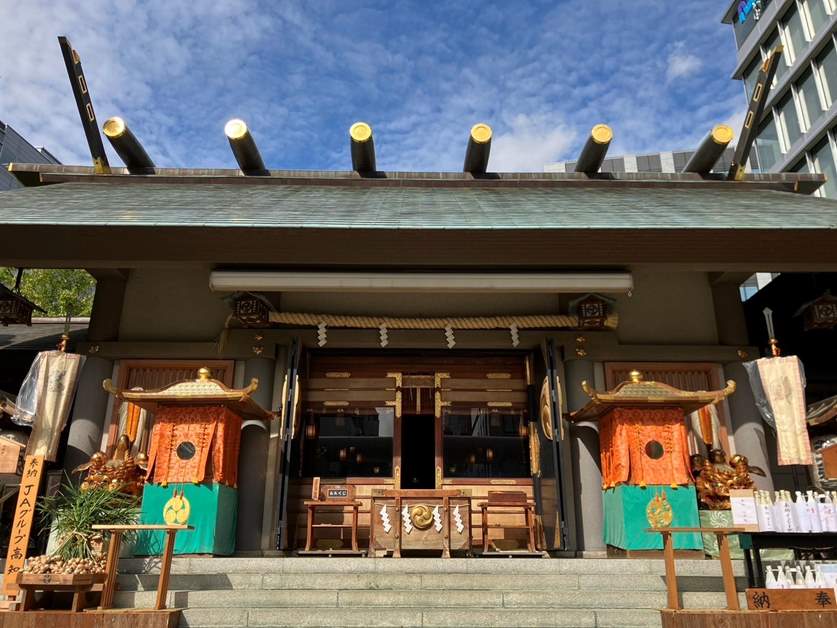
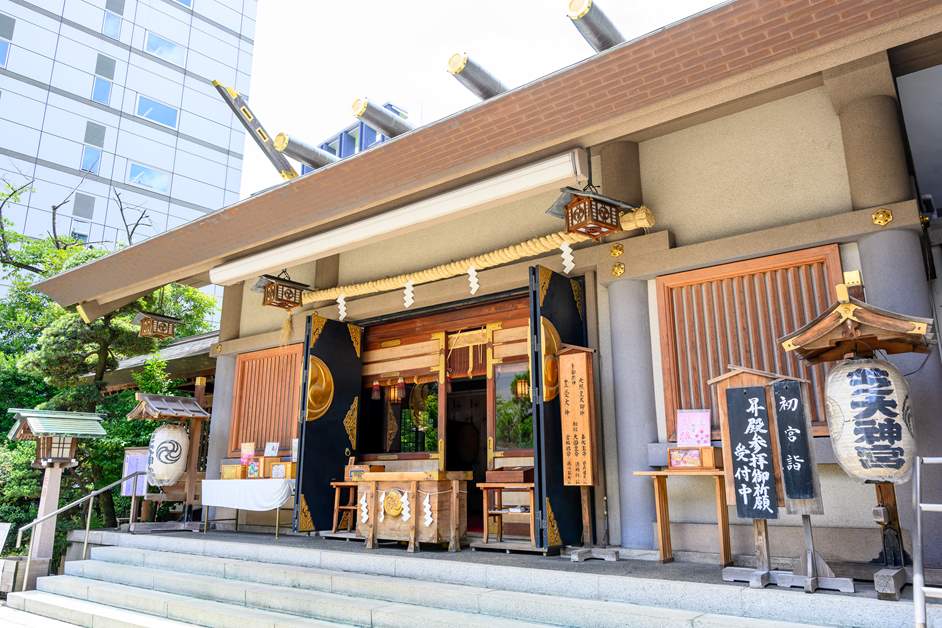
As the summer heat gradually subsides, the season of fall festivals has arrived. The Minato City Tourism Association has selected some recommended fall festivals worth visiting this season. In this first installment, we’d like to introduce the “Dara-Dara Festival,” which takes place over 11 days—from September 11 to 21—at Shiba Daijingu Shrine, located in Shiba-Daimon, Minato Ward, Tokyo. This festival has long been widely recognized as one of the representative fall festivals of Edo-Tokyo and is said to be the longest-running festival in Japan. We spoke with Hiroyuki Katsuta, the chief priest of Shiba Daijingu, about the “Dadarada Festival,” which carries on such a long history and tradition.
The Move from "Iikura" to "Shiba" and the Pilgrimage to Ise
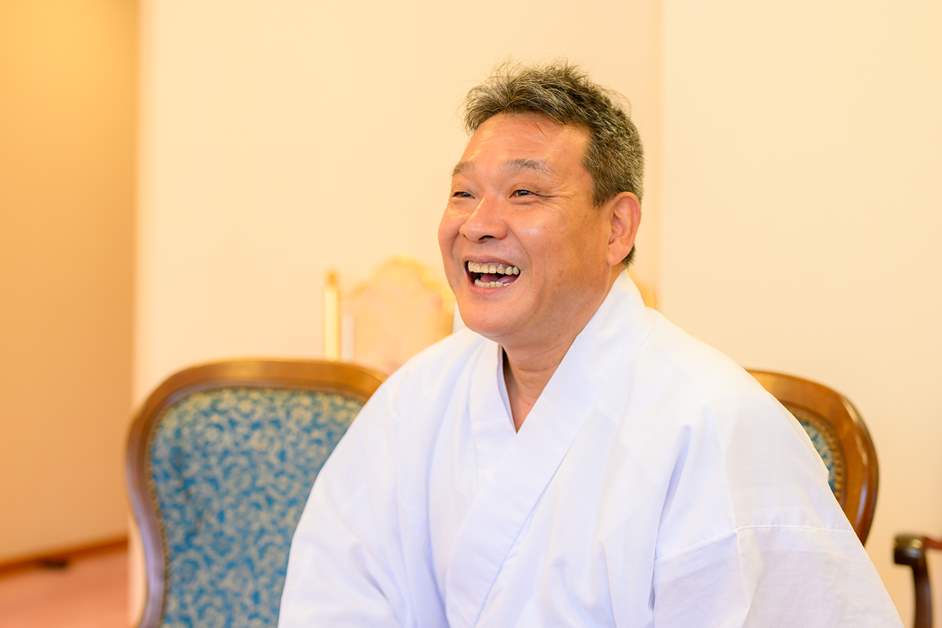
――Shiba Daijingu is one of Tokyo’s most prominent shrines, with a history spanning 1,000 years. Could you start by telling us about the origins of Shiba Daijingu?
“First of all, there’s a place called ‘Iikura’ located a short distance downhill from Tokyo Tower, isn’t there? The reason it’s called Iikura—which literally means ‘rice granary’—is that it was the place where all the rice and vegetables offered to Ise Jingu and O-Ise-sama from the Kanto region and beyond were gathered. This hub was established about a thousand years ago and served as what we would now call a stockpoint. It is said that the original site of our shrine, founded in 1005 AD, was located there, and at that time it was called ‘Iikura Shinmei-gu.’”
“First of all, there’s a place called ‘Iikura’ located a short distance downhill from Tokyo Tower, isn’t there? The reason it’s called Iikura—which literally means ‘rice granary’—is that it was the place where all the rice and vegetables offered to Ise Jingu and O-Ise-sama from the Kanto region and beyond were gathered. This hub was established about a thousand years ago and served as what we would now call a stockpoint. It is said that the original site of our shrine, founded in 1005 AD, was located there, and at that time it was called ‘Iikura Shinmei-gu.’”
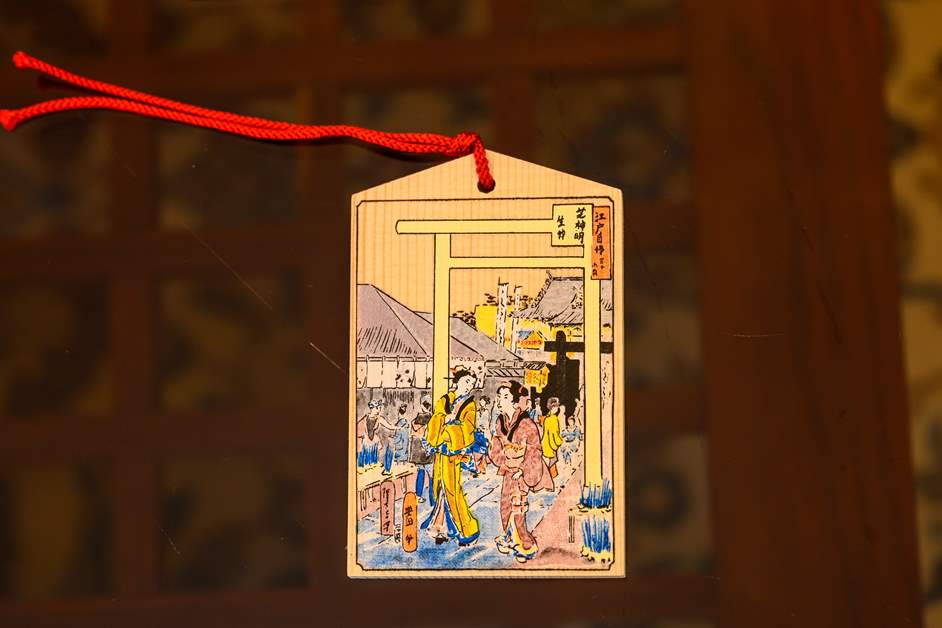
――So, why was it relocated to its current location in Shiba?
“When the Edo period began and the Tokugawa shogunate was established, Zojo-ji Temple was relocated from Kioi-cho in Chiyoda Ward to its current location in Shiba Park. The Tokugawa shogunate was very particular about directions, and since the location of Iikura Shinmei Shrine at that time was considered to be in an inauspicious direction relative to Zojo-ji Temple, the shogunate provided the current site, and the shrine was relocated. The relocation took place in the early Edo period, and from then on, it came to be known as ‘Shiba Shinmei.’ One might say this was the period of its greatest prosperity.”
――I understand that the trend of making pilgrimages to Ise Grand Shrine—known as “Ise-mari”—which was popular during the Edo period, was the catalyst for this.
“Yes. At that time, people living in Chūkyō or the Kinai region could travel to Ise-sama immediately, but for those living in the Kantō region and further north, it required an enormous amount of money and time. Even from Edo, a round trip took about a month and a half, and it is said that if two or three people traveled together, it cost the equivalent of about 2 million yen in today’s currency. Consequently, it wasn’t a place anyone could easily visit. Since Shiba Shinmei in Edo was known to enshrine the spirit of Ise-sama, more and more people began making pilgrimages there as an alternative to the Ise pilgrimage, which led to its prosperity at that time. Incidentally, it wasn’t until the Meiji era that it adopted its current name, ‘Shiba Daijingu.’”
“When the Edo period began and the Tokugawa shogunate was established, Zojo-ji Temple was relocated from Kioi-cho in Chiyoda Ward to its current location in Shiba Park. The Tokugawa shogunate was very particular about directions, and since the location of Iikura Shinmei Shrine at that time was considered to be in an inauspicious direction relative to Zojo-ji Temple, the shogunate provided the current site, and the shrine was relocated. The relocation took place in the early Edo period, and from then on, it came to be known as ‘Shiba Shinmei.’ One might say this was the period of its greatest prosperity.”
――I understand that the trend of making pilgrimages to Ise Grand Shrine—known as “Ise-mari”—which was popular during the Edo period, was the catalyst for this.
“Yes. At that time, people living in Chūkyō or the Kinai region could travel to Ise-sama immediately, but for those living in the Kantō region and further north, it required an enormous amount of money and time. Even from Edo, a round trip took about a month and a half, and it is said that if two or three people traveled together, it cost the equivalent of about 2 million yen in today’s currency. Consequently, it wasn’t a place anyone could easily visit. Since Shiba Shinmei in Edo was known to enshrine the spirit of Ise-sama, more and more people began making pilgrimages there as an alternative to the Ise pilgrimage, which led to its prosperity at that time. Incidentally, it wasn’t until the Meiji era that it adopted its current name, ‘Shiba Daijingu.’”
The Origins of the Festival and the Lucky Charms: “Ginger” and “Chigibako”
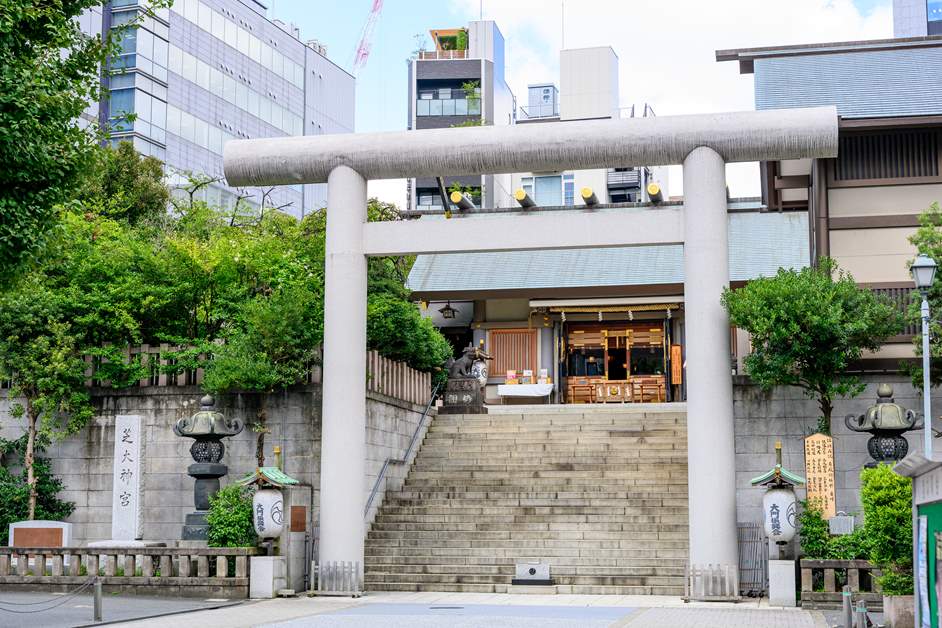
――I hear that the reason the “Dara-dara Festival” came to be held over such a long period of 11 days was due to the increase in worshippers during the Edo period.
“Originally, the annual festival at Shiba Daijingu was held on September 16, but because so many worshippers flocked to the shrine, the chief priest at the time—my ancestor—extended it by five days before and after that date, making it an 11-day festival. In addition to the festival’s long duration, September—known as “Nagatsuki” (the Long Month)—is a season with heavy rain and high humidity, making it a rather sluggish time of year, which is why the colloquial name ‘Dadarada Festival’ took hold. However, the people of Edo were quite sophisticated, so they substituted the character for ‘good’ (良) for the character for ‘thick’ (太) in the name, writing it as ‘Tara-Tara Festival.’ “Because it carries the auspicious meaning that ‘good things will continue thick and long,’ many people choose to hold their weddings during this time.”
“Originally, the annual festival at Shiba Daijingu was held on September 16, but because so many worshippers flocked to the shrine, the chief priest at the time—my ancestor—extended it by five days before and after that date, making it an 11-day festival. In addition to the festival’s long duration, September—known as “Nagatsuki” (the Long Month)—is a season with heavy rain and high humidity, making it a rather sluggish time of year, which is why the colloquial name ‘Dadarada Festival’ took hold. However, the people of Edo were quite sophisticated, so they substituted the character for ‘good’ (良) for the character for ‘thick’ (太) in the name, writing it as ‘Tara-Tara Festival.’ “Because it carries the auspicious meaning that ‘good things will continue thick and long,’ many people choose to hold their weddings during this time.”
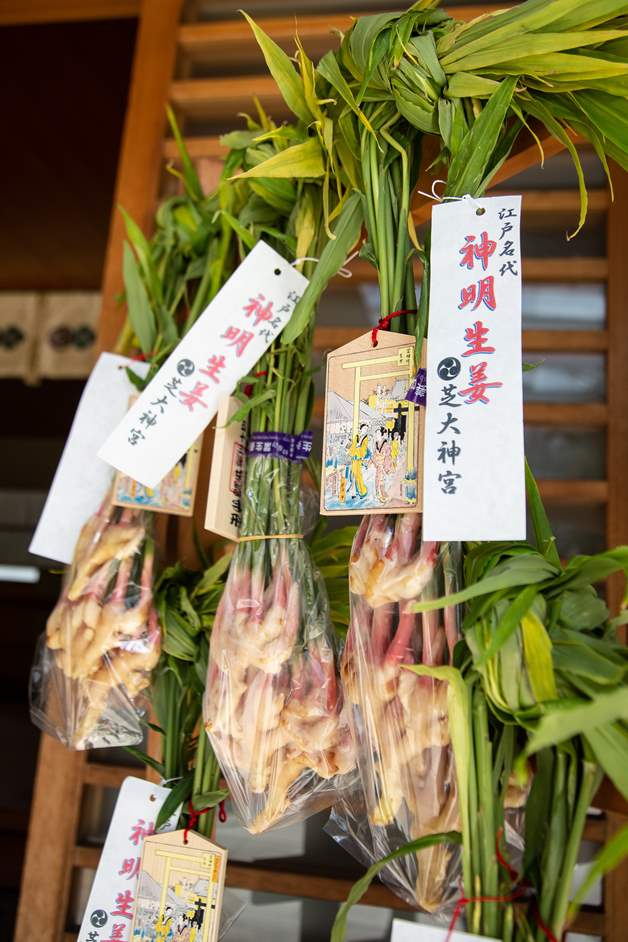
――Speaking of lucky charms, “Gozen Ginger” is also famous. The “Dara-dara Festival” is also known as the “Ginger Festival” because ginger was offered as an offering and sold extensively on the shrine grounds and along the approach. Could you tell us about the connection between Shiba Daijingu and ginger?
“Over a thousand years ago, Yanaka ginger grew abundantly in the area where the Tokyo Tower stands today. When this ginger was placed among the goods sent to the Grand Shrine of Ise, the rice and vegetables spoiled much less. From that point on, ginger came to be distributed as a good-luck charm symbolizing the warding off of disease and misfortune, the purification of various calamities, and a connection to the Shinto deities—all in the hope of longevity. Incidentally, it is said that Tokyo Tower was built in that location because its founder, Hisakichi Maeda, wanted to transmit pure radio waves from a pure piece of land—the kind where ginger grows.”
“Over a thousand years ago, Yanaka ginger grew abundantly in the area where the Tokyo Tower stands today. When this ginger was placed among the goods sent to the Grand Shrine of Ise, the rice and vegetables spoiled much less. From that point on, ginger came to be distributed as a good-luck charm symbolizing the warding off of disease and misfortune, the purification of various calamities, and a connection to the Shinto deities—all in the hope of longevity. Incidentally, it is said that Tokyo Tower was built in that location because its founder, Hisakichi Maeda, wanted to transmit pure radio waves from a pure piece of land—the kind where ginger grows.”
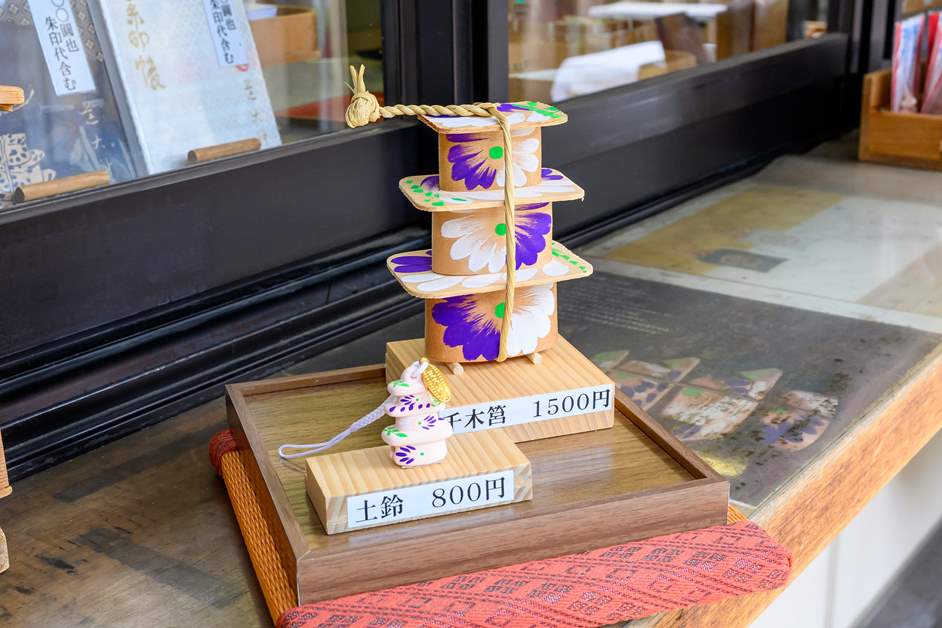
――Please tell us about another good-luck charm, the “chigibako.”
“The chigibako is a small, three-tiered box that is extremely popular, primarily as a good-luck charm for women. It takes its name from the “chigi” and “katsugi” beams found on the roof of the shrine’s main hall; the character for ‘ki’ (木) also means ‘ki’ (着) as in ‘kimono.’ In other words, it symbolizes ‘a thousand kimonos,’ and it has come to be known as a good-luck charm that represents the wish for an abundance of beautiful kimonos, a marriage into a wealthy family, and a happy union. Additionally, the box contains soybeans, and when shaken, it makes a sound. Just as soybeans are used during Setsubun to ward off evil spirits, they also symbolize the wish to keep unsavory men at bay.”
“The chigibako is a small, three-tiered box that is extremely popular, primarily as a good-luck charm for women. It takes its name from the “chigi” and “katsugi” beams found on the roof of the shrine’s main hall; the character for ‘ki’ (木) also means ‘ki’ (着) as in ‘kimono.’ In other words, it symbolizes ‘a thousand kimonos,’ and it has come to be known as a good-luck charm that represents the wish for an abundance of beautiful kimonos, a marriage into a wealthy family, and a happy union. Additionally, the box contains soybeans, and when shaken, it makes a sound. Just as soybeans are used during Setsubun to ward off evil spirits, they also symbolize the wish to keep unsavory men at bay.”
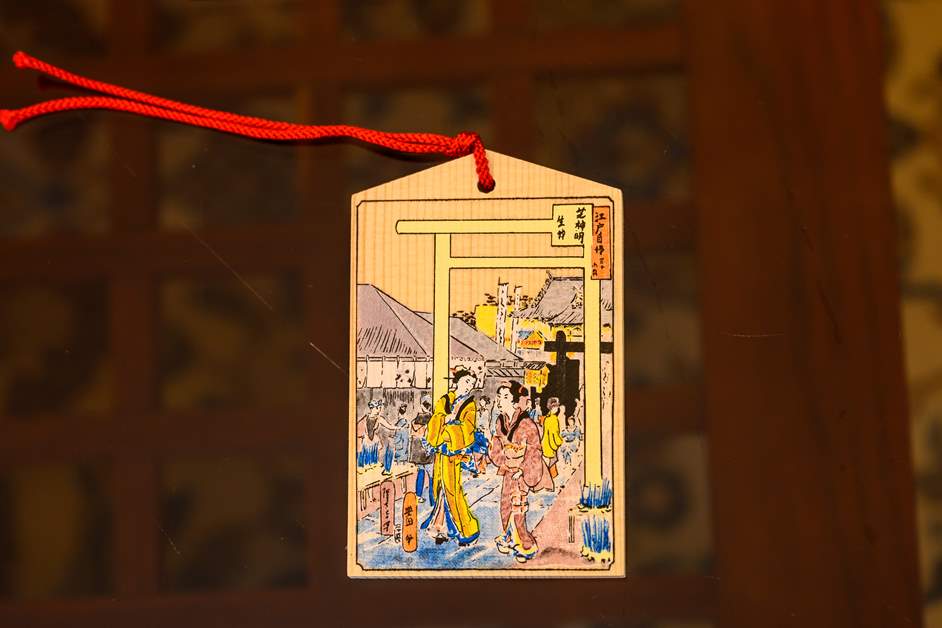
――That’s a very clever play on words. I’ve also heard that Kabuki actors used to carry “chigibako.”
“For an actor, accumulating costumes means they’re in demand. The late Nakamura Kansaburō, for example, owned many of them in the hope that his school’s artistry would be refined and their collection of costumes would grow. During the ‘Dadarada Festival,’ everyone comes to purchase ‘Gozen Ginger’ and ‘Chigibako.’”
“For an actor, accumulating costumes means they’re in demand. The late Nakamura Kansaburō, for example, owned many of them in the hope that his school’s artistry would be refined and their collection of costumes would grow. During the ‘Dadarada Festival,’ everyone comes to purchase ‘Gozen Ginger’ and ‘Chigibako.’”
The Evolving Nature of Festivals Over Time
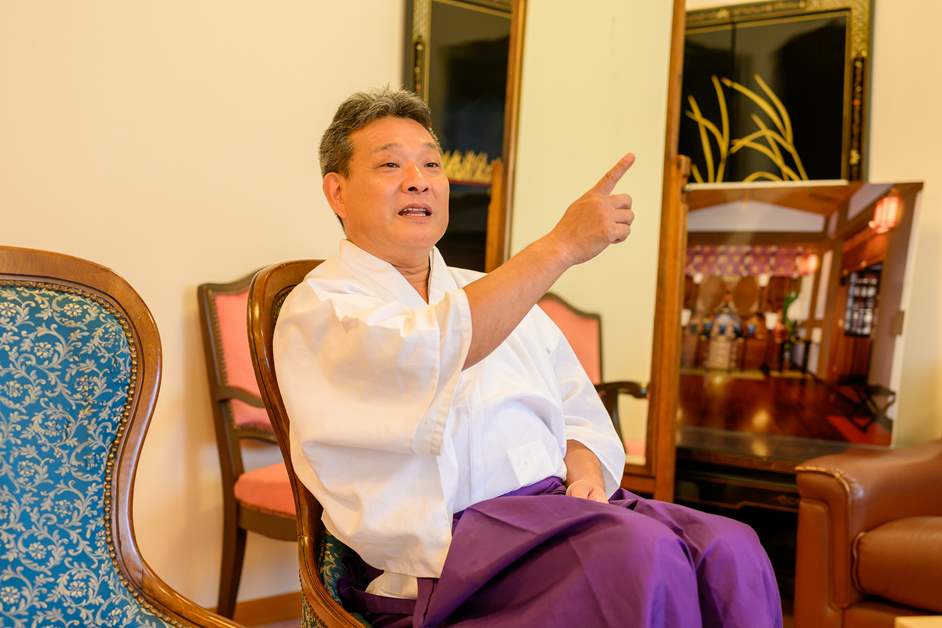
――It’s clear that this is a festival that has been cherished for a long time. Could that be because it’s held in Shiba?
“Tradition and culture are at the heart of Shiba. According to a legend passed down at our shrine, the place name ‘Shiba’ is derived from the characters for ‘wave’ (nami) and ‘aspiration’ (shin), written as ‘Shiba’ (波). During the Edo period, artisans with a shared sense of purpose gathered here from all over Japan. That, in itself, is tradition and culture. And now, Shiba has become a place where a sense of purpose surges in like waves—not just from Japan, but from all over the world. With the new World Trade Center Building scheduled to open next year, I believe Shiba is entering a period of further development while continuing to cherish its tradition and culture.”
“Tradition and culture are at the heart of Shiba. According to a legend passed down at our shrine, the place name ‘Shiba’ is derived from the characters for ‘wave’ (nami) and ‘aspiration’ (shin), written as ‘Shiba’ (波). During the Edo period, artisans with a shared sense of purpose gathered here from all over Japan. That, in itself, is tradition and culture. And now, Shiba has become a place where a sense of purpose surges in like waves—not just from Japan, but from all over the world. With the new World Trade Center Building scheduled to open next year, I believe Shiba is entering a period of further development while continuing to cherish its tradition and culture.”
――In light of this, could you share with us the sentiments that are most important to you, Mr. Katsuta, as you continue to preserve the “Dara-dara Festival”?
“I believe the key concepts are ‘immutability’ and ‘universality.’ ‘Immutability’ refers to things that must never change, such as beliefs and principles, while ‘universality’ refers to elements that we broadly incorporate in response to the changing times. For example, while the festival’s 11-day duration remains constant, we’ve adapted to the times: we continue to perform the daily rituals inside the shrine without change, but now limit the parades of the neighborhood’s mikoshi to weekends and holidays. Also, in the past, only residents of the neighborhood could carry the mikoshi, but now employees from local companies lend their support as part of corporate sponsorship groups. “Since we spend more than half the week working here in Shiba, it’s almost as if we live here. By adapting in this way, we’re able to continue preserving our traditions, starting with the portable shrines.”
—So you’re embracing the changing times in order to preserve what remains unchanged.
“That’s right. And speaking of the mikoshi, our amazake is also famous. Since the Edo period, people have wanted to avoid rain during the festival because the mikoshi couldn’t be paraded if it rained. There’s even a clever play on words: ‘ama-sake’ (rain-avoider) evolved into ‘amazake’ (sweet sake).”
“I believe the key concepts are ‘immutability’ and ‘universality.’ ‘Immutability’ refers to things that must never change, such as beliefs and principles, while ‘universality’ refers to elements that we broadly incorporate in response to the changing times. For example, while the festival’s 11-day duration remains constant, we’ve adapted to the times: we continue to perform the daily rituals inside the shrine without change, but now limit the parades of the neighborhood’s mikoshi to weekends and holidays. Also, in the past, only residents of the neighborhood could carry the mikoshi, but now employees from local companies lend their support as part of corporate sponsorship groups. “Since we spend more than half the week working here in Shiba, it’s almost as if we live here. By adapting in this way, we’re able to continue preserving our traditions, starting with the portable shrines.”
—So you’re embracing the changing times in order to preserve what remains unchanged.
“That’s right. And speaking of the mikoshi, our amazake is also famous. Since the Edo period, people have wanted to avoid rain during the festival because the mikoshi couldn’t be paraded if it rained. There’s even a clever play on words: ‘ama-sake’ (rain-avoider) evolved into ‘amazake’ (sweet sake).”
――The sophisticated sensibility of Edo locals is evident everywhere here. Finally, could you share a message for those planning to visit the “Dadarada Festival”?
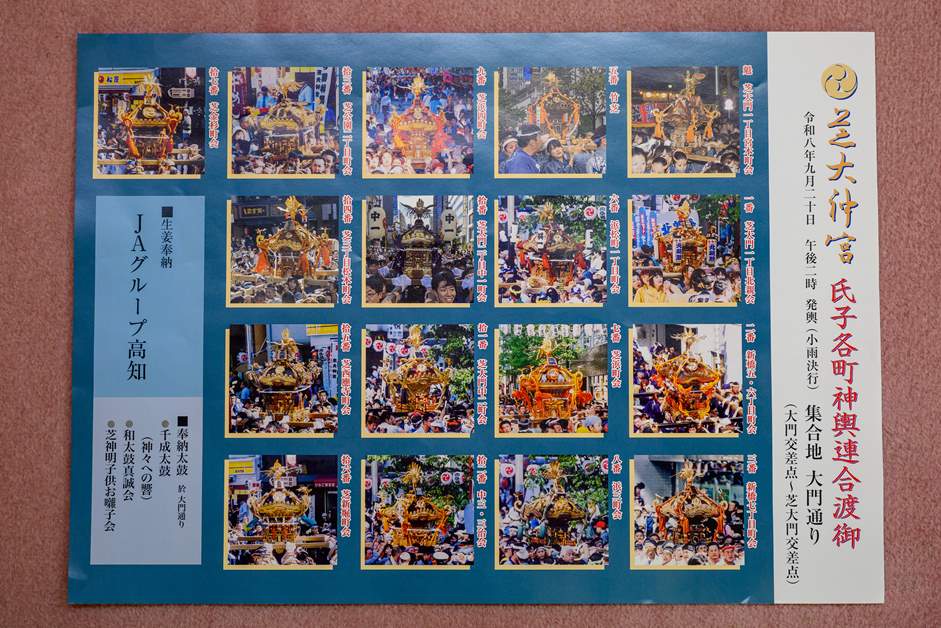
“I hope that each visitor will use their own sensibilities to sense the ‘wave of aspiration’ gathering in this place. Starting at 2:00 p.m. on September 20, the joint procession of mikoshi from the various neighborhood shrines will begin on Daimon Street, so I really hope you’ll come and experience that vibrant energy firsthand.”
“I hope that each visitor will use their own sensibilities to sense the ‘wave of aspiration’ gathering in this place. Starting at 2:00 p.m. on September 20, the joint procession of mikoshi from the various neighborhood shrines will begin on Daimon Street, so I really hope you’ll come and experience that vibrant energy firsthand.”
[Shiba Daijingu “Dara-dara” Festival]
Dates: September 11 (Fri) – 21 (Mon), Reiwa 8
September 16 (Wed): Annual Festival, 11:00 a.m.
September 20 (Sun): Respect for the Aged Festival at 10:00 a.m.
September 20 (Sun): Joint Mikoshi Procession of Local Parishes at 2:00 p.m.
https://www.shibadaijingu.com/matsuri/
Dates: September 11 (Fri) – 21 (Mon), Reiwa 8
September 16 (Wed): Annual Festival, 11:00 a.m.
September 20 (Sun): Respect for the Aged Festival at 10:00 a.m.
September 20 (Sun): Joint Mikoshi Procession of Local Parishes at 2:00 p.m.
https://www.shibadaijingu.com/matsuri/