



Stories that connect people and things. Tracing the origins of “delivery” at the “Logistics Museum”
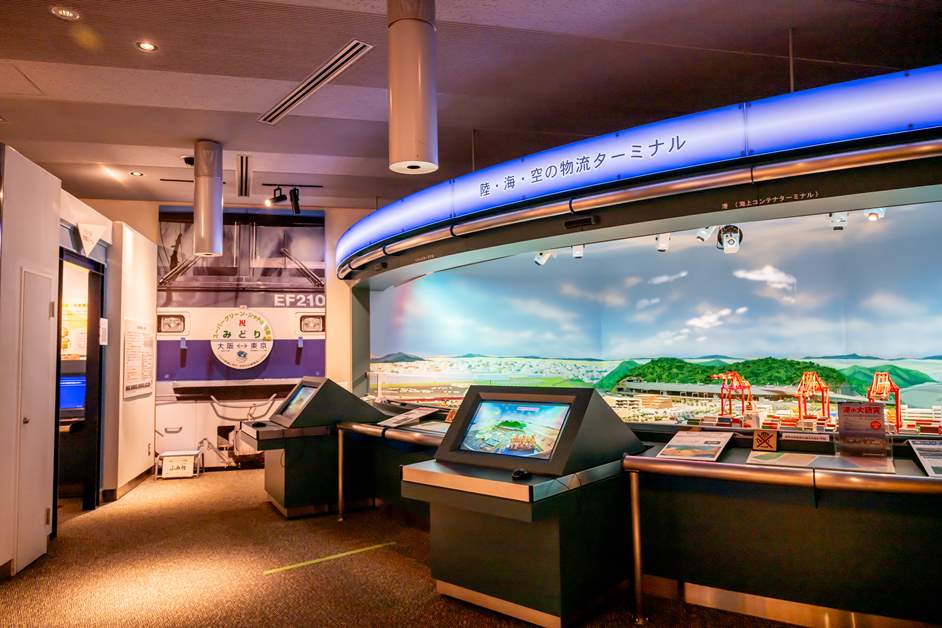
From daily necessities to fresh foods, and from materials to machinery, all kinds of cargo are transported almost daily by land, sea, and air. The “Logistics Museum” focuses on the past, present, and future of “logistics”—an essential part of people’s daily lives. The museum traces its origins to the Nippon Express Historical Archives, established in 1958 within the Nippon Express headquarters, and opened on August 11, 1998, in Takanawa 4-chome as Japan’s first museum dedicated exclusively to logistics. In this article, we visit the Logistics Museum to introduce its exhibits, including valuable historical materials and dioramas.
The History of Logistics, Which Underwent Significant Development During the Edo Period
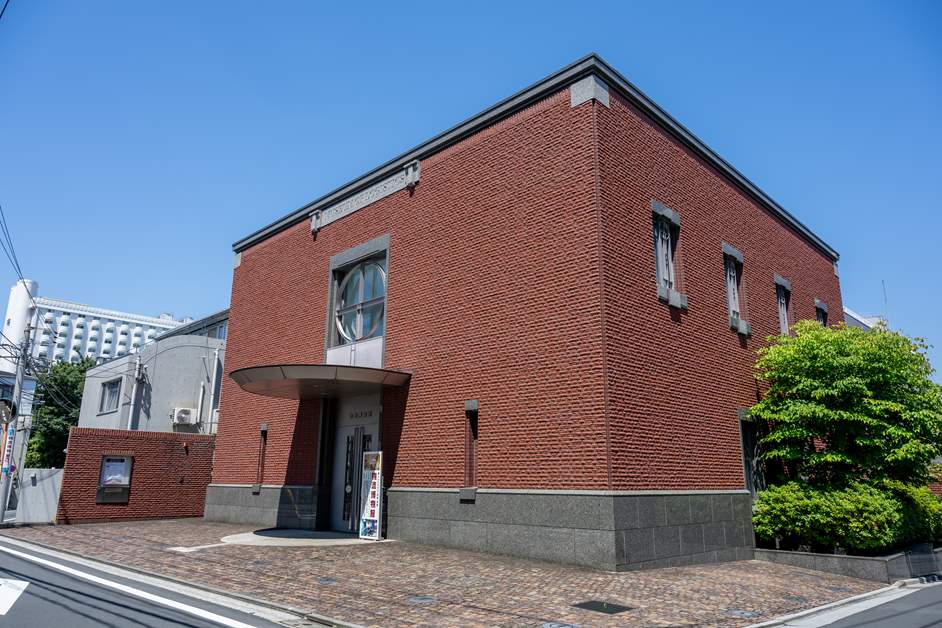
The Logistics Museum, operated by the Public Interest Incorporated Foundation for the Promotion of Freight Transportation, is about a 7-minute walk from both JR and Keikyu Shinagawa Station and Toei Subway Takanawadai Station. Its red-brick-style exterior is a real eye-catcher.
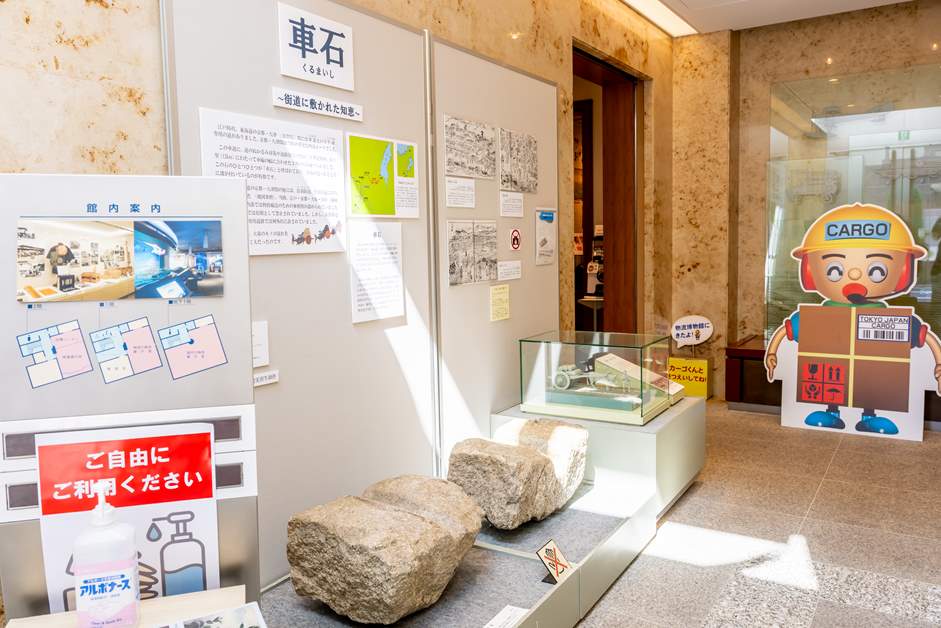
As soon as I stepped inside the building, the mascot character, Cargo-kun, was there to greet me. The large “carriage stones” on display in front of the reception desk on the first floor were originally laid on a road reserved exclusively for ox-drawn carts during the Edo period. They feature grooves the same width as the cart wheels, resembling recessed rails. To prevent the road from becoming muddy and to maintain the roadway, these “carriage stones” were reportedly laid along a stretch of approximately 12 km on the Tōkaidō between Kyoto and Ōtsu.
The museum consists of two basement levels and two above-ground floors. The first floor and the first basement level house exhibition halls; the second floor features a library corner and a video exhibition room; and the second basement level serves as a storage facility.
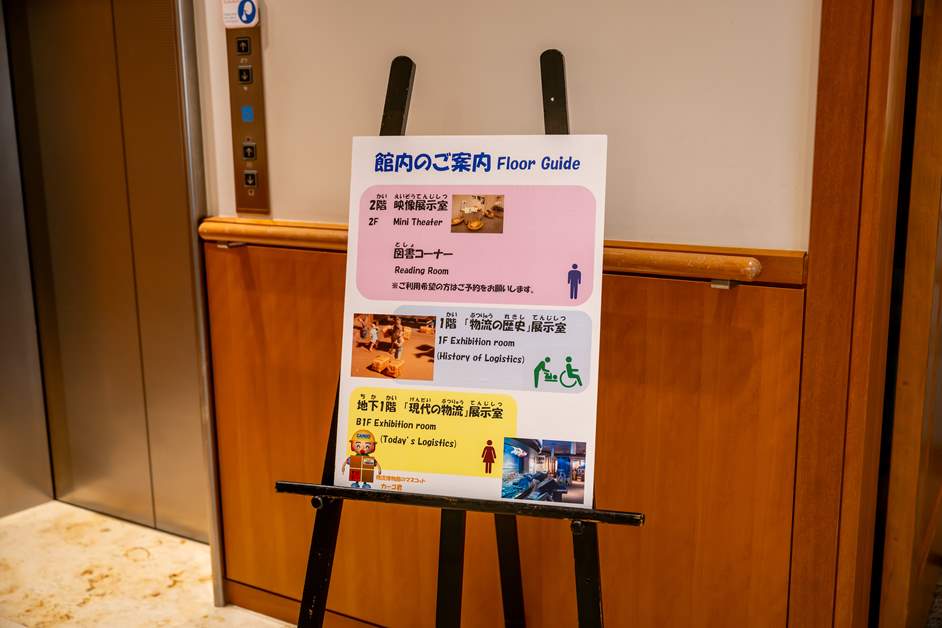
In the "History of Logistics" exhibition room on the first floor, you can learn about the development of logistics, primarily from the Edo period through the 1970s.
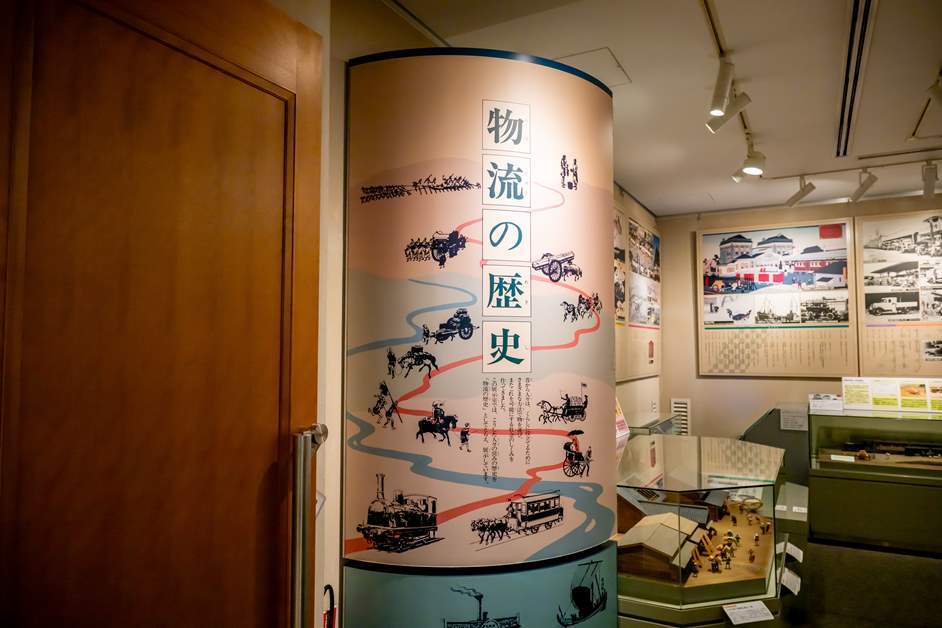
At its core, “logistics” refers to the rational management and execution of the flow of goods from the point of production to the consumer. Even as the types of goods transported and the means of transportation have changed over time, logistics remains a vital lifeline connecting people and goods.
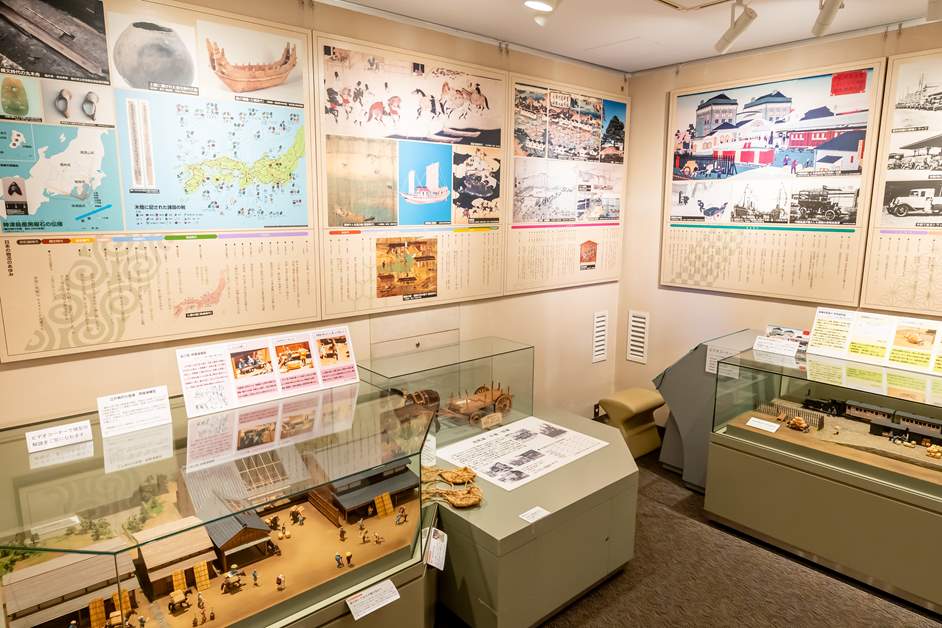
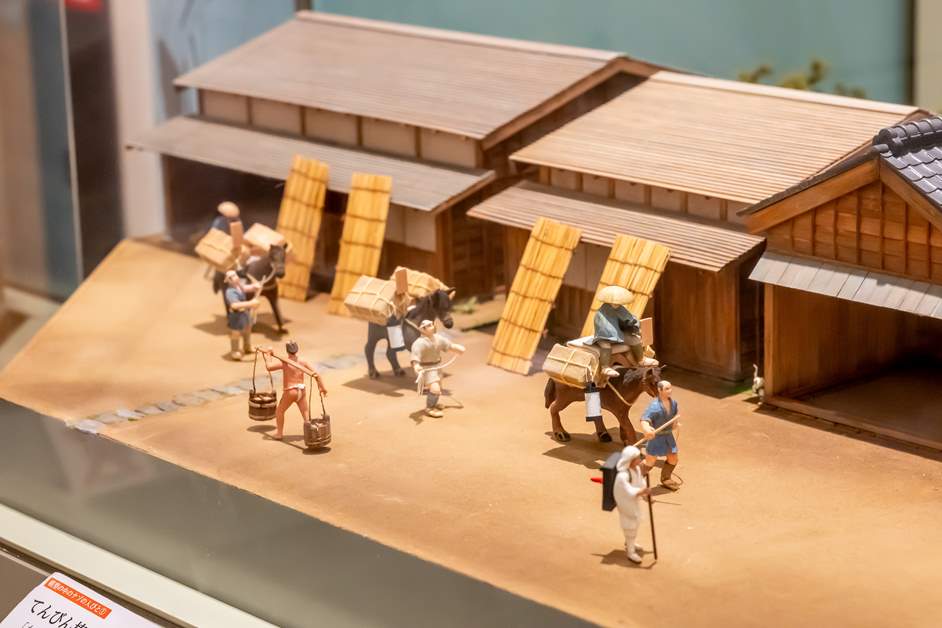
During the Edo period, goods were transported along the highways almost exclusively by people, oxen, and horses. For example, people known as “tsugi-bikyaku” carried official cargo—such as letters from the shogunate—in a relay-style system from one “toya-ba” (a facility at post stations where people and animals were changed) to the next. Ippei Komidori, a curator at the Logistics Museum, explains, “Tsugi-bikaku traveled between Edo and Osaka in as little as three days by repeatedly switching relays. On the other hand, there were also people called ‘machi-bikaku’ who, as a business, transported both official and commercial cargo primarily on horseback. In the case of machi-bikyakku transport, the horses and the people leading them would be replaced at the next wholesale depot, but the transport supervisor—known as the ‘sairyō’—who rode the horse would accompany the cargo all the way to its final destination,” he explains.
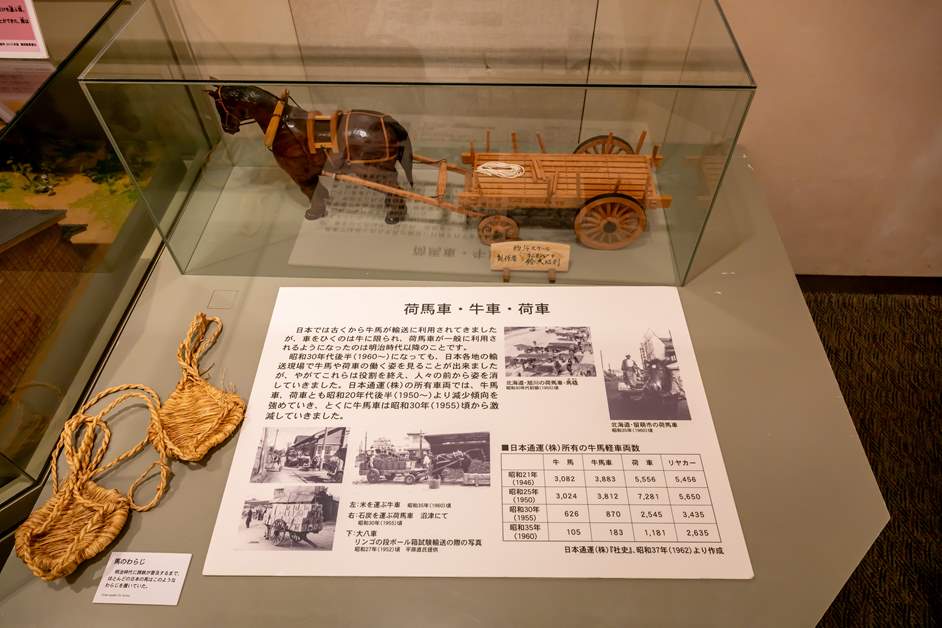
Surprisingly, horse-drawn carts did not become commonly used until after the Meiji period. During the Edo period, the shogunate had, in principle, prohibited the use of wheels on public roads. In the Edo period, carts were pulled by oxen or people, and their use was limited to specific areas. “In an effort to adopt Kyoto’s ox-cart transportation system in Edo, the Tokugawa shogunate summoned the people who handled the oxen in Kyoto (known as ‘ushimochi’) and settled them in Takanawa Ushimachi—the area around what is now Takanawa Gateway Station,” said Ms. Komidori.
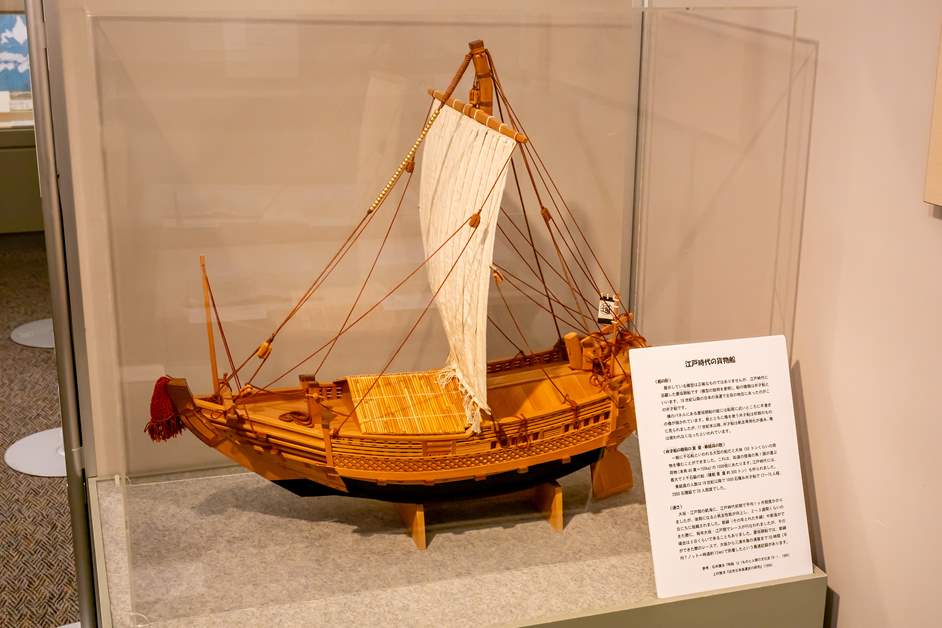
During the Edo period, ships also played a major role in transporting cargo. A type of cargo ship known as the “Bezaisen” was the workhorse of maritime transport at the time. “While horses could carry loads of up to 150 kg, the largest Benzaisen ships could carry as much as 300 metric tons—2,000 times that amount. However, it wasn’t all good news; since there were no weather forecasts, there was also a risk of shipwreck. According to one estimate, about 5 percent of these ships met with some form of disaster,” said Ms. Komidori.
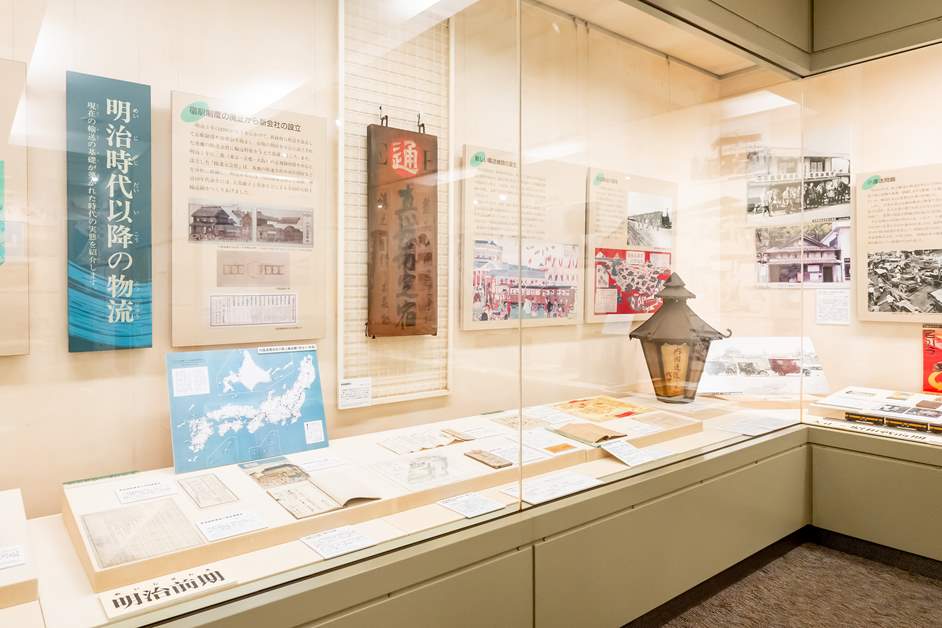
With the onset of the Meiji era, logistics evolved rapidly, and in 1871 (Meiji 4), the government launched a postal system connecting Tokyo, Kyoto, and Osaka. However, the messenger runners who had been active during the Edo period strongly opposed this. “Subsequently, the hikyaku accepted a proposal from Mitsuru Maejima, the founder of the postal system, and it was ultimately decided that the government would handle letters, while the hikyaku would form a company to handle the transport of packages. In 1872 (Meiji 5), a group of hikyaku gathered to form the Rikuun Gen Company, which became the predecessor of Nippon Express. This could be considered one of the major turning points in the history of logistics in Japan,” said Mr. Komidori.
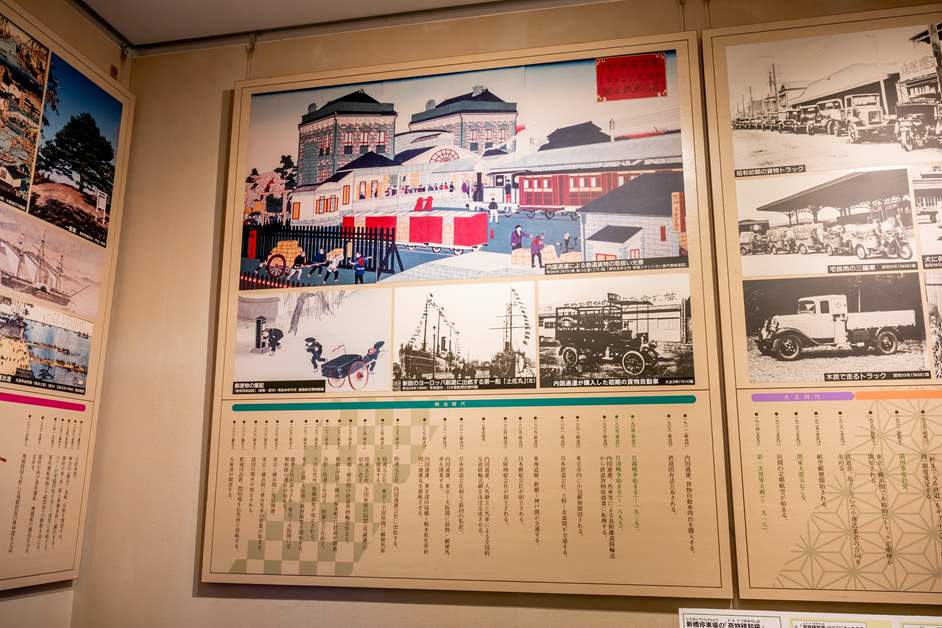
During the Meiji era, transportation infrastructure—including railroads and automobiles—also advanced. In 1872 (Meiji 5), the railroad line between Shimbashi and Yokohama opened, and freight rail transport began the following year. “There are still ukiyo-e prints depicting the handling of cargo at the Shimbashi Station. Although goods could now be transported by rail from station to station, loading and unloading still had to be done by hand,” said Ms. Komidori.
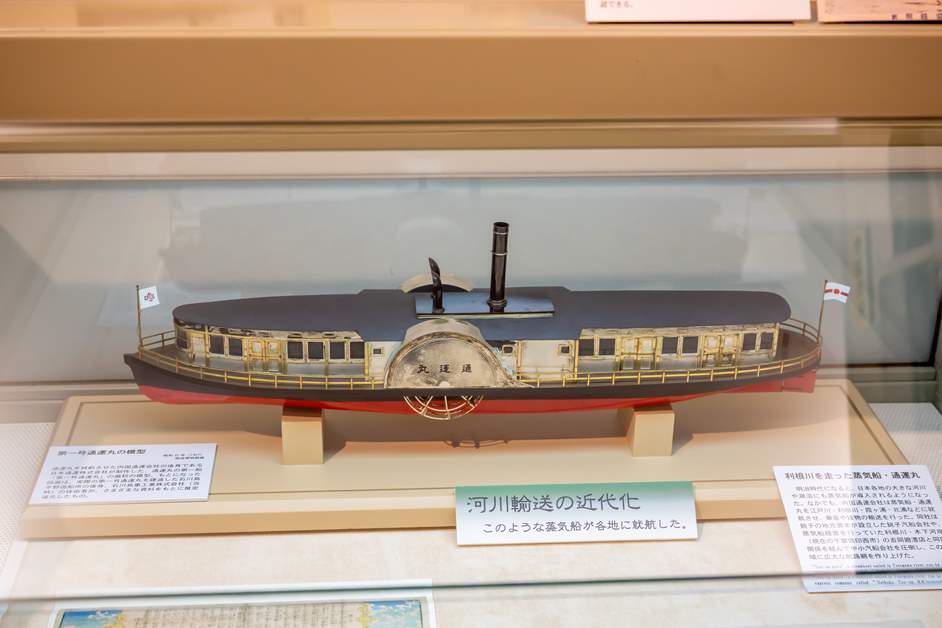
The wave of modernization also swept through water transportation. During the Meiji era, steamboats were introduced on major rivers and lakes throughout Japan. The “Tsūun Maru,” operated by the Domestic Transport Company, began service on the Edo and Tone Rivers, as well as on Lake Kasumigaura and Lake Kitaura, transporting cargo and passengers.
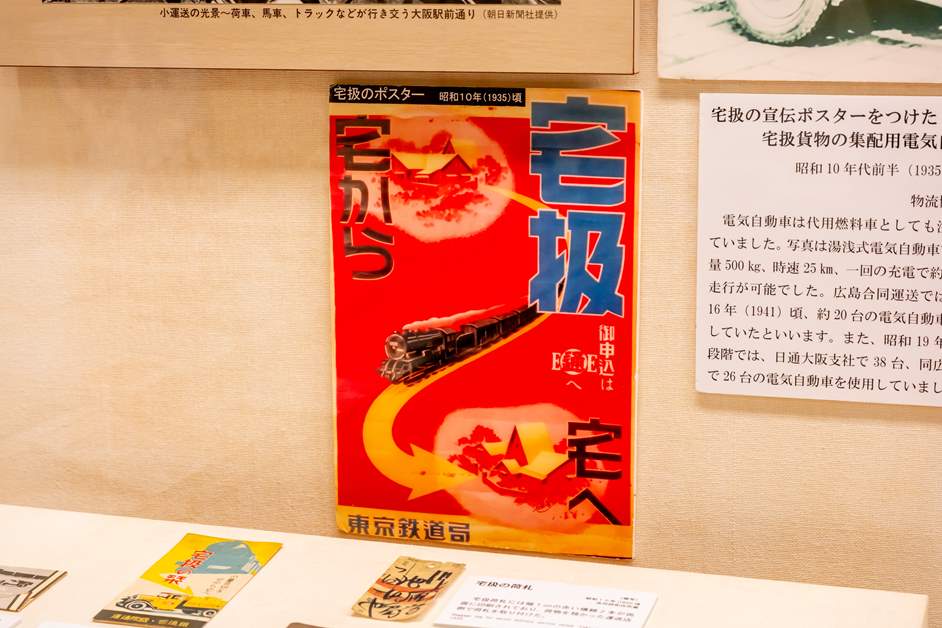
In the Showa era, Kokusai Tsūun Co., Ltd.—formed through the merger of three companies, including Naikoku Tsūun—launched a service called “Takegiri,” which transported small-lot cargo from door to door in collaboration with the Ministry of Railways. “Although Takegiri can be considered the precursor to today’s parcel delivery services, the service eventually became unsustainable due to the effects of the war,” said Ms. Komidori.
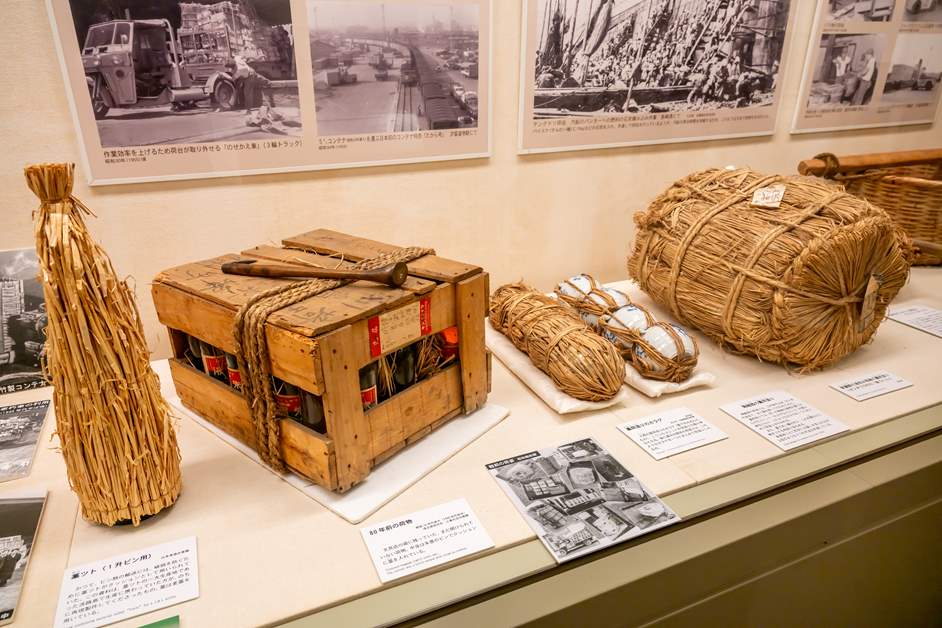
You can really sense the passage of time in the materials used to pack goods. Until the Showa 30s, wooden boxes and straw were the main materials used for packaging.
The “History of Logistics” exhibition hall offers visitors the opportunity to learn about the history of logistics, primarily from the Edo period through the Showa era. For history enthusiasts in particular, it may provide an opportunity to view Japan’s premodern and modern history from a new perspective.
A Day in the Life of Land, Sea, and Air Logistics Recreated in a Giant Diorama
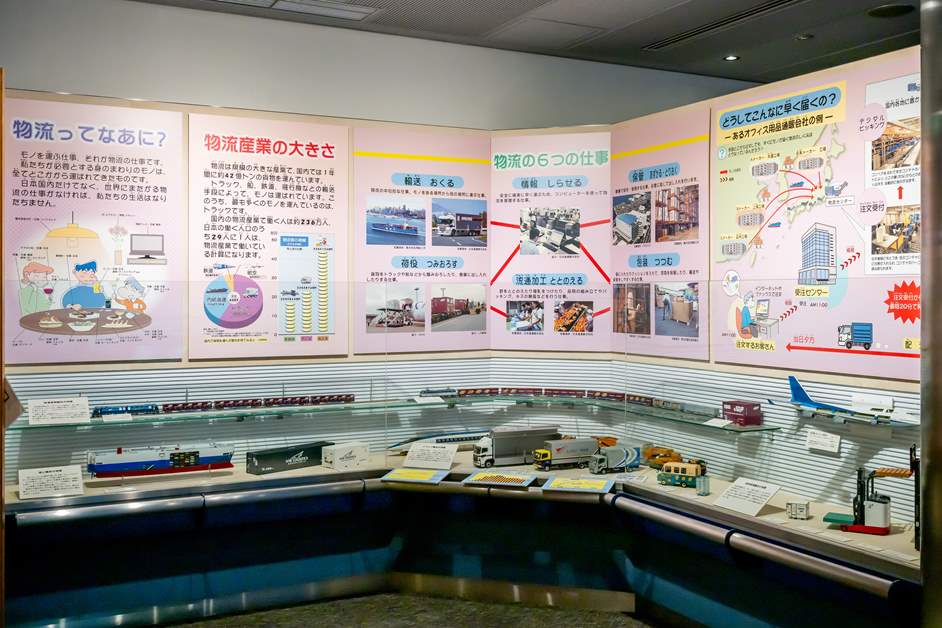
In the “Modern Logistics” exhibition room on the B1 level, you can get a firsthand look at the current state of the ever-evolving logistics industry. Approximately 2.36 million people work in Japan’s logistics industry, and about 4.2 billion metric tons of cargo are transported annually (fiscal year 2022).
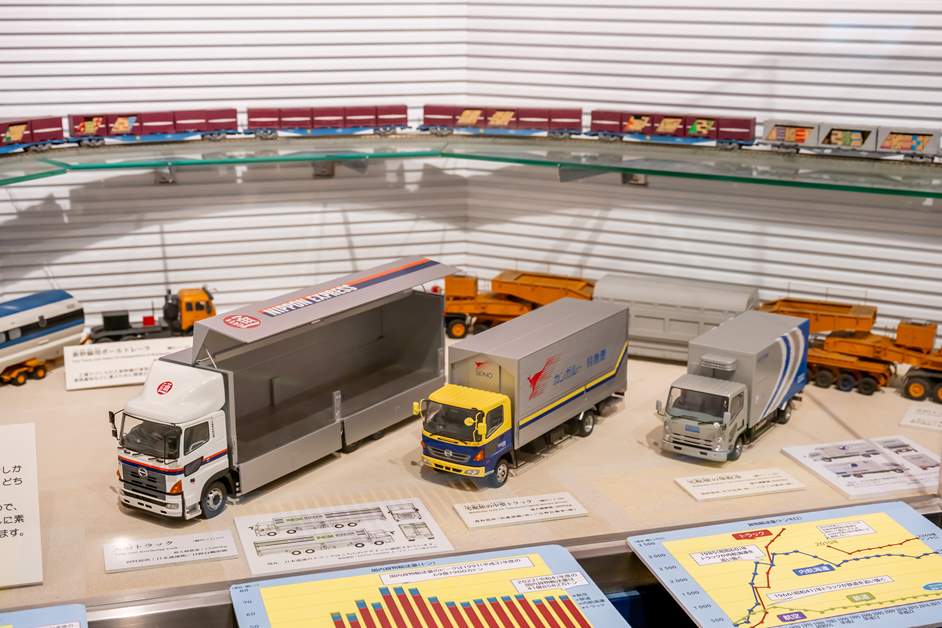
These model trucks are considered one of the cornerstones of logistics. They are built to a 1/25 scale, and three types were displayed side by side: a parcel delivery van, a medium-sized delivery truck, and a large delivery truck. Apparently, they were created by a professional modeler and feature meticulous attention to detail.
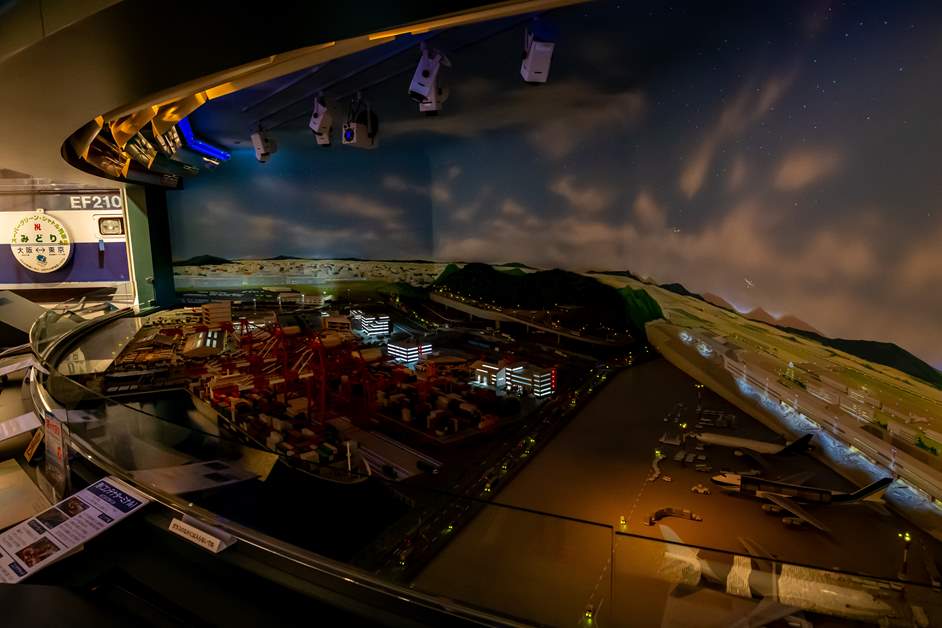
One of the highlights of the Logistics Museum is a massive diorama offering a panoramic view of land, sea, and air logistics terminals. “It was created when the museum first opened in 1998, and when people approach, sensors trigger the trains, trucks, gantry cranes, and other elements to start moving. You can follow their operations on the accompanying video screens,” says Ms. Komidori.
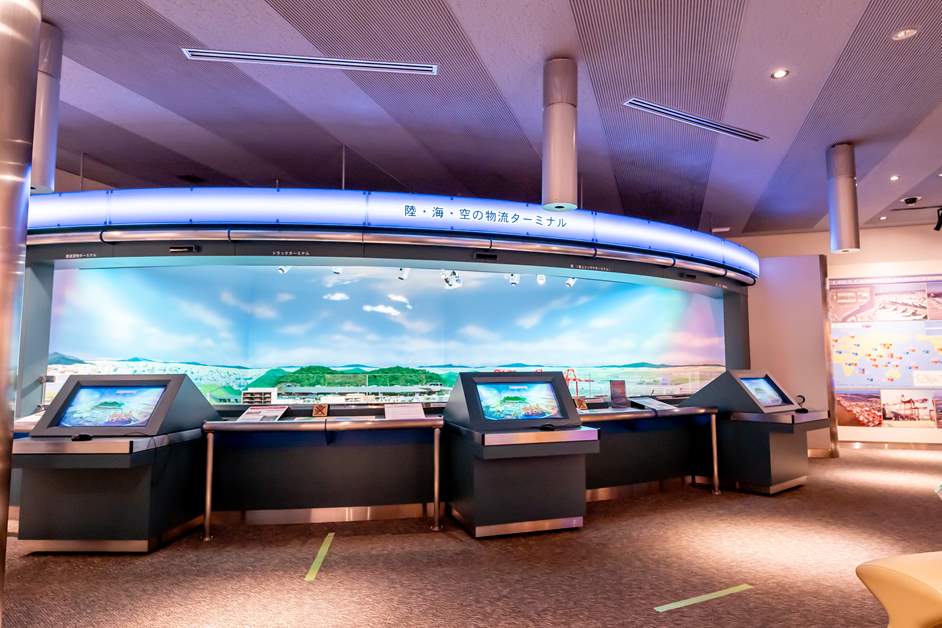
The diorama recreates a full day in about 4 minutes and 30 seconds. Even after night falls, trains and trucks continue to move. It really drives home the point that logistics operate 24 hours a day, nonstop.
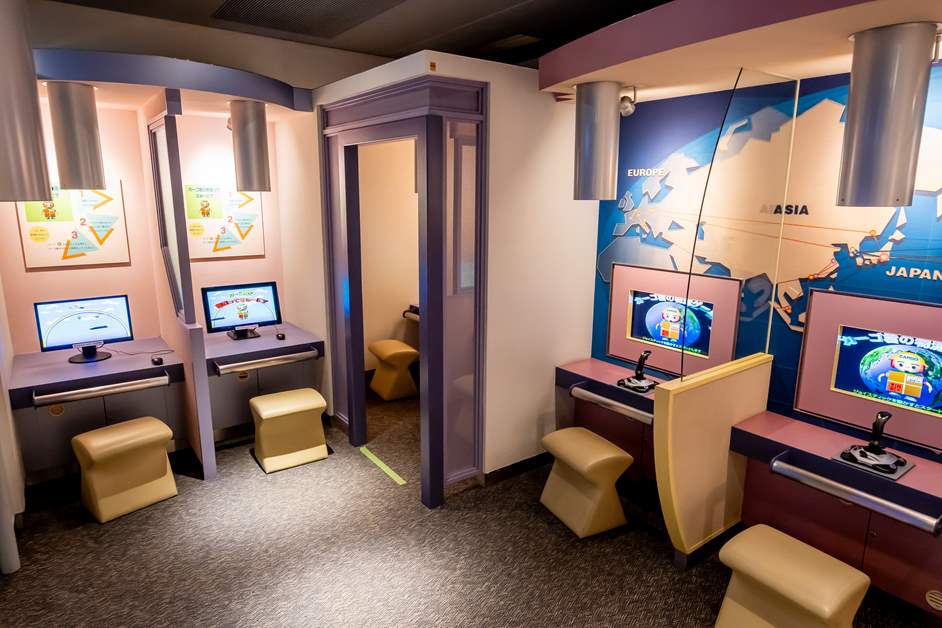
There’s also a section where you can learn about logistics while having fun with quizzes and games. In the game, you use a joystick to transport cargo to its destination. Following Cargo-kun’s instructions, you’ll consider the characteristics of the cargo you’re transporting and decide on the ideal mode of transportation and route.
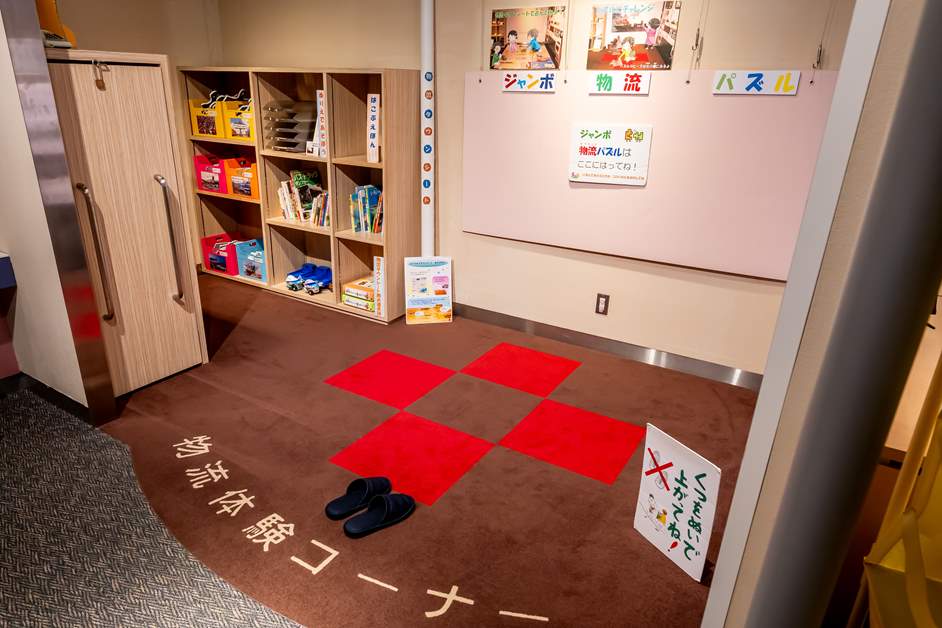
There were also hands-on activity areas—such as the “Jumbo Logistics Puzzle” and “Logistics Town” worksheets—designed to help children easily understand how logistics works. There was also an extensive selection of picture books about logistics.
Online shopping has become an indispensable part of modern life. There are also robots playing an active role in the logistics centers that support this online shopping. Robots called “Drives” lift and transport shelves containing products, known as “Pods.” “With the cooperation of Amazon Japan G.K., we are exhibiting a full-scale model. “In the warehouse of a distribution center, workers previously had to manually retrieve products from the shelves, but since the introduction of these robots, products can be gathered automatically. Workers no longer need to move around the warehouse searching for items,” said Ms. Komidori.
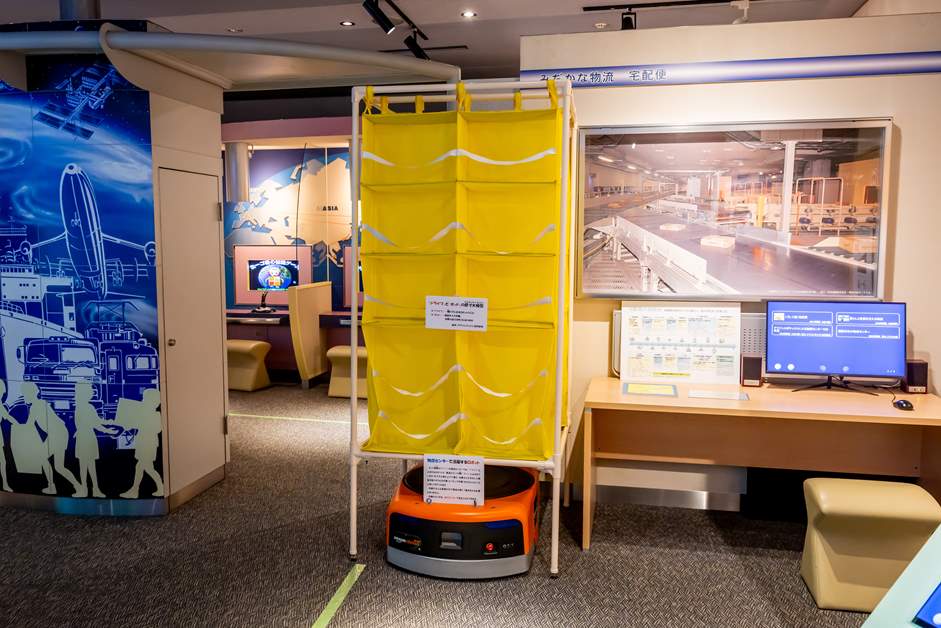
In the “Modern Logistics” exhibition room, you can watch video interviews with people working in the logistics industry, as well as rare archival footage.
Transform into an Edo-period messenger in the video exhibition room!
In the video exhibition room on the second floor, videos related to logistics are shown during events and other occasions. For group tours, visitors watch the video in this room before touring the rest of the facility.
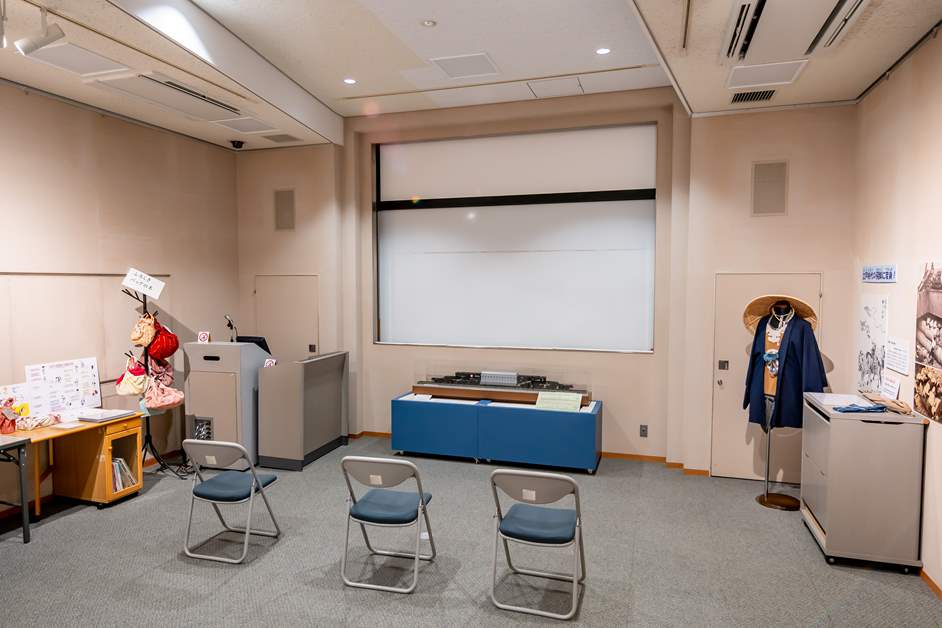
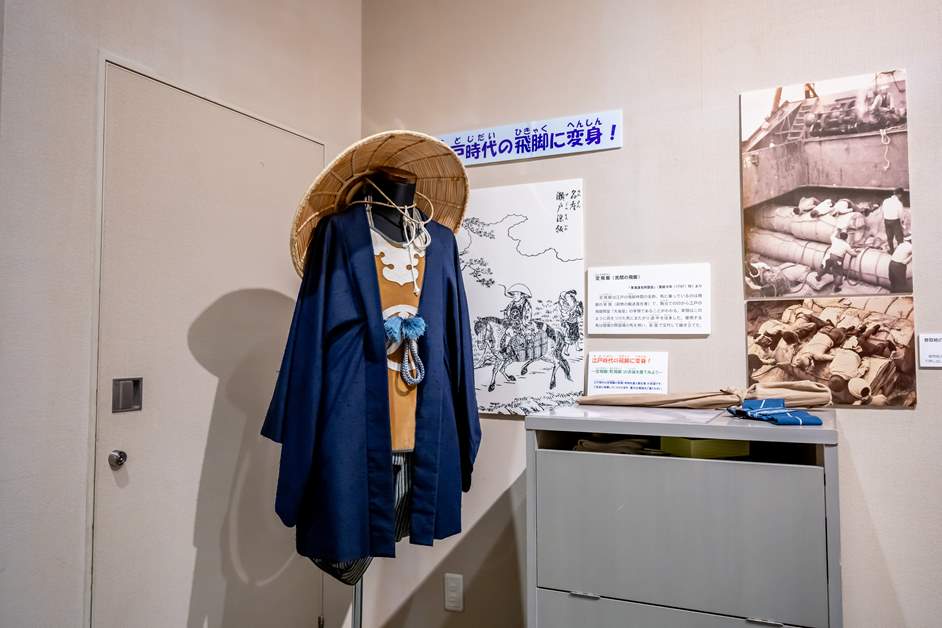
In one corner of the video exhibition room, there was also a section where visitors could dress up as an Edo-period “machi-hishaku” (town messenger). The costumes on display recreate those worn by the “sairyō,” the officials responsible for transporting goods.
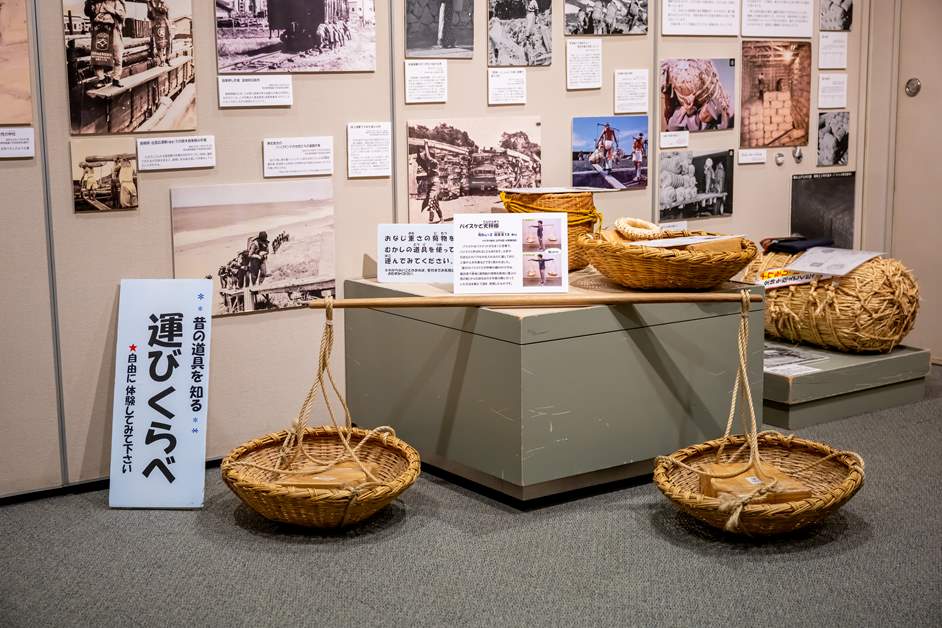
A "Paisuke"—a basket and carrying pole (in the foreground)—used to transport sand and coal. This is a replica of the equipment used in tasks such as unloading coal from ships at the port. You can try carrying a load weighing 13.6 kg in total, including the Paisuke and the carrying pole. Keeping my balance was surprisingly difficult.
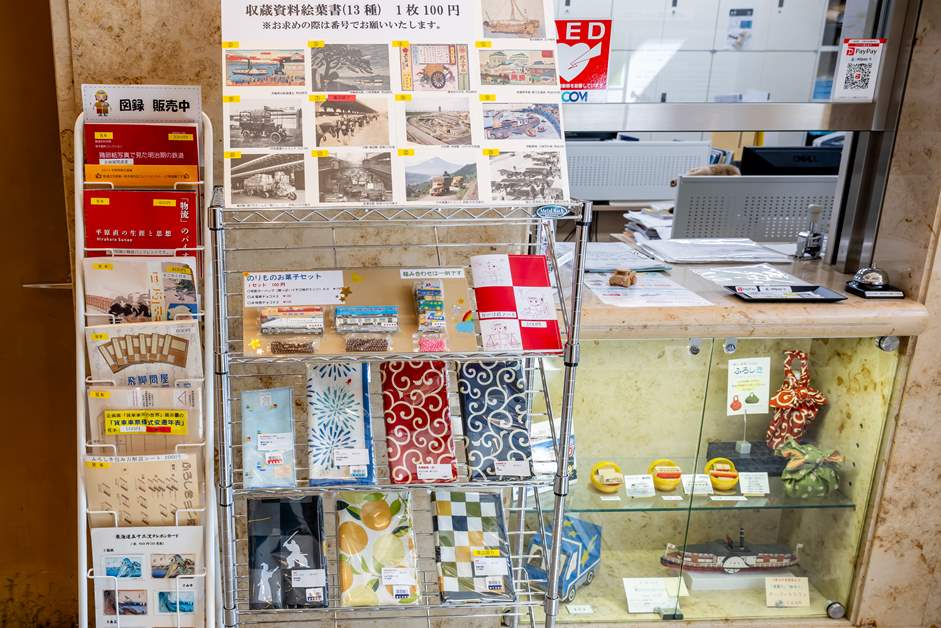
In front of the reception desk on the first floor, you’ll find postcards featuring items from the collection, as well as souvenir sets of sweets and other items. They seem like the perfect mementos of your visit.
The Logistics Museum provides an easy-to-understand overview of logistics across various eras—from the activities of Edo-period couriers to the development of railroads and trucks in the Meiji era and beyond, the evolution of transportation methods that supported Japan’s period of rapid economic growth, and today’s cutting-edge logistics systems. I not only learned about the process by which goods are transported but also gained insight into how society and the economy have been supported and developed by logistics. In recent years, there have been issues such as the so-called “2024 Logistics Problem,” stemming from regulations limiting overtime hours for truck drivers; however, Ms. Komidori, a curator at the museum, emphasizes the importance of raising public awareness about logistics itself. “In the past, the term ‘logistics’ wasn’t widely used. In fact, nearly 30 years ago, when we were planning this Logistics Museum, some people reportedly said, ‘With a name like “Logistics Museum,” it’s hard to tell what kind of museum it is.’ Compared to the past, the term ‘logistics’ is now accepted without any sense of違和感. I hope we can continue to provide a space that encourages people to think about logistics,” says Ms. Komidori. The museum is planning craft events for children during summer vacation and a concert by the JR Freight Music Club in September. Whether you’re interested in logistics or not, why not visit the Logistics Museum and experience its history and depth for yourself?
《Logistics Museum》
Address: 4-7-15
Takanawa, Minato-ku, Tokyo Hours: 10:00 a.m. – 5:00 p.m. (Last admission at 4:30 p.m.)
Closed: Every Monday and the fourth Tuesday of each month (unless these days fall on a national holiday or a substitute holiday, in which case the museum will be closed the following day); the day after a national holiday; year-end and New Year’s holidays; and during exhibition changes and collection reorganization periods
Admission: General adults (high school students and older) 200 yen,100 yen for those 65 and older, free for junior high school students and younger / Groups (20 or more paying visitors): 100 yen for adults (high school students and older), 50 yen
for those 65 and older
*Please check the official website below for details.
https://www.lmuse.or.jp/